
PM Modi Engages in High-Level Talks with Iran's President Amid Regional Diplomatic Changes
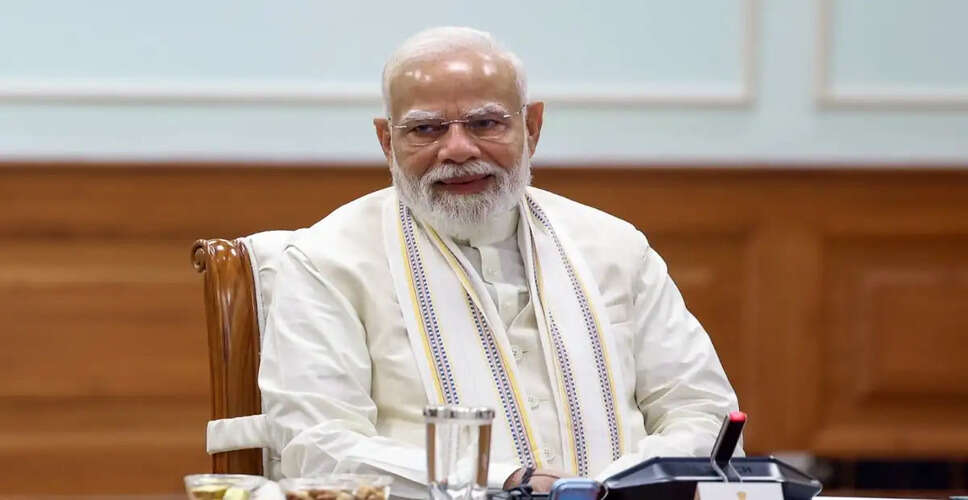

Diplomatic Engagement with Iran
In light of ongoing diplomatic shifts in West Asia, Prime Minister Narendra Modi held a significant phone conversation on Tuesday with Dr. Masoud Pezeshkian, the President of Iran. The discussion focused on recent developments in the region, peace initiatives, and future pathways. According to a statement from the Prime Minister's Office (PMO), Modi expressed his approval of the recent agreement between Iran and the United States. He reiterated India's long-standing position that any disputes or issues should be resolved through dialogue and diplomacy.
The PMO's statement highlighted that Modi welcomed the agreement and reaffirmed India's stance on resolving all matters through diplomatic discussions.
Modi emphasized the necessity of continuous efforts to ensure lasting peace and stability in the region, as well as to safeguard freedom of navigation and trade. During the call, President Pezeshkian updated Modi on recent events in West Asia and the way forward.
Modi shared on social media, stating, "I spoke with Iran's President Dr. Masoud Pezeshkian regarding recent events in West Asia. I welcomed the progress made and expressed hope that ongoing efforts will lead to lasting peace in the region. I reiterated the importance of freedom of navigation in the Hormuz Strait for both India and the world."
Invitation to Attend Funeral Ceremony
Previously, Pezeshkian had invited Modi to attend the funeral ceremony of Iran's late Supreme Leader Ayatollah Ali Khamenei, which is scheduled for next week. Reports indicate that the Indian government plans to send Bihar Governor Ata Hasnain and Minister of State for External Affairs Pavit Margerita as representatives. The funeral rites are set to take place from July 5 to July 9.
Recent Peace Agreement
On June 18, the United States and Iran signed a Memorandum of Understanding (MoU) to advance talks aimed at restoring peace in West Asia and addressing regional security and other contentious issues. Several mediators, including Pakistan and Qatar, played crucial roles in this peace process. These nations had previously facilitated a two-week ceasefire agreement on April 8, which was later extended until negotiations were completed.
Following the peace agreement, the Hormuz Strait was reopened. Under normal circumstances, this narrow maritime route accounts for nearly one-fifth of the world's total energy supply. The movement of vessels through this strait had been severely disrupted due to a joint attack by the United States and Israel on Iran on February 28, leading to an energy crisis in several countries.