
PM Modi Condemns Attacks on UAE Amid Escalating Tensions in West Asia
Prime Minister Modi's Strong Stance on UAE Attacks
In light of the deteriorating security situation in West Asia, Prime Minister Narendra Modi engaged in discussions with UAE President Sheikh Mohammed bin Zayed Al Nahyan on Sunday, expressing strong condemnation of the recent attacks on the UAE. This conversation marked the first interaction between the Prime Minister and a leader from the Gulf region following the commencement of military actions against Iran by the United States and Israel. During the dialogue, Modi emphasized that the attacks on the UAE are unacceptable, reaffirming India's solidarity with the UAE during these challenging times. He also extended condolences to the families of the victims and expressed gratitude towards the President for ensuring the safety of the Indian community residing in the UAE.
Iran's Response to Military Actions
Following the death of Iran's Supreme Leader Ali Khamenei due to a joint military operation by the US and Israel, Iran retaliated by launching hundreds of missiles towards the UAE. While the Prime Minister refrained from directly naming Iran, he clearly denounced the attacks on the UAE. Additionally, during a bilateral meeting with the Prime Minister of Canada, both leaders discussed the situation in West Asia. Earlier, Modi also spoke with Israeli Prime Minister Benjamin Netanyahu regarding the safety of Indians living in Israel.
Engagement with Gulf Cooperation Council
Meanwhile, External Affairs Minister S. Jaishankar reached out to his counterparts in all member countries of the Gulf Cooperation Council, including Kuwait, Bahrain, UAE, Qatar, Saudi Arabia, and Oman. He shared India's concerns regarding the rapidly worsening security situation in the region and discussed the safety and well-being of Indian nationals living there.
Cabinet Committee on Security Meeting
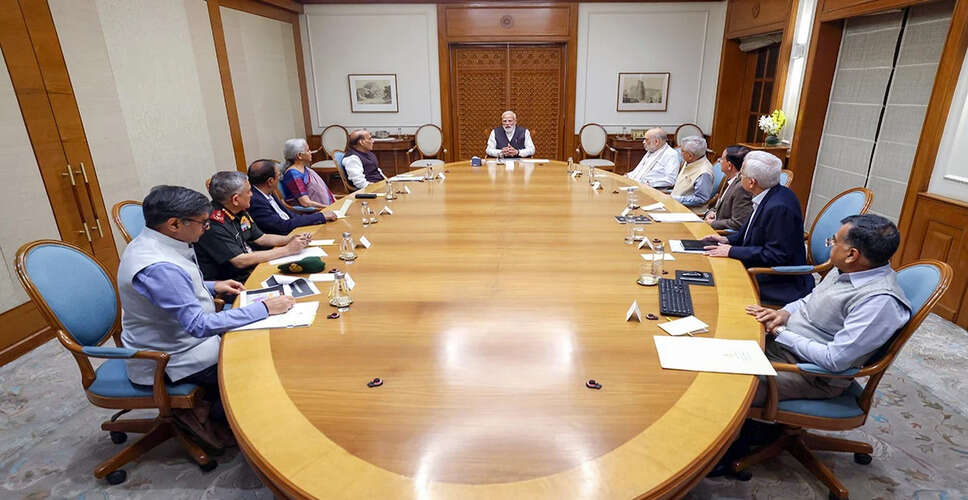
Upon returning to Delhi late Sunday night, the Prime Minister chaired a meeting of the Cabinet Committee on Security (CCS), which is the highest decision-making body for national security and defense matters. The meeting focused on the current situation in West Asia, India's strategic interests, and the safety of Indian citizens.
Advisories for Indian Nationals
Due to the closure of airspace and the perceived insecurity of road routes in the region, the Indian government has advised its citizens in Iran and other affected areas to exercise extreme caution and adhere to local security directives. According to government sources, executing any potential evacuation operation would be highly complex, given that approximately ten million Indian nationals are spread across the Gulf region.
Injuries Reported Among Indian Nationals
India remains hopeful that airstrikes will decrease in the coming days, although the frequency of attacks has surged following Khamenei's death. The Indian embassy in the UAE confirmed that one Indian national was injured in the Iranian attacks but is currently in stable condition and receiving necessary medical assistance.
Iran's Call for Global Condemnation
On the other hand, the Iranian embassy in India has urged governments worldwide that support freedom to condemn Khamenei's assassination and to raise their voices against the alleged chaos and aggression. However, India has yet to express condolences regarding Khamenei's death. Russia and China are among the few countries that have condemned the incident or expressed sympathy.
India's Diplomatic Balancing Act
The current crisis presents India with the challenge of maintaining diplomatic balance. While India has close ties with the US and Israel, it also has longstanding and strategic relationships with Iran. This balance is reflected in India's statement urging all nations to exercise restraint and respect sovereignty and territorial integrity.
Future Priorities for India
Experts believe that in the coming days, India's priorities will include restoring peace in the region, ensuring the continuity of energy supplies, and safeguarding the Indian community. The ongoing tensions in the Gulf could impact global oil markets, trade, and the livelihoods of Indian expatriates. Consequently, New Delhi is closely monitoring developments and is prepared to act according to the evolving situation.