
Planet Labs Halts Satellite Imagery of Iran Amid Rising Tensions
Planet Labs Suspends Imagery Services
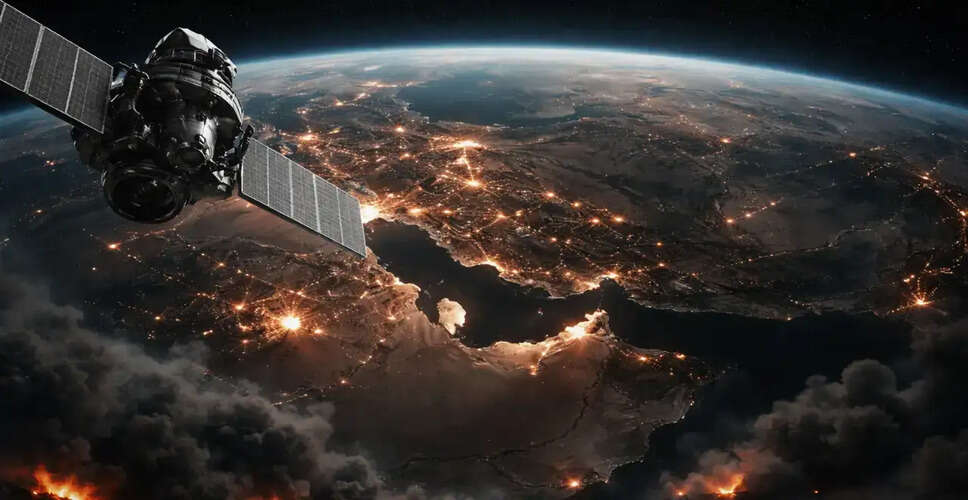
The satellite imaging firm Planet Labs, based in the United States, has declared that it will indefinitely refrain from providing images of Iran and nearby conflict areas. This decision follows a request from the US government, as reported by Reuters. The California-based company has notified its clients that Washington has instructed all commercial satellite imagery providers to cease sharing visuals from the region due to escalating tensions. This directive effectively imposes a blackout on a vital source of real-time intelligence for analysts, media, and the public.
Planet Labs indicated that this action builds upon a previous restriction implemented last month, which involved a 14-day delay on imagery from the Middle East. This earlier measure aimed to prevent adversaries from leveraging real-time data for military purposes. The company now states it will withhold images dating back to March 9 and will maintain this blackout indefinitely or until the conflict concludes.
Importance of Satellite Technology in Warfare
Planet Labs operates a significant fleet of Earth-imaging satellites, providing regularly updated images to governments, corporations, and media outlets. In its communication to clients, the firm announced a shift to a "managed distribution of images" that are considered safe for release, as reported by Reuters. Under this new protocol, Planet Labs will evaluate and release imagery on a case-by-case basis for urgent, mission-critical needs or matters of public interest. "These are extraordinary circumstances, and we are doing all we can to balance the needs of all our stakeholders," the company stated.
Military applications of satellite technology encompass target identification, weapon guidance, missile tracking, and communications. Some experts in the field suggest that Iran may be utilizing commercial imagery, including that sourced from US adversaries. Satellite images also serve as crucial tools for journalists and researchers studying inaccessible regions.
Another commercial provider, Vantor, previously known as Maxar Technologies, informed Reuters that it has not yet been contacted by the US government. Vantor has long maintained the right to "implement enhanced access controls during times of geopolitical conflict" and has currently applied such measures in certain parts of the Middle East, according to a company spokesperson. These controls may include restrictions on who can request new images or purchase existing ones from regions where US military forces and allies are "actively operating," as well as areas "actively targeted by adversaries," the spokesperson added.
This decision comes amid a rapidly escalating conflict that began on February 28, when US and Israeli forces initiated strikes against Iran. In response, Tehran has launched attacks targeting Israeli and US military installations throughout the Gulf, including locations in Saudi Arabia, Kuwait, and Bahrain.