
Pentagon's New Initiative to Boost Military Drone Capabilities
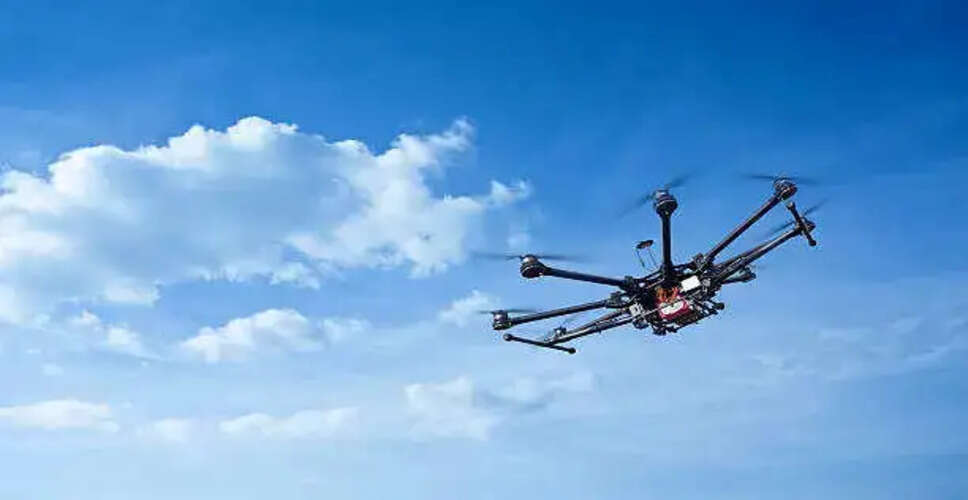

Expanding Drone Warfare Capabilities
The Pentagon is focusing on a fresh wave of drone manufacturers, including former hobbyists, drone racing enthusiasts, and emerging tech startups, as it aims to enhance the United States' military drone capabilities. This initiative, termed "Drone Dominance," is a response to insights gained from recent conflicts in Ukraine and the Middle East. The Department of Defense is looking to swiftly procure hundreds of thousands of affordable attack drones, which military strategists believe will be vital in future combat scenarios. This effort is part of a larger strategy outlined in the previous administration's defense budget proposal, which allocates over $54 billion for advancing drone warfare technologies.
At the heart of this initiative are unconventional defense contractors, many of whom have transitioned from fields like drone racing, aerial entertainment, and agricultural tech to focus on military applications. The Pentagon has initiated an 18-month competition to pinpoint the most capable manufacturers, with successful candidates vying for a portion of $1.1 billion in contracts aimed at supplying around 300,000 small attack drones to U.S. forces.
Defense officials highlight that recent conflicts have reshaped views on drone warfare. Ukrainian forces have effectively utilized low-cost first-person-view drones to target tanks, armored vehicles, and troop positions, while Iranian-backed groups have shown how inexpensive unmanned aircraft can pose threats to military assets and commercial shipping routes.
In contrast to traditional military aircraft, which can cost millions, many drones being evaluated in this program are priced around $5,000 each. This affordability allows them to be treated as disposable assets on the battlefield, enabling military units to deploy them en masse.
Among the frontrunners is Neros, a California-based startup founded by former drone racing champion Soren Monroe-Anderson. Neros has already begun collaborating with the U.S. Army and Marine Corps and is ramping up production to meet the increasing military demand. Another significant competitor is Skycutter, a British firm partnering with a Ukrainian manufacturer whose drone designs have been tested in real combat situations.
The Pentagon's assessment process includes a series of rigorous field exercises known as the "Drone Dominance Gauntlets." During these evaluations, military personnel assess drone systems in realistic combat scenarios, including long-range precision strikes and assaults on concealed targets. The aim is not only to identify effective drone designs but also to find companies capable of scaling production swiftly to meet future military needs.
This initiative signifies a broader transformation in defense procurement, with Pentagon leaders increasingly seeking innovative solutions from the private sector rather than relying solely on traditional defense contractors. However, some defense analysts warn against overestimating the role of drones in future conflicts. While drone warfare has shown remarkable effectiveness in Ukraine's trench-heavy environment, experts point out that U.S. forces often operate under different conditions that may necessitate a diverse array of technologies.
Despite these reservations, Pentagon officials are confident that drones will play a pivotal role in future warfare. As global tensions escalate and military technology advances, the competition to develop the next generation of combat drones is becoming one of the most scrutinized areas within the defense sector.