
Parliament's Special Session Sparks Heated Debate Over Key Legislative Changes
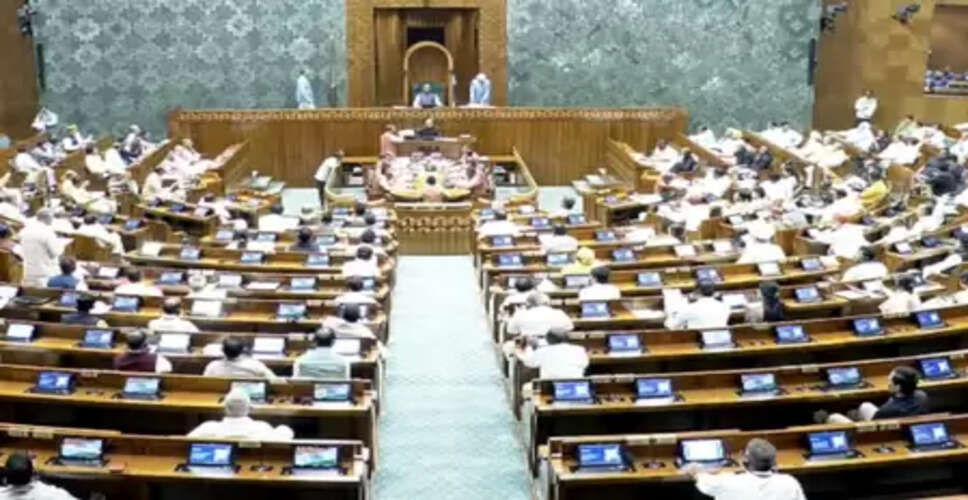

Intense Discussions Mark Parliament's Special Sitting
New Delhi: The Parliament commenced a three-day special session today, igniting a fierce debate over three significant legislative proposals. The Lok Sabha was filled with tension as members from both the Opposition and the ruling party exchanged heated remarks regarding the proposed amendments.
Law Minister Arjun Ram Meghwal presented the Constitution (One Hundred and Thirty-First Amendment) Bill alongside the Delimitation Bill 2026, while Home Minister Amit Shah introduced the Union Territories Laws (Amendment) Bill, 2026.
Congress MP K.C. Venugopal expressed strong disapproval of the bills, alleging that they aim to manipulate the constitutional framework for ulterior motives.
In response, the Lok Sabha Speaker urged members to save their arguments for Rule 72 and promised the Opposition sufficient time to voice their concerns during the comprehensive debate.
Home Minister Shah countered Venugopal's accusations, emphasizing that this was the appropriate moment to raise technical objections rather than questioning the bills' merits.
The Samajwadi Party vehemently opposed the bills on constitutional grounds, arguing that they threaten the federal structure and undermine parliamentary democracy.
SP MP Dharmendra Yadav called for the withdrawal of the proposed amendments and insisted on the immediate implementation of the women’s reservation bill, which was passed in 2023.
Yadav's remarks led to controversy, as Parliamentary Affairs Minister Kiren Rijiju strongly opposed his call for a special quota for Muslim women, labeling it unnecessary and urging him to avoid introducing communal elements into the discussion.
AIMIM leader Asaduddin Owaisi also criticized the bills, asserting that they contradict the principles of federalism and the Constitution.
The government and the Opposition have been at odds over the women's reservation and delimitation bills, with the former aiming to implement the women's quota in the 2029 Lok Sabha elections, while the latter is perceived as a covert attempt to push delimitation under the guise of women's reservation.