
Parliamentary Debate on Foreign Contribution Bill Faces Stalemate
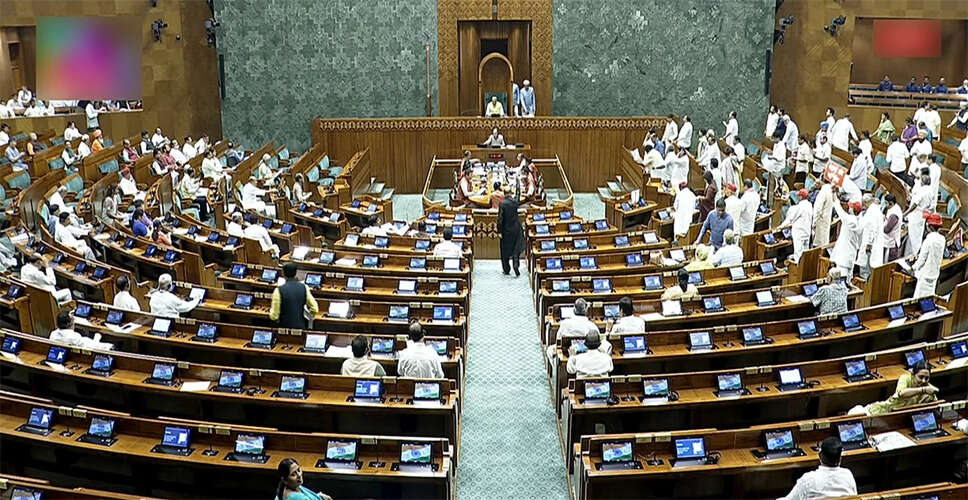

Stalemate Over Foreign Contribution Bill
According to government sources, the introduction of the 'Foreign Contribution (Regulation) Amendment Bill, 2026' in Parliament on Thursday appears unlikely due to a lack of consensus between the ruling party and the opposition. The opposition is firmly insisting that Union Home Minister Amit Shah address the Lok Sabha regarding the actions taken against NEET protesters in Delhi. Sources indicate that the government prefers to present the bill in the Lok Sabha only when all facts are laid out and a proper debate can occur. The aim is to pass the bill with cooperation rather than amidst chaos and protests.
Government Seeks Opposition Cooperation
On Wednesday, Union Parliamentary Affairs Minister Kiren Rijiju reached out to the Leader of the Opposition, Rahul Gandhi, seeking support for a smooth conduct of the ongoing Monsoon session, which concludes on August 13. This marked the second meeting between Rijiju and Gandhi in the past ten days. However, Gandhi did not provide any assurances. Congress leaders have labeled the bill as 'draconian' and have stated their intention to prevent its passage in its current form.
Understanding the FCRA Act
The FCRA Act outlines how Indian citizens, NGOs, trusts, associations, and companies can receive and utilize funds, securities, or goods sent from abroad. It restricts certain foreign-funded activities that could impact India's sovereignty, security, or public order. The government has proposed establishing a designated authority to safeguard assets created from foreign funding in the event of registration termination or cancellation. The newly notified FCRA amendment rules link registration to specific purposes and approved states/UTs, while excluding religious conversion from sanctioned religious activities.
Concerns Over Proposed Amendments
Opposition leaders argue that the proposed amendments could enhance government powers at the expense of NGOs, potentially allowing the government to seize or dispose of their assets. They contend that this amendment could weaken NGOs and similar organizations, significantly affecting educational, charitable, and religious institutions reliant on foreign donations. Congress General Secretary K.C. Venugopal stated on Wednesday that it is unacceptable to think that the RSS can act freely while other NGOs cannot. We will strongly oppose this and ensure that such a harsh bill does not pass.
Stay Updated with National News
For the latest updates on national politics, events, and major news, follow National News in Hindi.