
Parliament to Discuss Controversial FCRA Amendment Bill on August 12
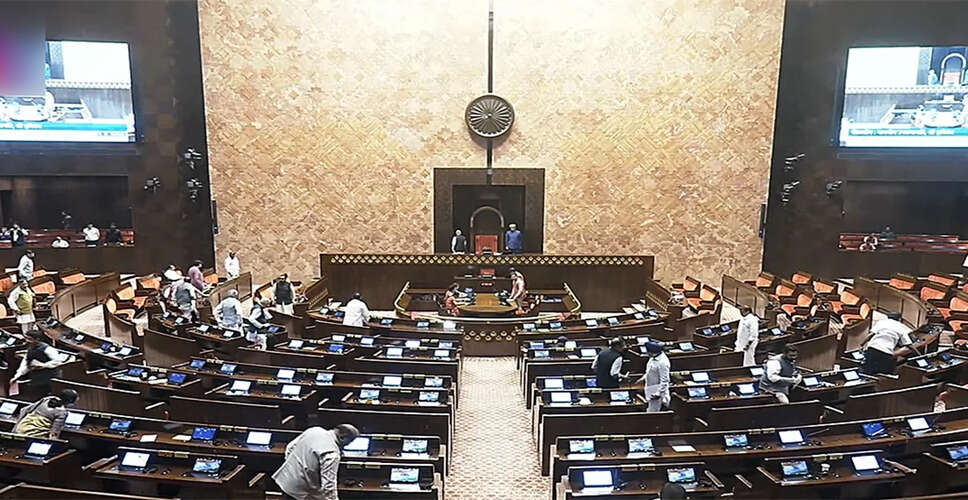

Upcoming Parliamentary Discussion on FCRA Amendment Bill
The contentious 'Foreign Contribution (Regulation) Amendment Bill, 2026' is set for discussion in Parliament on August 12. Meanwhile, the central government is actively engaging with the opposition to facilitate the passage of significant bills during the monsoon session and to resolve ongoing parliamentary deadlocks.
Mizoram's Chief Minister, Lalduhoma, stated after a meeting with Union Home Minister Amit Shah that the bill would not be applied retroactively. The government is working to ensure smooth proceedings in Parliament for crucial discussions during the monsoon session.
Concerns Raised by Mizoram Church Leaders
Lalduhoma met with a delegation of church leaders from Mizoram to express their concerns regarding the proposed legislation. The bill aims to enhance oversight of organizations receiving foreign funding, establishing a powerful authority to control the assets of NGOs whose FCRA licenses are revoked.
Speaking to reporters in the Parliament complex, Lalduhoma said, "We conveyed our concerns about the new FCRA bill to the Home Minister, who assured us that it would not be implemented retroactively." When asked about the timeline for the law, he mentioned that Shah informed the delegation that discussions would take place on August 12. The bill was introduced in the Lok Sabha on March 25.
Memorandum Submitted to Home Minister
In a memorandum submitted to the Home Minister, Lalduhoma, along with John Raldosanga, Chairman of the Mizoram Kohhran Hruaitu Committee (MKHC), and Lalhamangaiha, General Secretary of the Council of Churches in Mizoram (CCM), urged that the law should only apply to future cases.
They argued that retroactive implementation could lead to legal uncertainties and impose penalties on well-functioning organizations for past procedural errors. MKHC and CCM represent major church communities in Mizoram.
Overview of the FCRA Amendment Bill
The purpose of this bill is to create a comprehensive framework for monitoring, managing, and disposing of foreign contributions and assets through a designated authority.
Under the proposed law, if an organization's FCRA registration is revoked, surrendered, or terminated, its foreign contributions and assets created from such funds will come under the authority's control from the date of revocation. If an organization fails to obtain new registration or restore its license within the stipulated time, the foreign funds and assets will be permanently transferred to the designated authority.
Government's Efforts to Resolve Parliamentary Deadlock
As part of efforts to end the parliamentary deadlock, Parliamentary Affairs Minister Kiren Rijiju has reached out to opposition leader Rahul Gandhi regarding support for the proposed Women's Reservation and Delimitation Bill.
Sources indicate that Rijiju spoke with Gandhi over the phone on Thursday, marking the second such conversation in recent days, and has met with him twice in the past ten days to discuss the smooth functioning of Parliament.
Continued Dialogue with Opposition
Rijiju stated, "I had a productive conversation with Rahul Gandhi. I made specific requests on certain issues and discussed other matters as well. We hope to work collaboratively with Congress and other opposition parties through ongoing dialogue and coordination." According to sources, Gandhi reiterated the Congress's demand for an all-party meeting before offering support for the proposed law. However, Rijiju did not commit to convening such a meeting.
The government is striving to build consensus on the proposed constitutional amendment, which aims to implement 33 percent reservation for women in assemblies and Parliament before the 2029 general elections.
Political Cooperation for National Interest
Rijiju emphasized that political differences should not hinder cooperation in the national interest. He remarked, "We may be political opponents, but we are not enemies. Therefore, we should work together for the national interest. However, there is a perception that they are adamant about not allowing Parliament to function at all; ultimately, who suffers from this?"
Response to Opposition's Demands
In response to the opposition's demand for Home Minister Amit Shah's presence in the House, Rijiju noted that the Home Minister regularly attends Parliament and is present whenever discussions occur on laws he has introduced.
Consultations on Constitutional Amendment Bill
The government is also consulting with NDA allies and other opposition parties, including the Samajwadi Party and DMK, regarding the possibility of reintroducing the Constitution (131st Amendment) Bill. The proposed law aims to increase the number of Lok Sabha seats from 543 to 816 based on the 2011 census, paving the way for the implementation of women's reservation before the 2029 general elections.