
Pakistan's PM Claims US-Iran Peace Agreement is Imminent
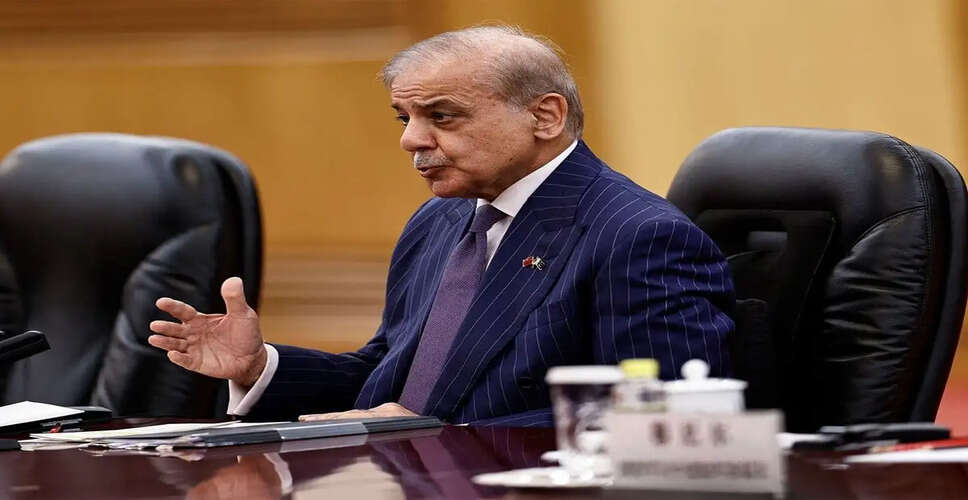

Pakistan's Prime Minister Discusses Upcoming US-Iran Peace Deal
On Saturday, Prime Minister Shahbaz Sharif of Pakistan asserted that a peace agreement between the United States and Iran is closer than ever, with expectations for its finalization within the next 24 hours. He expressed optimism about the imminent conclusion of the deal, which would be followed by technical discussions. In a post on social media, Sharif stated, "We are nearer to the peace agreement than before. We anticipate its finalization in the next 24 hours, and Pakistan is preparing to electronically sign the peace agreement immediately afterward, leading to technical discussions next week. We would like to thank the United States and the Islamic Republic of Iran for their commitment during the negotiations, and we sincerely appreciate the support from our regional brothers. We are confident that this historic peace agreement will lay a strong foundation for lasting peace."
Foreign Minister's Engagement with Swiss Counterpart
In related developments, Pakistan's Foreign Minister Ishaq Dar also engaged in discussions with Swiss Foreign Minister Ignazio Cassis, who expressed hope regarding the signing of a memorandum of understanding (MoU) between the US and Iran. The Pakistani Foreign Ministry shared on social media that DPM/FM Senator Mohammad Ishaq Dar spoke with Cassis, welcoming the encouraging progress towards an agreement between the US and Iran. He expressed optimism that ongoing efforts would soon contribute to peace and stability in the region. Both parties agreed to maintain continuous communication.
US Official Comments on Proposed Agreement
Meanwhile, a senior official from the Trump administration stated on Friday that under the proposed agreement, Iran has committed to never developing or acquiring nuclear weapons, while any easing of sanctions would be tied to strict verification and inspection measures. Discussing the negotiations, the official noted that the agreement has the backing of regional partners, including Israel and Gulf nations.