
Pakistan's PM Acknowledges Indian Missile Strikes on Nur Khan Airbase
Pakistan's Admission of Indian Strikes
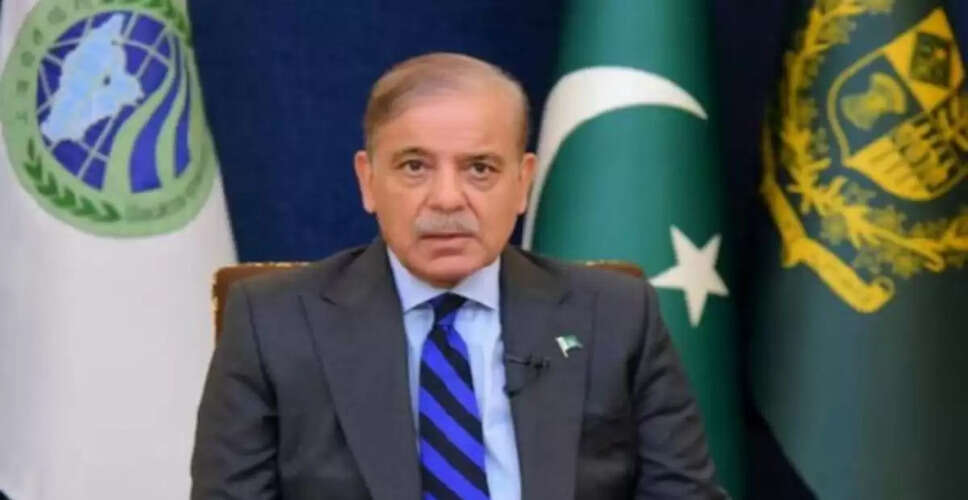
In a significant departure from previous denials, Pakistani Prime Minister Shehbaz Sharif has confirmed that India's ballistic missiles targeted Nur Khan Airbase and other critical infrastructures on May 10. This acknowledgment represents a notable change in Islamabad's typical response to Indian military actions. During a public event in Islamabad on Friday, Sharif revealed that he received a call from Army Chief General Asim Munir at approximately 2:30 AM regarding the strikes.
Sharif stated that the Pakistani Air Force utilized domestic technology and Chinese aircraft to retaliate against the attack, while also affirming that Indian missiles successfully struck vital locations, including Nur Khan Airbase. Following Sharif's remarks, BJP leader Amit Malviya highlighted the significance of the Pakistani PM's admission, noting, "Let that sink in — the Prime Minister was woken up in the middle of the night with news of strikes deep inside Pakistan. This speaks volumes about the scale, precision, and boldness of Operation Sindoor."
Details of Operation Sindoor
Operation Sindoor was initiated in response to the deadly Pahalgam attack on April 22, which resulted in the deaths of 26 civilians. Indian forces successfully targeted nine significant terrorist infrastructures within Pakistan and Pakistan-occupied Jammu and Kashmir, leading to the elimination of over 100 terrorists linked to groups such as Jaish-e-Mohammed, Lashkar-e-Taiba, and Hizbul Mujahideen.
In retaliation, Pakistan commenced heavy shelling across the Line of Control and in Jammu and Kashmir, alongside drone strikes in border areas. India effectively intercepted these Pakistani drones and executed a coordinated counterattack, destroying radar systems, communication centers, and airfields. Subsequently, an agreement to halt hostilities was established between India and Pakistan on May 10, 2025.