
Pakistan's New Strategy: Preparing for Civil War in Afghanistan from Balochistan
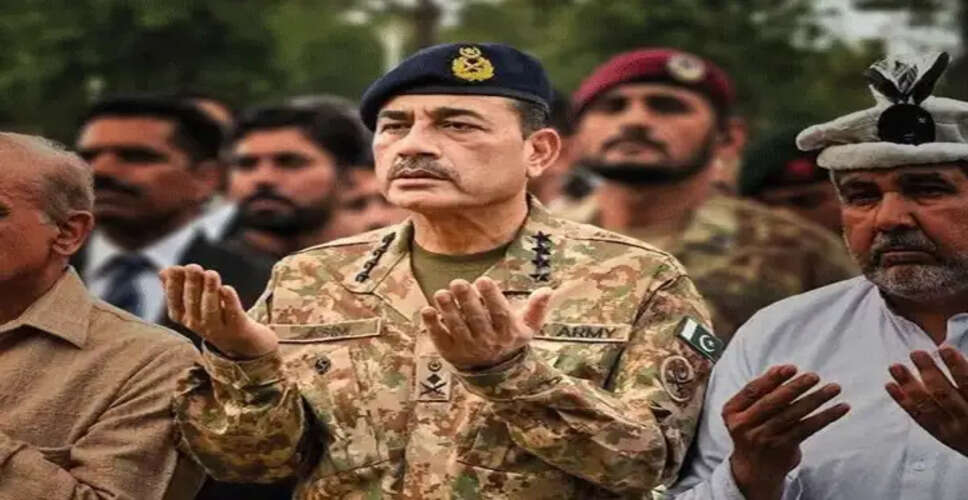

Pakistan's Military Strategy Against the Taliban
After facing setbacks in direct confrontations with the Taliban, the Pakistani military has adopted a new and perilous strategy. General Asim Munir, the Chief of Army Staff, has initiated covert training of fighters in Balochistan to create conditions akin to a civil war against the Taliban government in Afghanistan. This initiative involves uniting former Afghan soldiers and local extremists to equip them with the skills necessary to combat the Taliban.
According to recent media reports, Pakistan has established a specialized training camp in Dalbandin, Balochistan, aimed at spreading instability within Afghanistan and encircling the Taliban. There are concerns that similar camps may soon be set up in Kuchlak and Quetta. To entice these fighters, who are struggling economically, the Pakistani military is offering salaries ranging from 15,000 to 20,000 rupees per month, hoping to motivate them to engage in combat against the Taliban for financial gain.
This kind of interference by Pakistan is not unprecedented. Historical evidence shows that during the Cold War, Pakistan nurtured the Taliban and extremists with U.S. funding to fight against the Soviet Union. However, changing circumstances over time have severely strained relations between the two nations. Following the withdrawal of U.S. troops and the Taliban's return to power, Pakistan anticipated exerting influence over Afghanistan, but the Taliban outright rejected Islamabad's interference.
Currently, tensions persist along the Durand Line between the two countries. The Afghan Taliban accuses Pakistan of plotting to destabilize their nation, while Pakistan claims that the Afghan Taliban harbors the Tehrik-i-Taliban Pakistan (TTP), causing unrest within its borders. Amidst these mutual accusations and drama, Pakistan's new scheme originating from Balochistan could potentially plunge the entire region into a significant civil war.