
Pakistan's Economic Struggles Amid Ongoing Iran Conflict
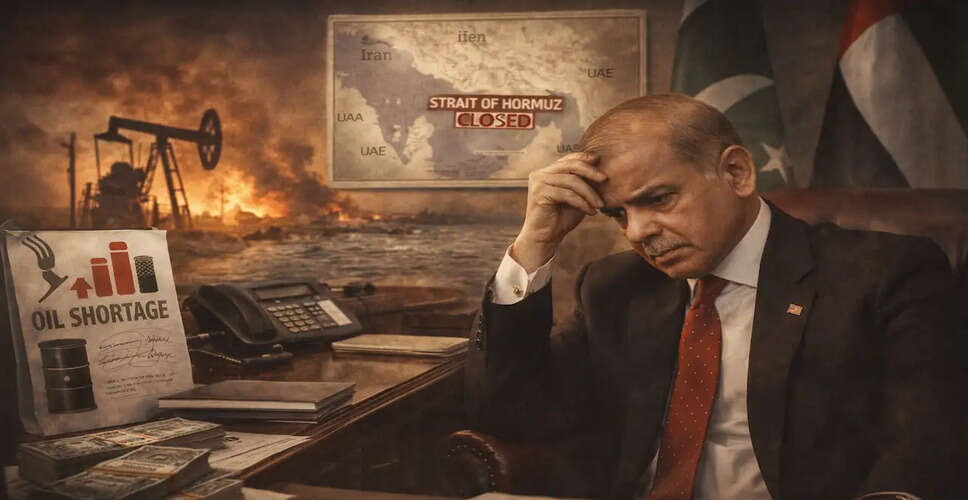
Escalation of the Iran Conflict
The conflict involving Iran has intensified, evolving into a broader confrontation in the Gulf and the Middle East, now entering its second month. The hostilities commenced on February 28, when the United States and Israel executed over 30 airstrikes, targeting Supreme Leader Ayatollah Ali Khamenei, along with several key aides and family members. These two nations have been systematically attacking Iran's energy infrastructure, military installations, missile production facilities, and both civil and suspected nuclear sites, causing significant damage to an already struggling economy.
In response, Iran has been retaliating aggressively, particularly against Gulf nations such as the United Arab Emirates (UAE), Saudi Arabia, Kuwait, Bahrain, and Qatar, as well as Israel, in an effort to exert pressure on the United States. Tehran has not only launched missiles but has also shut down the Strait of Hormuz, a vital energy trade route, halting global oil and gas trade. This closure has severely impacted many nations, with Pakistan being one of the hardest hit, despite not being directly involved in the conflict. The ongoing war shows no signs of de-escalation, leading to fears in Islamabad about the potential need to deploy troops to Saudi Arabia.
Pakistan's Economic Crisis Deepens
Iran Conflict - A War Pakistan Can’t Survive
Pakistan is grappling with numerous challenges, including an energy crisis that has disrupted oil and gas supplies, leading to inflation driven by energy shortages. The UAE's demand for loan repayments has compounded the economic strain, and there are growing concerns about sending troops to Saudi Arabia due to a mutual defense agreement. The fear of Iranian retaliation looms large, especially if Pakistan were to engage militarily. This precarious situation has prompted Islamabad to advocate for a ceasefire and offer to host peace talks, a move that has garnered some support but has been dismissed by Tehran.
Impact of the Strait of Hormuz Closure
Closure of Strait of Hormuz is becoming a survival question for Pakistan
The closure of the Strait of Hormuz, crucial for a significant portion of global energy trade, is severely affecting Pakistan's already fragile economy. The disruption in oil and gas supplies has led to soaring inflation, skyrocketing fuel prices, and a ripple effect on the affordability of essential goods. The government has been forced to ration fuel, implement partial work-from-home policies, and close educational institutions, leading to increased power disruptions and shortages of LPG gas, which are impacting local businesses.
Emergency Measures by the Government
Abu Dhabi Asks Pakistan To Repay Loan - A Worst Nightmare in Day Time
Recent reports indicate that Abu Dhabi has requested the immediate repayment of approximately USD 3 billion in loans extended to Pakistan in 2019. This demand comes at a time when Pakistan is under an International Monetary Fund program, requiring it to secure around USD 12.5 billion in rollovers from key partners to maintain its financial stability. The potential repayment could significantly deplete Pakistan's foreign reserves, exacerbating its economic vulnerabilities.
Concerns Over Military Involvement
Fear of Sending Troops To Saudi Arabia As Per The Defence Pact
Another significant concern for Pakistan is the possibility of deploying troops to Saudi Arabia under a Strategic Mutual Defence Agreement. This pact obligates Pakistan to support Saudi Arabia in the event of aggression, which complicates Islamabad's position as it faces internal challenges and ongoing conflicts with the Taliban. The pressure to engage militarily is pushing Pakistan to seek a peace deal, as its survival hangs in the balance.
Iran's Stance on Peace Talks
But Iran Is In No Mood For Talks, Says Not Interested in Visiting Pakistan
Despite Pakistan's efforts to facilitate a meeting for peace talks, Iran has expressed disinterest, citing trust issues and a commitment to continue fighting. Tehran's refusal to engage in negotiations has left Pakistan in a precarious position, as it seeks to navigate the complexities of the ongoing conflict while prioritizing its own survival.
Ongoing Tensions and Future Outlook
War Shows No Signs of De-escalation, Tuesday Will Be A Watch Day - Says Trump
The situation remains tense, with threats exchanged between the United States and Iran. The U.S. has issued ultimatums regarding the reopening of the Strait of Hormuz, while Iran has vowed to retaliate against any further aggression. As Pakistan observes these developments, it remains hopeful for a ceasefire that could alleviate its economic and security concerns.