
Pakistan Seeks Russian Support Following Operation Sindoor
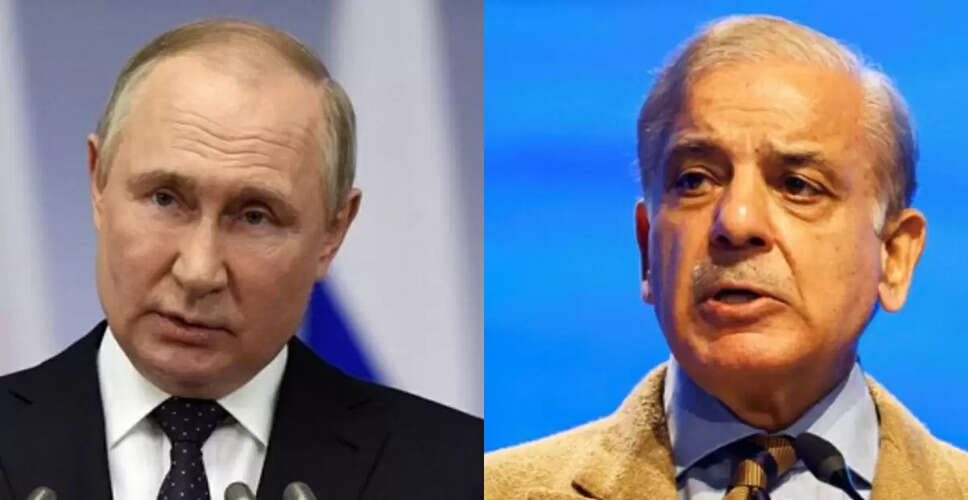
Pakistani Delegation Visits Moscow
Members of a Pakistani delegation have arrived in Moscow, carrying a letter from Prime Minister Shehbaz Sharif addressed to President Vladimir Putin. This initiative follows Pakistan's efforts to seek international backing after facing significant challenges during Operation Sindoor conducted by the Indian Armed Forces.
Tariq Fatemi Delivers the Letter
The delegation, led by Syed Tariq Fatemi, Special Assistant to the Prime Minister, presented the letter to Sergey Lavrov, the Russian Foreign Minister.
India's Recent Diplomatic Success
This development follows a visit by an Indian delegation, headed by DMK MP Kanimozhi, to Russia, where they effectively communicated India's position regarding Operation Sindoor and secured Russian support for India's firm stance against terrorism.
Pakistan's Strategic Shift Towards Russia
While the specifics of the letter remain undisclosed, it is evident that Pakistan is keen on strengthening its strategic ties with Russia in the aftermath of Operation Sindoor. Observers believe that India is closely watching these developments.
According to the Pakistani Embassy in Moscow, 'The special assistant handed over a letter addressed to President Vladimir Putin from Prime Minister Shehbaz Sharif,' as reported by Russia's state-run TASS news agency.
Criticism of Pakistan's Accusations
In a contrasting viewpoint, Dr. Amzad Ayub Mirza, a political analyst and human rights advocate from Pakistan-occupied Jammu and Kashmir, has dismissed the recent allegations made by Pakistani officials against India as 'baseless and misleading.'
He described these accusations as a classic case of psychological projection from a state historically linked to terrorism in the region.
Dr. Mirza's comments were made following remarks by Field Marshal Asim Munir and Prime Minister Shehbaz Sharif during their visit to Balochistan, where they accused India of fostering terrorism in Pakistan while speaking with tribal leaders in Quetta. He argued that such narratives are outdated and serve to distract from Pakistan's own history of supporting terrorism.