
Pakistan Raises High-Octane Fuel Prices Amid Rising Tensions in the Middle East
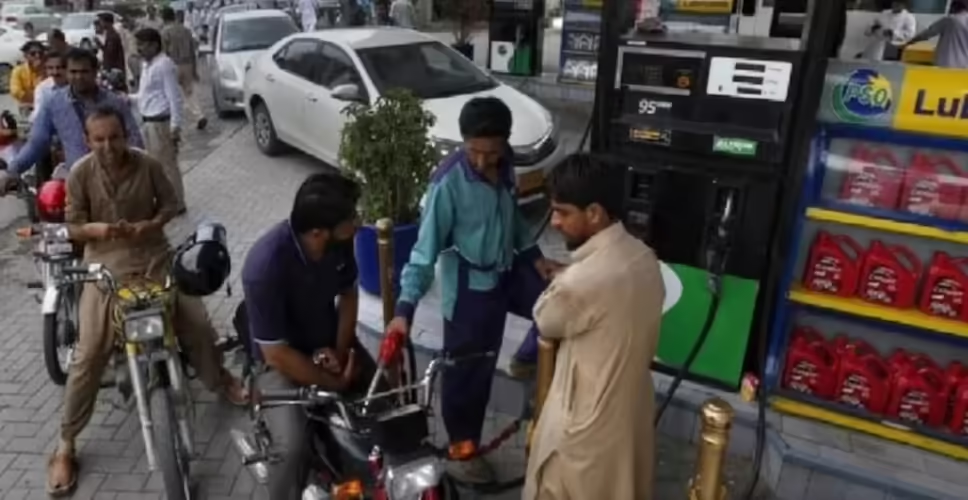
Significant Fuel Price Increase in Pakistan
In response to escalating tensions in the Middle East and potential threats to oil supplies in the Strait of Hormuz, the Pakistani government has made a substantial decision to increase the price of high-octane fuel. This change will particularly impact luxury vehicles, as this type of fuel is primarily used in high-end cars.
Details of the Price Hike
The government has raised the levy on high-octane (premium) fuel from 100 rupees per liter to 300 rupees per liter, marking a direct increase of 200 rupees per liter, which translates to an approximate 200% rise. This decision was made during a high-level meeting chaired by Prime Minister Shehbaz Sharif.
Government's Justification
Officials state that this measure aims to alleviate economic pressures and provide relief to the general public, as high-octane fuel is predominantly utilized in expensive and luxury vehicles.
Impact of the Hormuz Crisis
Ongoing tensions in the Middle East are affecting crude oil supply. Pakistan imports a significant portion of its oil from Gulf countries, which is transported through the Strait of Hormuz. Any threats to this route can lead to increased oil prices, directly impacting an import-dependent economy like Pakistan's.
Previous Price Increases
Earlier in March, petrol and diesel prices were raised by nearly 55 rupees per liter due to a rapid increase in global oil prices.
Effects on the General Public
- The government claims that this increase will not directly affect bus, train, or airfares.
- However, experts warn that rising oil prices are likely to lead to increased inflation.
- Pakistan is already grappling with economic challenges and inflation.
Conclusion
The crisis in Hormuz and global oil price hikes have placed additional strain on Pakistan's fragile economy. While the government has opted to raise the cost of fuel used in luxury vehicles to ease some burdens, the broader economic implications may become evident in the near future.