
Pakistan PM Issues Strong Warning Over Water Rights Amid Tensions with India
Pakistan's Firm Stance on Water Rights
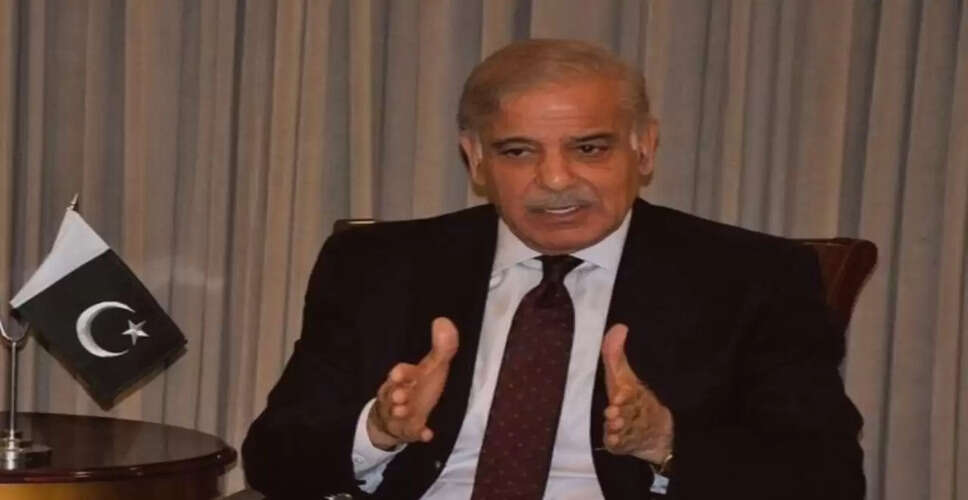
On Tuesday, Prime Minister Shahbaz Sharif of Pakistan issued a stern warning regarding the potential cessation of water flow into Pakistan, labeling it a breach of the Indus Water Treaty that would provoke a significant response.
Speaking at an event in Islamabad, he stated, "The enemy [India] cannot take even a single drop of water from our country."
Sharif further asserted, "If you threaten to halt our water supply, Pakistan will respond in a way that you will never forget."
He underscored the critical importance of water for Pakistan, emphasizing that the nation would not compromise on its rights as outlined in international agreements.
In light of the terrorist attack in Pahalgam in April, which resulted in 26 fatalities, India has decided to suspend the Indus Waters Treaty (IWT) until Pakistan unequivocally renounces its support for cross-border terrorism.
The IWT, established in 1960 after extensive negotiations facilitated by the World Bank, is regarded as one of the most effective international treaties, having survived numerous conflicts while providing a framework for irrigation and hydropower development for over fifty years. Former US President Dwight Eisenhower once referred to it as "one bright spot in a very depressing world picture."
Under the treaty, Pakistan is allocated the Western Rivers (Indus, Jhelum, Chenab), while India receives the Eastern Rivers (Ravi, Beas, Sutlej). Each country is permitted specific uses of the rivers designated to the other, with India entitled to 20% of the water from the Indus River System and Pakistan receiving the remaining 80%. The treaty has faced scrutiny for being overly favorable to Pakistan, particularly in light of its ongoing support for terrorism against India.