
Pakistan Implements Smart Lockdown-Style Energy Control Amid Fuel Crisis
Introduction to Energy Control Measures
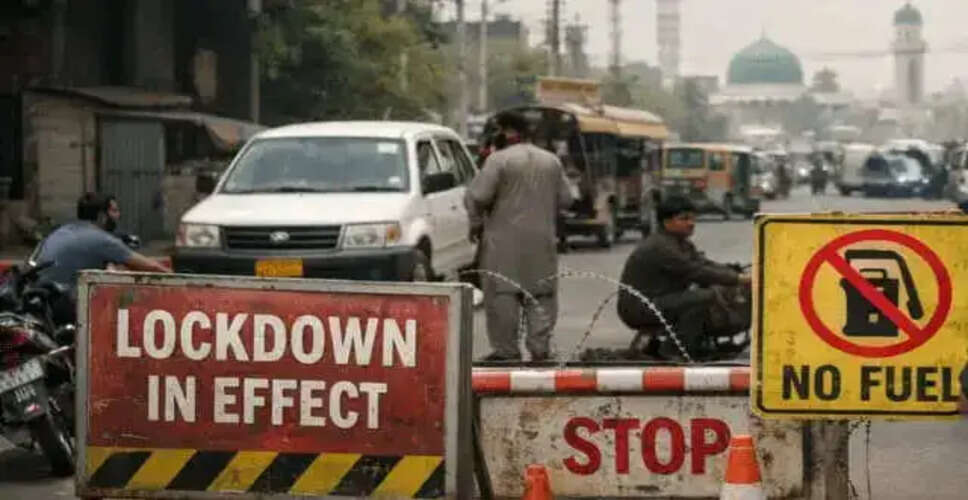
In response to escalating fuel prices, Pakistan has introduced a new energy management strategy described by officials as a “smart lockdown-style” plan. This initiative aims to limit business operations without enforcing a complete shutdown. The decision was made during a high-level meeting led by Prime Minister Shehbaz Sharif, as the nation faces increasing fuel shortages exacerbated by global oil supply disruptions linked to conflicts in the Middle East.
Understanding the 'Smart Lockdown'
The 'smart lockdown' is presented as a focused alternative to a total shutdown, targeting specific activities instead of halting entire cities. However, it highlights the severity of Pakistan's energy crisis, with authorities tightening regulations on:
- Business hours
- Late-night social events
- Electricity and fuel consumption
- Public usage patterns
While officials claim this approach allows daily life to persist, critics argue it reflects the government's reactive stance to deepening economic challenges.
New Operating Hours and Restrictions
The government has enacted nationwide restrictions on operating hours, significantly altering daily routines:
- Markets and shopping malls: Must close by 8 pm
- KP divisional headquarters markets: Open until 9 pm
- Restaurants and food outlets: Required to shut by 10 pm
- Marriage halls and weddings: Must conclude by 10 pm
- Private home events: Not allowed past 10 pm
These regulations took effect on April 7, 2026, with enforcement teams deployed to ensure adherence, underscoring the gravity of the situation.
Essential Services Remain Operational
Despite the restrictions, essential services continue to operate to maintain daily life. Services that will remain open include:
- Medical stores and pharmacies
- Emergency healthcare facilities
- Essential daily-use services
Authorities have assured that healthcare access will remain uninterrupted, even as other sectors face stricter limitations. Additionally, public transport in Gilgit and Muzaffarabad will be free for a month, with the government covering costs, reflecting the broader strain on citizens.
Sectors Facing Early Shutdowns
The impact of these restrictions is particularly felt in commercial and social venues during peak evening hours. The following sectors are subject to strict limitations:
- Shopping malls and retail markets
- Department stores
- Restaurants and cafes
- Wedding halls and marquees
- Private gatherings after 10 pm
Officials indicate that these measures aim to reduce nighttime electricity demand, which surges due to lighting and cooling requirements.
A Decision Driven by Crisis
This policy, officially announced on April 6 and implemented from April 7, follows extensive discussions with provincial governments and business representatives. Many regions had already trialed similar restrictions, highlighting the widespread nature of the energy crisis. Rising import costs and unstable fuel supplies have left Pakistan with few alternatives, compelling authorities to prioritize energy conservation over regular economic activities.