
Pakistan Allegedly Provides Covert Military Support to Iran Amid Rising Tensions with the US
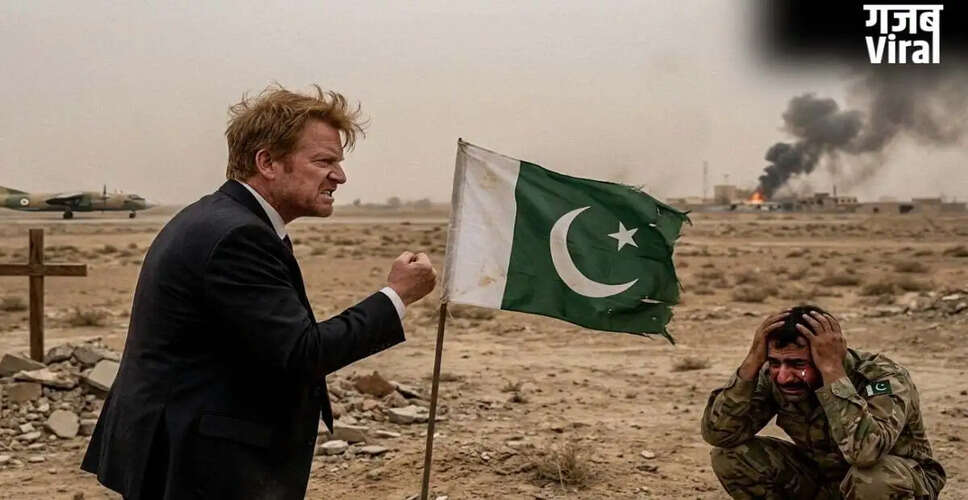

Pakistan's Secret Military Assistance to Iran
Recent media reports suggest that during escalating military tensions between Iran and the United States, Pakistan has secretly offered military support to Iran. According to a report from a news outlet, Pakistan has allowed Iranian military aircraft to take refuge at its Noor Khan Airbase to shield them from potential US strikes. This revelation has stirred significant concern in global politics, as Pakistan has been portraying itself as a mediator while facing accusations of playing a 'double game' with the US. US senators have reacted sharply, and given the tough stance of the Trump administration, there are speculations that if these claims are verified, Pakistan could face serious strategic and diplomatic repercussions.
Details of the Covert Operations
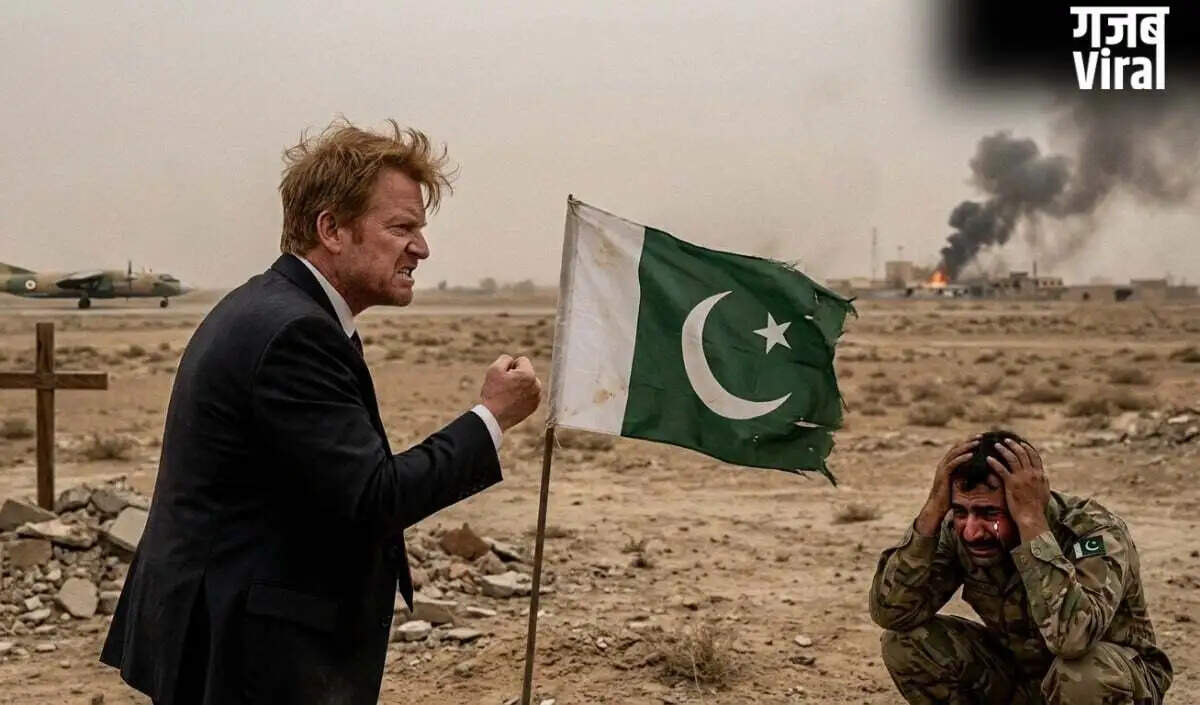
The news outlet reported that US officials claimed Pakistan permitted Iranian military aircraft to be securely parked at a major airbase to protect them from American attacks. This disclosure comes at a time when Pakistan has publicly positioned itself as a 'neutral mediator' between the two nations. Sources familiar with the matter indicated that shortly after President Donald Trump announced a ceasefire in early April, Iran dispatched several aircraft, including military assets, to the Noor Khan Air Force Base near Rawalpindi.
Among the aircraft reportedly stationed there was an RC130 reconnaissance plane from the Iranian Air Force, which is a surveillance variant of the Lockheed C130 Hercules transport aircraft.
Regional Tensions and Military Movements
Officials, speaking on condition of anonymity due to national security concerns, noted that this movement of aircraft appears aimed at safeguarding Iran's remaining aviation and military assets from possible US attacks amid rising regional tensions.
In response to the report, US Senator Lindsey Graham expressed on social media, 'If this reporting is accurate, it will necessitate a complete reassessment of Pakistan's role as a mediator between Iran, the US, and other parties.' He further stated, 'Given some previous statements by Pakistani defense officials regarding Israel, I would not be surprised if this turns out to be true.'
Iran's Aircraft Movements and Official Denials
Allegedly, Iran has also sent some of its civilian aircraft to neighboring Afghanistan. According to two US officials, it remains unclear whether those flights included military planes.
However, a senior Pakistani official denied the allegations related to Noor Khan Airbase, stating to the news outlet that such activities could not remain hidden due to the airbase's location in a densely populated urban area.
An Afghan civil aviation official informed the news outlet that a Mahan Air plane landed in Kabul shortly before hostilities began and remained there even after Iranian airspace was closed. Later, that aircraft was transferred to Herat Airport near the Iranian border due to concerns that Kabul Airport could also be targeted following Pakistani airstrikes in Afghanistan.
Pakistan's Delicate Balancing Act
These developments highlight Pakistan's delicate balancing act during the Iran-US crisis. Islamabad has maintained close ties with Washington while avoiding actions that could anger Tehran or China, which is a major international ally of Iran and the largest supplier of arms to Pakistan. According to the Stockholm International Peace Research Institute, China accounted for approximately 80% of Pakistan's major arms imports between 2020 and 2024. Beijing has also publicly praised Pakistan's role in facilitating indirect talks between Tehran and Washington.
Ongoing Tensions Despite Ceasefire
Meanwhile, tensions between Iran and the US persist despite the announcement of a ceasefire. According to Iranian state media, Iran has reportedly demanded war reparations from the US, recognition of its sovereignty over the Strait of Hormuz, and the lifting of American sanctions as part of a proposal to end the conflict.
Trump publicly rejected Tehran's counter-proposal, labeling it 'completely unacceptable,' although he did not clarify which demands were dismissed.
Reports of fresh skirmishes around the Strait of Hormuz emerged on Sunday, with the United Arab Emirates accusing Iran of sending drones toward its territory. Following several attacks earlier this week, Iranian drone strikes targeted the UAE. Last week, the news outlet reported that three US Navy destroyers passing through the Strait of Hormuz were attacked, prompting the US to strike two Iranian ports near this strategic waterway.