
P. Chidambaram Critiques Government's Use of Hindi in Legislative Titles
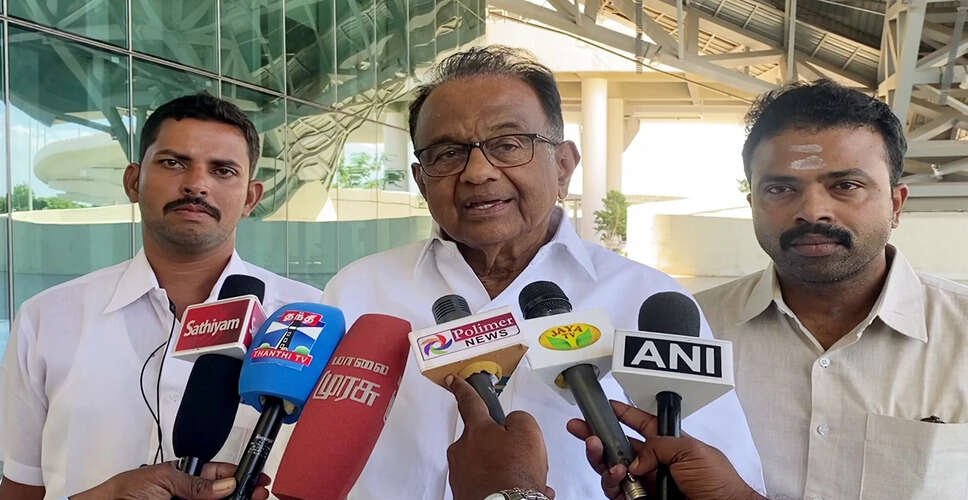
Chidambaram's Concerns Over Hindi Usage in Legislation
Congress leader P. Chidambaram has sharply criticized the government's increasing tendency to incorporate Hindi words in the titles of bills, labeling this shift as 'disrespectful' to non-Hindi speakers. He expressed that individuals who do not speak Hindi may struggle to recognize bills or acts that feature Hindi terms written in English letters, making pronunciation difficult.
In a statement late Monday, the former Union Minister voiced his opposition to the growing trend of using Hindi words in English letters for legislative titles presented in Parliament. He pointed out that traditionally, the titles in the English version of a bill were written in English, while the Hindi version contained Hindi words.
Chidambaram questioned the need for such a change, stating, 'If no one has faced issues with this practice for 75 years, why should the government alter it?' He emphasized that this modification is an affront to non-Hindi speakers and to states where Hindi is not the primary official language. The Congress leader also noted that governments have consistently affirmed that English will remain an associate official language, expressing concern that this promise is on the verge of being broken.