
Opposition's Motion to Remove Chief Election Commissioner Denied by Parliament Leaders
Parliamentary Leaders Dismiss Opposition's Request
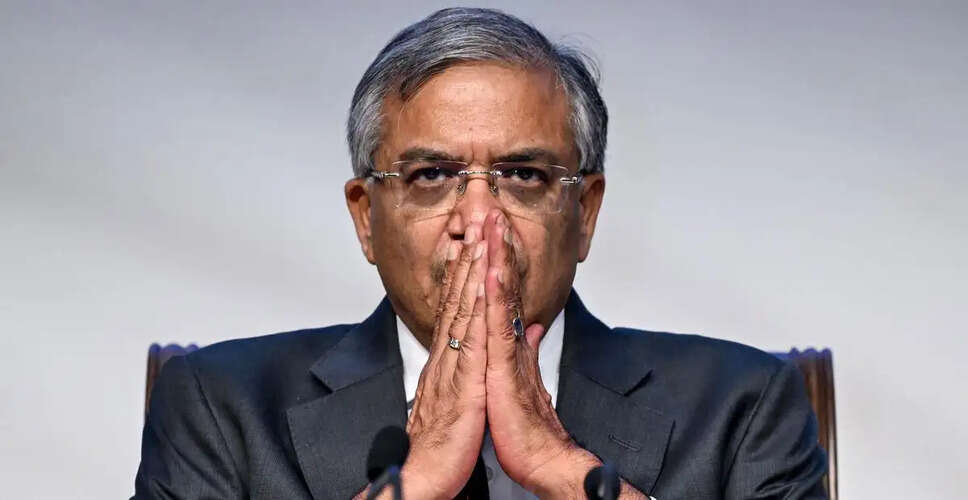
On Monday, the Chairman of the Rajya Sabha, CP Radhakrishnan, along with Lok Sabha Speaker Om Birla, turned down requests from Opposition members aimed at the removal of Chief Election Commissioner Gyanesh Kumar, without offering any specific rationale for their decision.
The requests, which were filed on March 12, garnered the signatures of 63 Rajya Sabha members and 130 Lok Sabha MPs, fulfilling the necessary criteria for such motions.
Leading the charge, the Trinamool Congress accused Kumar of exhibiting "partisan and discriminatory behavior," claiming he misused his constitutional powers, as reported by a news outlet.
Furthermore, they alleged that the election commissioner obstructed investigations into electoral fraud and the special intensive revision of electoral rolls across various states and Union Territories.
The decisions to reject the motions were conveyed through parliamentary bulletins released on Monday, which indicated that the notices were declined after a "careful and objective assessment of all relevant aspects and issues involved."
The presiding officers referenced their authority under Section 3 of the 1968 Judges Inquiry Act, which permits them to accept or reject motions after reviewing the available information.
The procedure for removing the chief election commissioner mirrors that of judges in the Supreme Court and High Courts.
An impeachment motion must be endorsed by 100 Lok Sabha MPs or 50 Rajya Sabha members. If the motion is accepted in both Houses, a three-member committee will investigate the allegations. Should the committee find evidence of misconduct, a vote will take place in Parliament. If two-thirds of the votes favor the motion, the president will be advised to dismiss the election commissioner.
On the same day, Trinamool Congress MP Derek O’Brien expressed on social media that no justification was provided for the rejection and accused the Union government of "mocking our great Parliament."
Congress leader Jairam Ramesh remarked, "we know what happened to the last chairman of the Rajya Sabha who entertained a petition from Opposition MPs."
In July, a notice from the Opposition seeking the removal of Allahabad High Court judge Yashwant Varma was accepted, as reported by another news outlet. At that time, Jagdeep Dhankhar, the chairman, resigned shortly after citing health issues.
Many Opposition figures questioned the timing of Dhankhar’s resignation, with Ramesh suggesting there were "far deeper reasons" behind his decision.
The Opposition has consistently accused the election commission of functioning as an extension of the ruling Bharatiya Janata Party's political agenda.