
Opposition Parties Gear Up for New Attempt to Oust Chief Election Commissioner Gyanesh Kumar
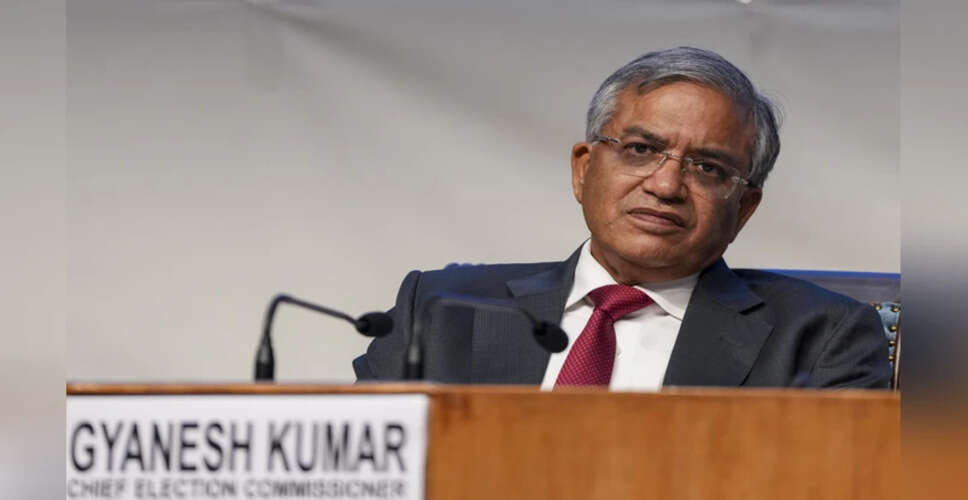

Fresh Moves Against Chief Election Commissioner
New Delhi: Despite previous rejections of their notices, opposition parties are strategizing a renewed effort to remove Chief Election Commissioner Gyanesh Kumar, as reported on Saturday.
Sources indicate that leaders from various opposition factions are currently in discussions, with at least five senior MPs from parties such as Congress, Trinamool Congress, Samajwadi Party, and DMK collaborating to draft a new notice for removal proceedings.
It remains undecided whether this notice will be presented in one or both Houses, as was attempted previously.
Following the recent defeat of The Constitution (131st Amendment) Bill, 2026 in the Lok Sabha, opposition leaders are motivated to gather more signatures, aiming for a target of at least 200 MPs.
"We aim to make a significant statement. Our first step is to demonstrate that the previous count was underestimated," a source mentioned.
In their earlier attempts, the opposition accused CEC Kumar of failing to uphold independence and constitutional integrity, alleging he acted under executive influence.
The accusations included claims of 'proved misbehaviour,' citing a politically influenced appointment, biased actions—such as the alleged 'graded response' approach towards opposition leaders—obstruction of electoral fraud investigations, and a lack of transparency due to refusal to disclose data.
They also charged him with facilitating widespread disenfranchisement through Special Intensive Revision (SIR) exercises in Bihar and other regions, not complying with Supreme Court directives, and aligning with the political executive, thus compromising the Election Commission's independence.
However, both Lok Sabha Speaker Om Birla and Rajya Sabha Chairman C P Radhakrishnan dismissed the previous notices, asserting that even if the allegations were valid, they did not meet the constitutional criteria for 'misbehaviour' necessary for removal.
They argued that issues related to appointments or past government roles do not equate to misconduct; differences in public statements or administrative choices lack evidence of intentional misuse of power; and actions like data-sharing or electoral roll updates fall within the commission's constitutional duties and are open to judicial scrutiny.
Their responses emphasized that many cited issues were either speculative, politically interpretative, or currently under judicial consideration, asserting that removal proceedings cannot be initiated based on disagreements or perceived political ramifications but must be grounded in clear, specific, and demonstrable misconduct, which they concluded was not present in this instance.