
Operation Sindoor: A Strategic Blow to Pakistan's Air Force
Overview of Operation Sindoor
During Operation Sindoor, the Indian Air Force deployed a range of advanced weaponry, including air-launched cruise missiles and loitering munitions, which effectively incapacitated the Pakistan Air Force over a span of four days. Sources involved in the operation indicated that this strategy led to significant disruption and confusion within the Pakistani military ranks, compelling them to request a ceasefire.
Intense Conflict and Tactical Strikes
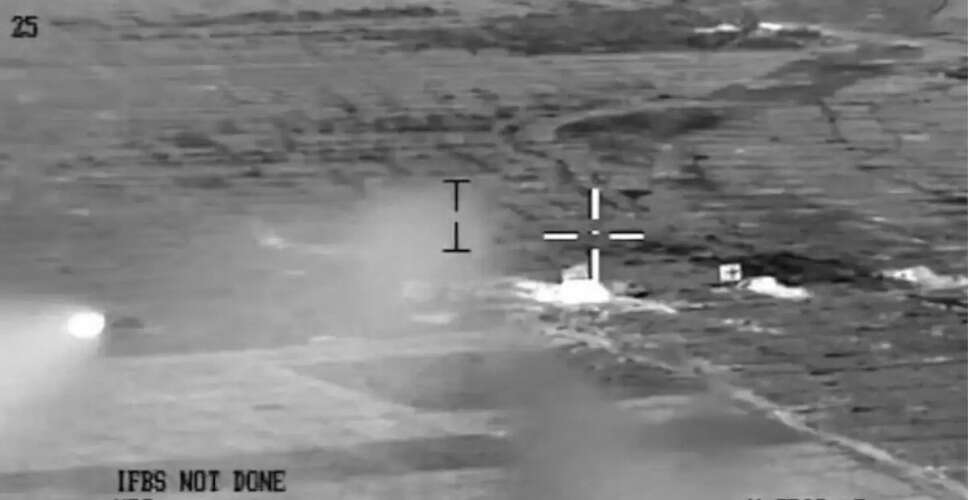
The conflict escalated dramatically on the night of May 9-10, with the Indian Air Force executing precise strikes on various air bases across Pakistan. This operation was a clear demonstration of India's capability to penetrate deep into enemy territory, sending a strong message to Pakistan regarding its military limitations.
Response to Pakistani Retaliation
Following India's initial strikes on terrorist facilities in Pakistan on May 6-7, which targeted locations in Bahawalpur and Muridke, Pakistan retaliated with missile attacks on Indian military sites. However, these attempts were thwarted by India's robust multi-layered air defense systems.
Targeting Air Defense Systems
The Indian Air Force strategically focused on dismantling Pakistan's air defense network, particularly in Punjab, utilizing advanced munitions to neutralize radar stations. This action significantly impaired the Pakistan Air Force's ability to monitor Indian movements, creating vulnerabilities that were exploited in subsequent operations.
Destruction of Command Centers
On May 9, the Indian Air Force intensified its offensive by targeting command and control centers at key Pakistani air bases, utilizing supersonic cruise missiles like Rampage and Scalp. The destruction of these centers severely disrupted communication within the Pakistan Air Force, leading to operational paralysis.
Pakistan's Counterattacks and Indian Defense
Despite the setbacks, the Pakistan Air Force attempted to launch counterattacks using drones and tactical missiles on May 9-10. However, these efforts were largely ineffective due to India's advanced air defense systems, which successfully intercepted many of the incoming threats.
Significant Damage and Strategic Implications
The Indian strikes resulted in extensive damage to Pakistani military assets, including air bases and aircraft. The operation not only inflicted immediate losses but also set back Pakistan's military capabilities by several years, as indicated by defense sources.
Conclusion and Aftermath
The unexpected effectiveness of the Indian Air Force's operations prompted Pakistan to seek a ceasefire early on May 10. The coordinated strikes from a large fleet of aircraft demonstrated India's strategic military capabilities and sent a clear message regarding its readiness to respond decisively to threats.