
One Year Anniversary of Operation Sindoor: A Show of Strength by Indian Armed Forces
On the first anniversary of Operation Sindoor, the Indian Armed Forces reflect on their decisive military action against terrorism. Leaders emphasize the operation's strategic objectives and the ongoing commitment to national security. With insights from top military officials, the event underscores India's resolve to combat terrorism and protect its sovereignty. This article delves into the achievements of the operation, the roles of various military branches, and the future of India's defense strategy. Discover how Operation Sindoor has shaped India's approach to security and its implications for regional stability.
| May 7, 2026, 15:44 IST
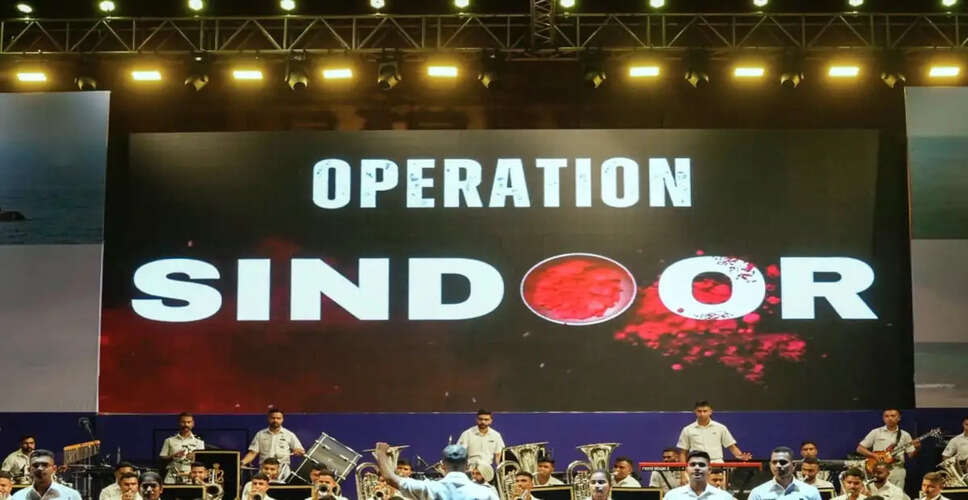

Marking the First Anniversary of Operation Sindoor
On the first anniversary of Operation Sindoor, initiated in response to a severe terrorist attack in Pahalgam, Jammu and Kashmir, the armed forces declared on Thursday that the military action showcased the nation's formidable strike capability and reaffirmed its commitment to safeguarding national integrity and sovereignty. During a joint press conference held in Jaipur, Rajasthan, by the Army, Air Force, and Navy, the forces reiterated that they had been granted full operational freedom by the government, emphasizing that the entire operation was executed in a well-planned manner with precision, proportionality, and clear objectives.
Insights from Military Leaders
Lieutenant General Rajiv Ghai stated that the government had provided two clear directives: a defined political-military objective and operational flexibility to achieve it. The primary aim was to dismantle and disrupt the terrorist infrastructure, thwart their plans, and prevent future attacks from these bases. He emphasized that the goal was not merely to create a stir but to effect real change. He asserted that Operation Sindoor was not an end but a beginning, and India's fight against terrorism would continue. A year later, we not only remember the operation but also the principles behind it. India will steadfastly protect its sovereignty, security, and citizens in a professional and responsible manner.
Responses to Questions on Operation Sindoor
During the press conference, Air Marshal Avadhesh Kumar Bharti of the Indian Air Force addressed queries regarding the cessation of Operation Sindoor, stating that India's objective was to eliminate terrorist launch pads and demonstrate that no terrorist base in Pakistan was safe. He reiterated that Operation Sindoor had not concluded but was merely postponed. Bharti explained that the fight was against terrorists and their support networks, ensuring that no collateral damage occurred. The mission had achieved its objectives, but when the Pakistani establishment chose to support terrorism, India had no choice but to respond accordingly. This was a matter of self-defense, transcending mere anti-terrorism efforts.
Naval Contributions to Operation Sindoor
Vice Admiral A.N. Pramod elaborated on the Navy's role in Operation Sindoor, stating that it compelled Pakistan to remain confined to its ports. He noted that the Navy showcased its deep strike capability by deploying warships and submarines near Pakistan. Military officials highlighted that indigenous missile platforms and weapons, such as BrahMos and Akash, played a crucial role in the operation. They also mentioned that preparations for Mission Sudarshan Chakra were underway to ensure the security of India's assets.
Achievements of Operation Sindoor
They reported that the armed forces successfully destroyed 11 airfields and nine terrorist camps in Pakistan, while the enemy failed to inflict any damage on Indian military assets. Ghai remarked that amidst ongoing global conflicts, India delivered a decisive blow, achieved clearly defined objectives, and chose to cease hostilities when the Pakistani side was compelled to engage in dialogue and requested a halt.