
Odisha's Higher Education Institutions Urged to Reinstate Anti-Ragging Committees Ahead of New Academic Year
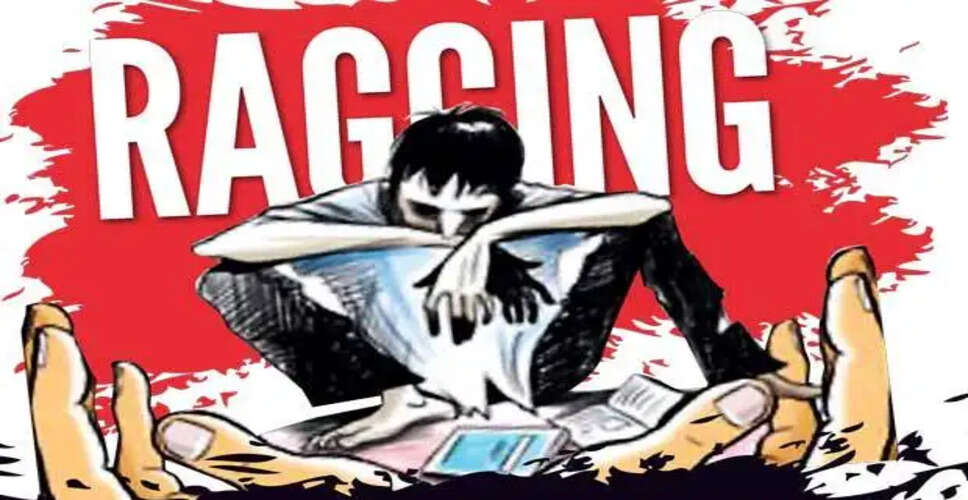

Reviving Anti-Ragging Measures in Odisha
Bhubaneswar: The Odisha government has mandated that all higher education institutions in the state re-establish essential statutory committees, particularly those focused on anti-ragging, prior to the start of the academic year 2026-27.
In a communication directed to both state and private universities, as well as government-funded and independent degree colleges, the Higher Education department has instructed officials to promptly assess the status and structure of various committees, including the anti-ragging committee, anti-ragging squad, monitoring cells, internal committees, grievance redressal committees, and ombudspersons, where applicable.
The letter, dated August 5, highlighted that numerous teaching and non-teaching staff members have been reassigned, retired, or are otherwise unavailable, leading to potential gaps in the composition and functionality of these committees.
As a result, the department has emphasized that any committee or cell that has not been formed must be established immediately, adhering to relevant laws, regulations, UGC guidelines, and government directives.
The letter further stated, "If any chairperson, convener, nodal officer, or member is unavailable due to transfer, retirement, resignation, or extended leave, the respective committee or cell must be promptly reconstituted with eligible and currently serving members."
It is crucial to maintain the prescribed structure, quorum, tenure, and representation, ensuring inclusion of women, students, SC/ST communities, external members, and other mandated categories. Institutions are also required to issue new office orders detailing the name, designation, role, contact number, official email, and tenure of each member.
The newly formed committees and cells should be operational from the start of the 2026-27 academic session, ready to handle complaints, grievances, and student support issues. Additionally, the details of these committees must be prioritized for updating on the HIMS Portal.
The contact information of chairpersons, members, nodal officers, counselors, and other designated personnel should be clearly displayed on institutional websites, notice boards, hostels, and other relevant locations.
The Registrar, Principal, or Head of the institution is responsible for ensuring that the constitution or reconstitution process is completed within seven days of receiving the letter, and certainly before the regular academic activities commence for the 2026-27 academic year.