
Odisha's Bold Move: Complete Ban on Single-Use Plastics in Government Offices

State Government's Renewed Commitment to Plastic Ban
ARINDAM GANGULY, OP
Bhubaneswar: The Odisha government has reaffirmed its commitment to combat plastic pollution by enforcing a total ban on single-use plastic items in all state government offices, autonomous bodies, and Public Sector Undertakings (PSUs).
In a recent directive issued to all additional chief secretaries, principal secretaries, and commissioner-cum-secretaries, the government has called for immediate and strict adherence to this ban, which has been effective since October 2, 2019.
This initiative is in line with the Central government's broader prohibition on single-use plastics that took effect on July 1, 2022.
While environmental organizations have largely praised this decision, some activists have raised concerns regarding previous enforcement failures.
JK Panigrahi, the working president of the Orissa Environmental Society (OES), stated, “This is a positive development, but such bans often remain ineffective due to inadequate monitoring.
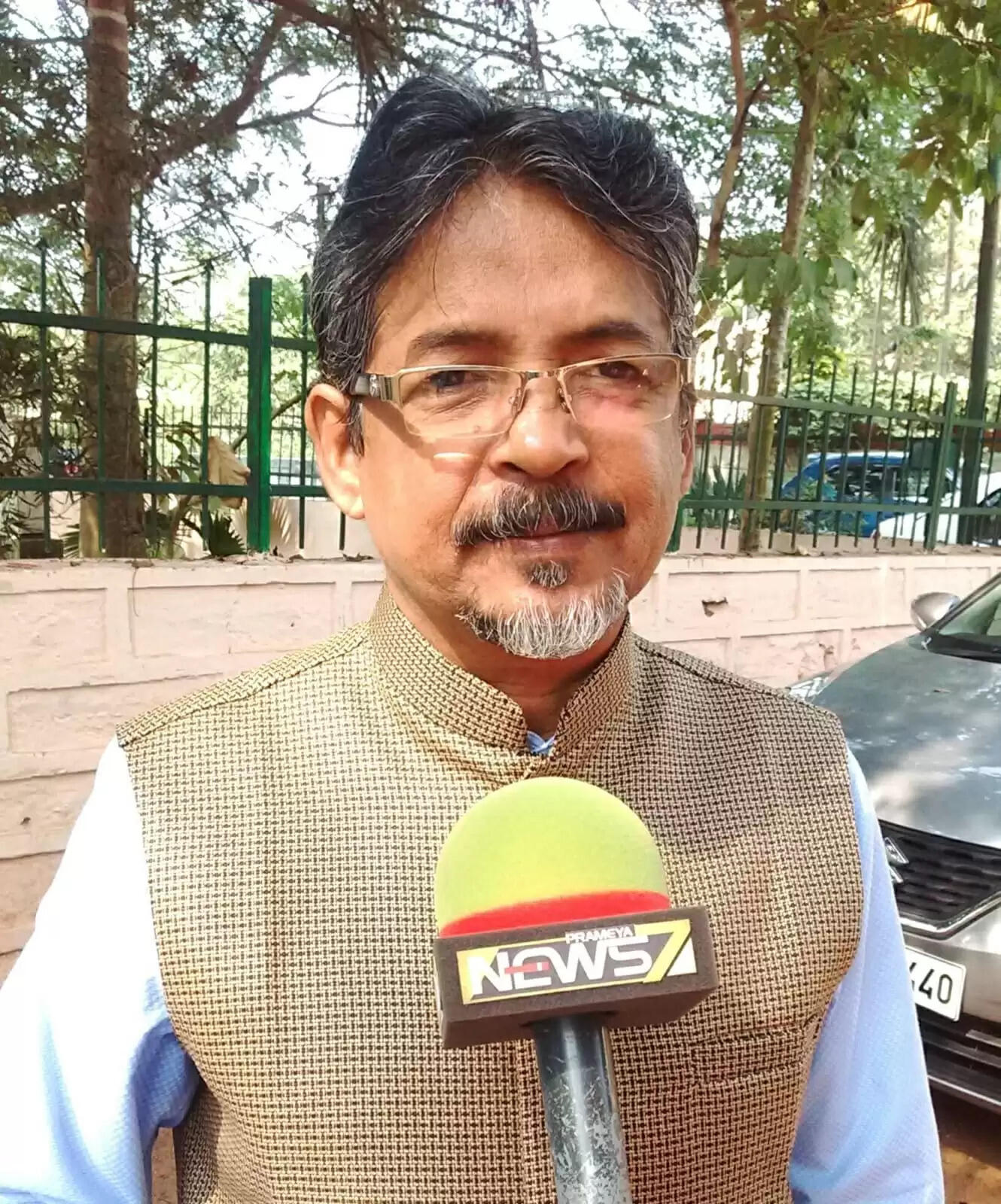
Without rigorous and ongoing enforcement, the issue will continue to persist.
The government had previously prohibited various plastic and thermocol products in 2019, but due to insufficient monitoring, the ban has become largely symbolic.
“Despite regulations against plastic bags thinner than 120 microns and plastic bottles under 500 ml, their usage remains widespread.
A coordinated approach is essential, starting from the state capital down to local village councils,” he emphasized.
Environmental activist Bapi Gochhayat remarked, “This is a positive initiative, but we must go beyond mere policy declarations.
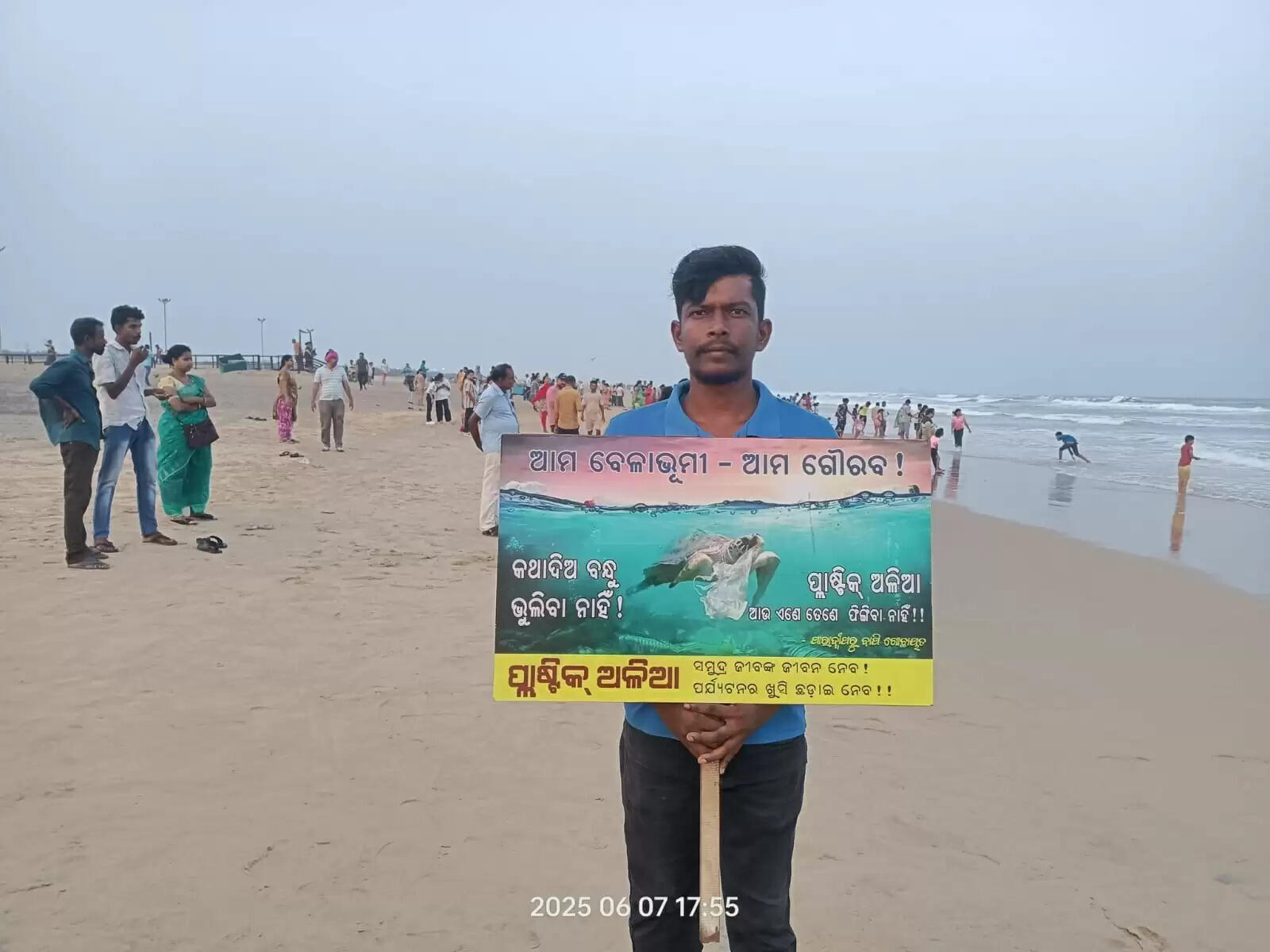
Real change will come from effective implementation of these policies.”
The OES president called on the government to strive for making Odisha a model state free from single-use plastics. “While the intent is commendable, execution is crucial.
We require a strong system to facilitate genuine change,” he stated.
Trilochan Sahoo, an environmentalist, expressed his support for the government's efforts to eliminate plastic in India and states like Odisha.

However, true success hinges on public involvement.
It is insufficient for only government offices to adhere to these guidelines.
“Every individual must take responsibility in their daily lives, whether by rejecting single-use plastics, using cloth bags, opting for steel or glass containers, or supporting eco-friendly products,” he added.
Environmentalist Ranjan Panda welcomed the government's decision to ban single-use plastics, labeling it a progressive move.
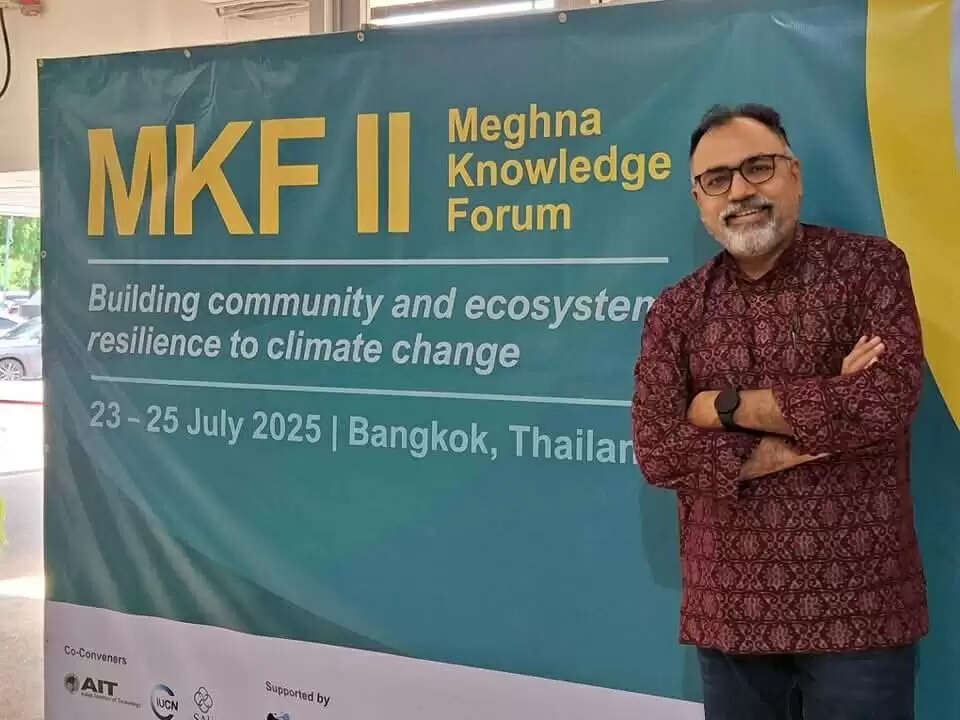
He stressed the necessity of strict enforcement across all government institutions.
“A ban alone will not suffice unless it is supported by adequate systems,” he urged, suggesting that the government replace plastic water bottles with clean drinking water facilities and ensure compliance in office canteens.
Despite these regulations, authorities have noted ongoing use of plastic items in urban settings, government facilities, and public events.
The new directive includes a comprehensive list of specific measures and alternative solutions aimed at reducing plastic reliance in official environments.