
Northern Lights Expected to Dazzle Across the Northern US This Weekend
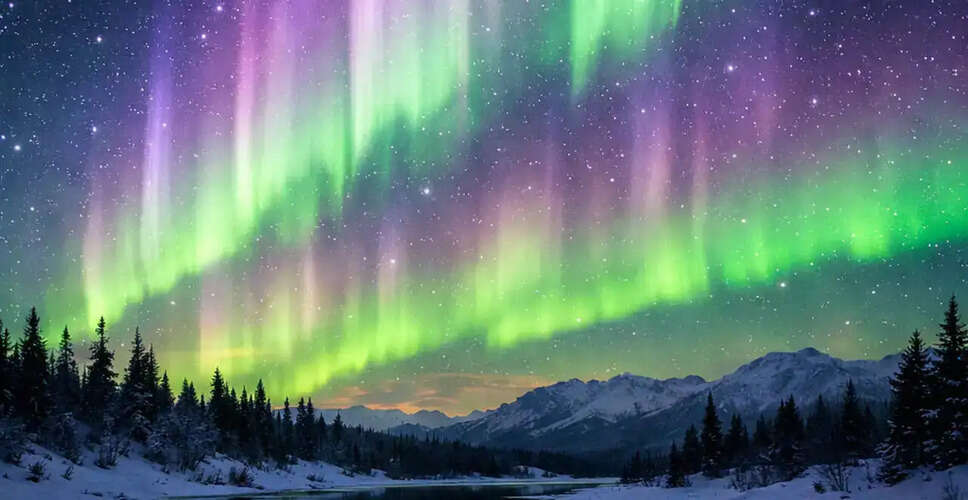

A Spectacular Aurora Borealis Show Awaits
Residents in the northern regions of the United States should consider stepping outside tonight. The northern lights are anticipated to be visible across multiple states starting late Thursday, May 14, and continuing into the early hours of Friday, May 15, as reported by the National Oceanic and Atmospheric Administration's Space Weather Prediction Center. This celestial display may extend beyond Friday, with geomagnetic activity expected to persist through May 16, offering additional opportunities to witness the aurora throughout the weekend.
Optimal Viewing Times
The prime time for observing the lights typically falls between 10 p.m. and 2 a.m. local time, although this may vary based on your location and evolving conditions. The peak of geomagnetic activity is forecasted to occur between 11 p.m. and 2 a.m., during which moderate geomagnetic storms could allow the auroras to be seen further south than usual.
States Likely to Experience the Northern Lights
The visibility of the lights will depend on the intensity of the geomagnetic storm, which could range from G1 to G2 (mild to moderate) or escalate to G3 (strong). While Canada is expected to offer the clearest views, the following U.S. states may also have a chance to see the auroras, according to NOAA's forecast: Washington, Idaho, Montana, North Dakota, Minnesota, Michigan, and Wisconsin. Local weather conditions will also influence visibility, so checking local forecasts is advisable before venturing out.
Understanding the Northern Lights
The aurora borealis is a stunning light phenomenon that occurs near the magnetic poles of the Northern Hemisphere. The vibrant colors seen in the night sky result from interactions between charged particles from the sun and gases in Earth's atmosphere. The Southern Hemisphere experiences a similar spectacle known as the aurora australis or southern lights.
Tips for Optimal Viewing
To enhance your chances of witnessing the auroras, it's crucial to escape the glow of city lights. Light pollution significantly hampers aurora visibility. Seek out a dark area away from urban settings, arrive before the sky darkens completely, and prepare for a wait, as the lights may not appear on a set schedule.