
Northeast India: A New Frontier for Tourism Development
Northeast India Positioned for Tourism Growth
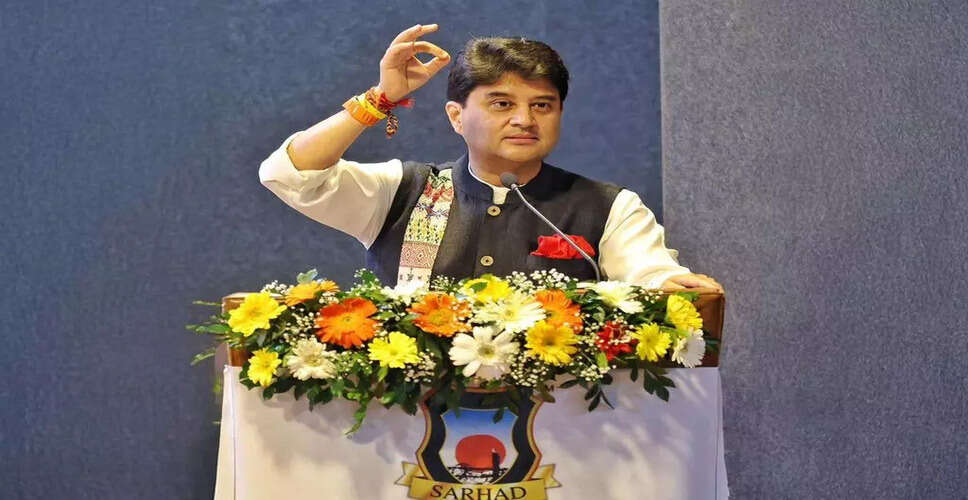
New Delhi, Dec 3: The Northeast region, recognized as a cultural and natural gem of India, is set to become a significant player in the country's tourism sector, as stated by Union Minister Jyotiraditya Scindia.
He urged for enhanced focus on improving last-mile connectivity, integrated planning, and sustainable development to create lasting benefits for local communities and the broader economy.
The minister highlighted the need for an annual calendar showcasing major festivals from the North Eastern Region to promote cultural appreciation and awareness.
Scindia made these remarks during the fourth meeting of the high-level task force on tourism held in the national capital.
The Ministry of Development of North Eastern Region (MDoNER) has established eight high-level task forces, each led by a Chief Minister from the northeastern states, along with the Union Minister of DoNER and three other Chief Ministers from the region.
He praised the quality of the presentations and requested the Meghalaya government to finalize the report by incorporating feedback from all participants.
This session was a pivotal moment in crafting a comprehensive, action-oriented tourism strategy for the Northeast, focusing on priorities, identifying challenges, and promoting coordinated efforts among states.
Discussions revolved around unlocking the region's tourism potential by improving multimodal connectivity, enhancing tourism infrastructure, creating iconic destinations, expanding adventure and eco-tourism, and introducing new tourism offerings that reflect the region's culture and heritage.
The meeting also emphasized the importance of upgrading skill development programs, standardizing service delivery, and enhancing capacity-building to create more local employment opportunities and foster sustainable industry growth. Improved inter-state coordination was deemed crucial for providing seamless travel experiences and curated visitor circuits throughout the region.