
Northeast Frontier Railway Achieves Key Electrification Milestone in Tinsukia Division
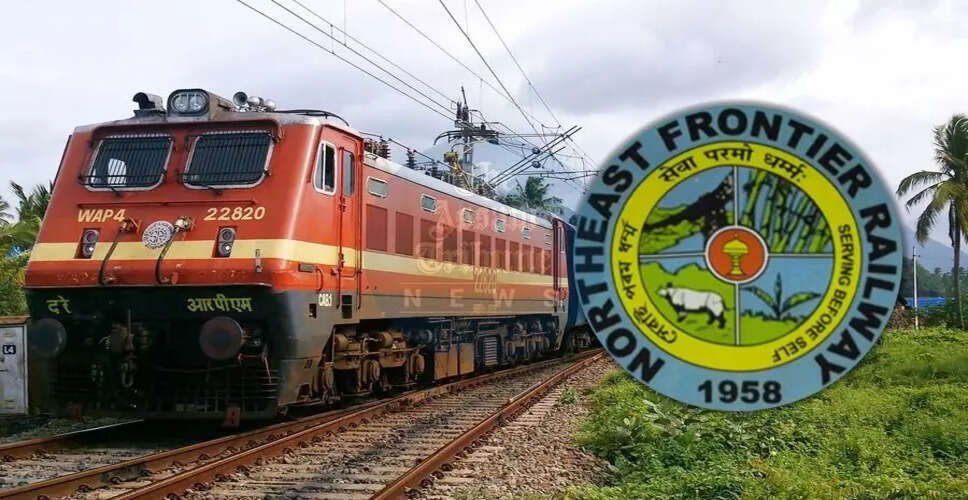
Significant Progress in Electrification
Guwahati, Jan 10: The Northeast Frontier Railway (NFR) has reached a significant milestone in its electrification initiative, having successfully completed extensive electrification projects within the Tinsukia Division.
Yogesh Partaity, the principal chief electrical engineer (PCEE), recently evaluated the completed electrical works along the Tinsukia-Dangari and Makum-Ledo segments. As of December 31, 2025, NFR has achieved electrification of 4,170.19 route kilometres (RKM) out of a total of 4,324.15 RKM, marking an impressive 96.43 percent electrification rate across the zone. The inspection encompassed 90.31 RKM and 106.10 track kilometres (TKM), according to a railway representative.
During the inspection, the overhead equipment (OHE) was successfully energized by extending traction power from the Dibrugarh Traction Sub-Station.
Following this, a current collection test for the electric locomotive was conducted at full sectional speed, confirming that the newly electrified sections are ready for commercial operations.
This successful energization and testing signify a major advancement in the electrification of railway tracks within the Tinsukia Division. This accomplishment is expected to enhance operational efficiency, reduce reliance on fossil fuels, lower carbon emissions, and facilitate seamless electric traction throughout the Division. The full electrification of the Tinsukia Division is anticipated to greatly improve train operations, decrease operational costs, and support sustainable development in the area.