
Nirav Modi Seeks to Reopen Extradition Case in UK Court
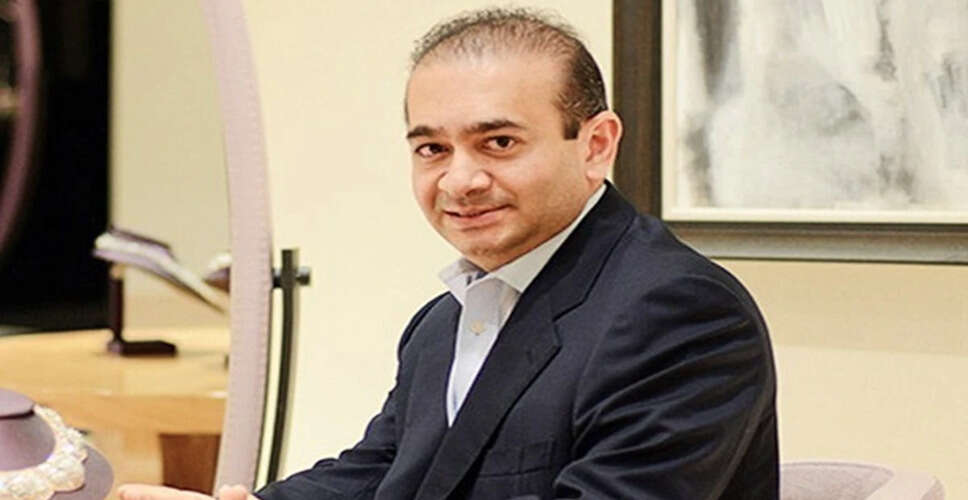
Nirav Modi's Legal Maneuvering Continues
Fugitive diamond trader Nirav Modi is once again employing legal tactics to evade extradition to India. The 54-year-old has requested permission from the High Court in London to reopen his extradition case. His primary argument centers around the "real risk of inhumane treatment and torture" he claims he would face in India. The Royal Courts of Justice in London, presided over by Lord Jeremy Stuart-Smith and Justice Robert Jay, have completed a detailed hearing on the matter. After listening to arguments from both sides, the court has reserved its decision. During the hearing, Modi appeared via video link from Pentonville Prison in North London. Justice Stuart-Smith remarked on the case's significance, stating, "This case is extremely important for both Mr. Modi and the Indian government. We will deliver our decision as soon as possible."
Defense Cites Torture Risks in India
Modi's legal team argued that he could face inhumane or degrading treatment during questioning by Indian authorities if extradited. His lawyer, Edward Fitzgerald KC, asserted that there is a genuine risk of torture and questioned the assurances provided by the Indian government, labeling them as "neither sufficient nor credible." The defense also expressed concerns that Modi could be transferred from Arthur Road Jail in Mumbai to Gujarat, where additional agencies, including the Central Bureau of Investigation (CBI) and the Enforcement Directorate (ED), might interrogate him, raising further worries.
Reference to Sanjay Bhandari Case
To support their arguments, Modi's lawyers referenced the case of Sanjay Bhandari, who was recently granted immunity from extradition in the UK on human rights grounds. They contended that similar concerns should be taken into account in Modi's case.
UK Prosecution Opposes Reopening of Case
Representing the Indian government, the Crown Prosecution Service (CPS) strongly opposed the application. CPS barrister Helen Malcolm KC argued that the request was filed late and was based on a "false premise." She urged the court to adopt a "common-sense perspective," emphasizing that India has provided strong assurances, and given the high-profile nature of the case, the likelihood of any violations is minimal. She also warned that any violations could jeopardize future extradition cooperation between India and the UK.
Significance of Extradition Decision for Trial in India
Should the High Court deny the request to reopen the appeal, the extradition process for Modi is expected to advance. Before facing trial in India, he is likely to be held in Arthur Road Jail in Mumbai. Modi is wanted in connection with the Punjab National Bank scam, which involves nearly $2 billion. He faces multiple charges, including fraud investigations by the CBI, money laundering allegations from the ED, and tampering with evidence and witnesses. In 2021, the then UK Home Secretary Priti Patel approved his extradition after courts found a prima facie case against him. Since then, Modi has filed several bail applications and appeals in UK courts, but none have been successful.