
NIA Investigates Matthew VanDyke's Alleged Training of Insurgents in Northeast India

Investigation into Drone Training Allegations
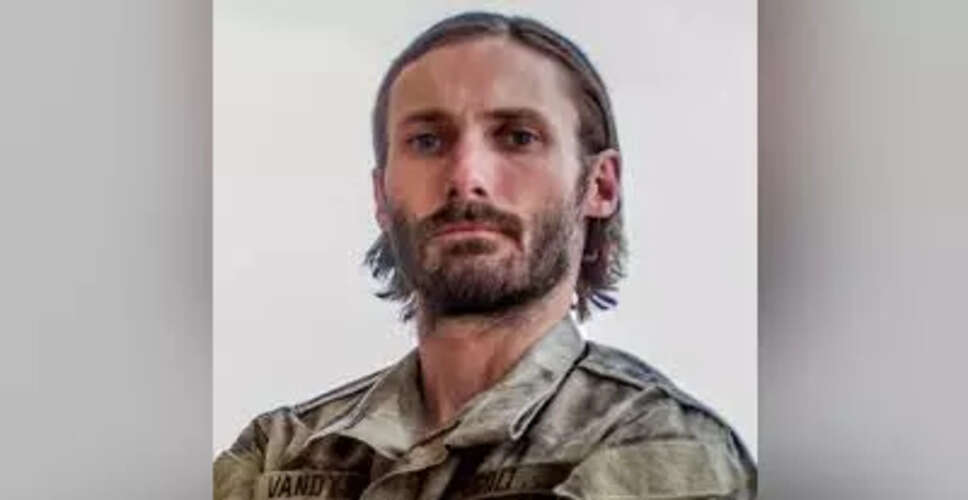
Matthew VanDyke (Photo: IANS)
NEW DELHI, Nov 21: Matthew VanDyke, a US citizen, has been permitted to return to the United States, but the National Investigation Agency (NIA) is currently examining whether he provided training to insurgent groups in Northeast India, particularly regarding drone operations.
NIA Director General Rakesh Aggarwal stated on Friday that the agency is looking into VanDyke's potential involvement in training Indian insurgents during his reported activities in Myanmar.
“We are investigating which Indian insurgents may have received training from VanDyke,” Aggarwal informed reporters in New Delhi following the conclusion of a two-day Anti-Terror Conference organized by the NIA.
This investigation is crucial as VanDyke has been accused of offering drone training to insurgent factions in Myanmar. The agency is now assessing whether this training also included Indian insurgent groups, especially those active in the Northeast.
Aggarwal noted that VanDyke had entered Myanmar illegally after arriving in India with a valid visa, raising concerns that he could re-enter India through the same unauthorized route.
“Matthew VanDyke arrived on a valid visa but crossed into Myanmar unlawfully to train certain insurgent groups,” the NIA chief explained.
He also pointed out that the porous border between India and Myanmar poses significant security challenges for law enforcement, particularly due to the traditional movement of ethnic communities across the border, complicating surveillance and enforcement efforts.
“The flexibility in the movement of people from ethnic communities along the India-Myanmar border presents a challenge,” he added.
The sixth Anti-Terror Conference concluded on Friday, emphasizing the need for enhanced coordination between Central and State agencies, intelligence-driven investigations, and effective prosecution of terrorism-related cases.
During the conference, Union Home Minister Amit Shah highlighted the necessity of strengthening the Anti-Terrorism Squad (ATS) framework in states, suggesting that adopting a Model ATS structure would significantly enhance the quality and thoroughness of investigations.
He also advocated for the establishment of specialized cyber expert units within State ATS formations, given the rising use of technology by terrorist organizations.
The two-day conference, held at DRDO Bhawan in New Delhi on November 19 and 20, focused on the theme of ‘Cross-Border Terrorism’ and included participation from 40 Directors General and heads of state police forces and Central agencies, along with 230 officers from state anti-terror investigation units.
Shah reiterated the government's zero-tolerance stance towards terrorism, calling for a coordinated effort to dismantle the entire terror ecosystem, which includes cross-border handlers, financial networks, organized crime connections, and local facilitators.
During the conference, Shah emphasized the importance of coordinated actions against terrorism, organized crime, and drug trafficking, as well as the need to enhance financial investigations to identify and dismantle the entire chain of terror financing.
Aggarwal reported that the NIA has registered 82 cases in 2026 thus far, with 29 cases resulting in judgments, leading to 27 convictions and a remarkable conviction rate of 93 percent.
The NIA has trained 5,800 police personnel through 53 programs this year to bolster the investigation of terror cases.
The Director General mentioned that Technical Support Units have been set up in all 21 NIA State units to improve the utilization of technology and digital evidence.
To expedite trials, 25 exclusive NIA courts are currently operational, with plans to establish another 14 courts soon.