
NIA Files Comprehensive Chargesheet in Delhi Car Bomb Attack Case

NIA Takes Major Action in Car Bomb Attack Investigation
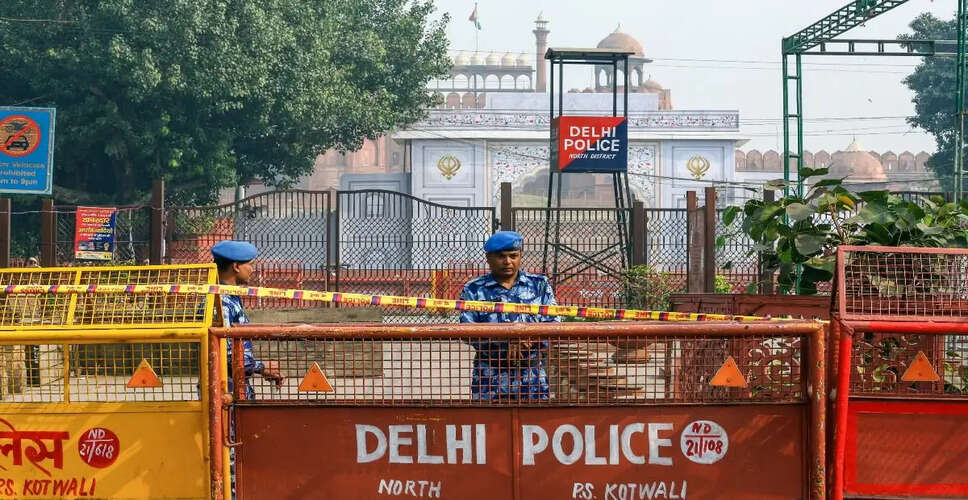
The National Investigation Agency (NIA) has made significant progress in the investigation of the devastating car bomb explosion that occurred outside the historic Red Fort in Delhi last year. On Thursday, the agency submitted a detailed chargesheet comprising 7,500 pages to the Patiala House Court in Delhi, naming ten accused individuals. The investigation revealed alarming connections to a global terrorist network behind the attack. All ten suspects are reportedly linked to the banned terrorist organizations 'Ansar Ghazwat-ul-Hind' (AGuH) and 'Al-Qaeda in the Indian Subcontinent' (AQIS). Umar Un Nabi has been identified as the principal conspirator behind the attack, which took place on November 10, 2025, shaking the entire national capital. The terrorists employed a Vehicle-Borne Improvised Explosive Device (VBIED), resulting in the tragic loss of 11 innocent lives and leaving many others severely injured. The explosion also caused significant damage to properties surrounding the historic site.
Details of the Chargesheet and Investigation Findings
The NIA's chargesheet highlights that the Ministry of Home Affairs had already designated AQIS and its affiliated groups as terrorist organizations back in June 2018. This attack was part of a broader agenda aimed at undermining the security and peace of the nation. The extensive 7,500-page document reflects the diligent efforts of security agencies and a wealth of evidence. The Patiala House Court will now commence hearings on the case, raising hopes for justice among the victims. This action underscores that those plotting terrorist activities against India will face severe consequences.
NIA Press Release
According to a press release from the NIA, the chargesheet has been filed under various sections of the UA(P) Act 1967, the Indian Penal Code 2023, the Explosive Substances Act 1908, the Arms Act 1959, and the Prevention of Damage to Public Property Act 1984.
Umar Un Nabi, a resident of Pulwama, has had the charges against him proposed for dismissal. He was previously an assistant professor of medicine at Al-Falah University in Faridabad, Haryana. The press release also mentions other individuals named in the chargesheet, including Amir Rashid Mir, Jaseer Bilal Wani, Dr. Muzammil Shakeel, Dr. Adil Ahmad Rather, Dr. Shaheen Syed, Mufti Irfan Ahmad Waghay, Soyab, Dr. Bilal Nasir Malla, and Yasir Ahmad Dar.
Extensive Evidence Collected During the Investigation
The chargesheet is based on a thorough investigation conducted across various states, including Jammu and Kashmir, Haryana, Uttar Pradesh, Maharashtra, Gujarat, and the Delhi-NCR region. It includes 588 oral testimonies, over 395 documents, and more than 200 seized items as detailed evidence.
The NIA has uncovered a significant jihadist conspiracy through extensive scientific and forensic investigations. The inquiry revealed that the accused, some of whom were radicalized medical professionals, were planning this deadly attack inspired by the ideologies of AQIS/AGuH. During a clandestine meeting in Srinagar in 2022, following a failed attempt to travel to Afghanistan via Turkey, the accused reorganized the AGuH terrorist group, renaming it 'AGuH Interim.' Under this new organization, they initiated 'Operation Heavenly Hind,' aiming to overthrow the democratically established Indian government and impose Sharia law.
Recruitment and Planning of the Terrorist Module
The NIA's investigation revealed that as part of 'Operation Heavenly Hind,' the accused recruited new members, actively promoted AGuH's violent jihadist ideology, stockpiled weapons and ammunition, and manufactured large-scale explosives using readily available chemicals. During the investigation of case RC-21/2025/NIA/DLI, it was discovered that the accused had also constructed various types of IEDs and conducted tests on them. The explosive used in the attack was Triacetone Triperoxide (TATP), which the accused had secretly manufactured by gathering necessary materials and optimizing the explosive mixture.
The press release further stated that the NIA, which took over the investigation from the Delhi Police, confirmed the identity of the deceased accused as Umer Un Nabi through DNA fingerprinting. Evidence collected from the crime scene, as well as from Al-Falah University in Faridabad and various locations indicated by the accused in Jammu and Kashmir, underwent comprehensive forensic analysis, including voice analysis.
Illegal Arms Purchases and Future Plans
The investigation also revealed that the accused were involved in the illegal procurement of prohibited weapons, including an AK-47 rifle, a Krinkov rifle, and locally made pistols with live ammunition. They experimented with IEDs intended for use against security installations in Jammu and Kashmir and other parts of India, including rockets and drones.
During the investigation, it was discovered that the accused had purchased laboratory equipment from various offline and online sources, including MMO Anode, electric circuits, and switches. They were planning to expand their activities to other parts of the country, but the exposure of this terrorist module thwarted their plans.
The press release indicated that a total of 11 individuals have been arrested in this case so far, and the NIA continues its efforts to locate the absconders whose roles emerged during the investigation.