
NIA Files Charges Against Kashmiri Separatist Leaders for 1996 Violence

Charges Filed in 1996 Srinagar Violence Case
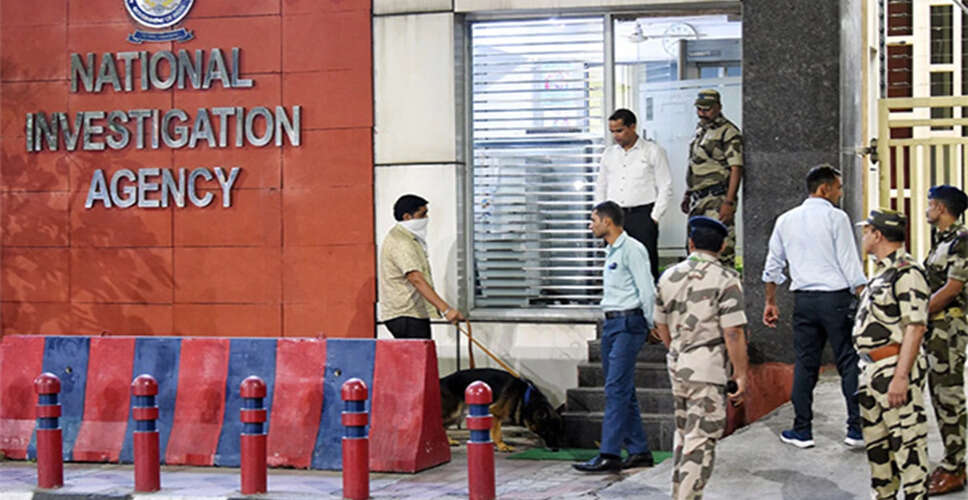
On Friday, the National Investigation Agency (NIA) submitted a charge sheet in Srinagar concerning the violent mob incidents and indiscriminate firing on police personnel that occurred in 1996. The charge sheet names Shabbir Ahmed Shah along with five other prominent Kashmiri separatist leaders.
Included in the charge sheet are Syed Ali Shah Geelani, Abdul Gani Lone, Mohammad Yaqub Waqeel (also known as Mohammad Yaqub Waqeel), Javed Ahmed Mir, and Shakeel Ahmed Bakshi, all of whom are associated with the separatist Hurriyat Conference. They face serious allegations under the Ranbir Penal Code of 1989, including criminal conspiracy, attempted murder, rioting, and assault on government officials, as well as violations under Section 13 of the Unlawful Activities (Prevention) Act of 1967.
Legal Proceedings and Death of Key Figures
Charges against Syed Ali Shah Geelani, Abdul Gani Lone, and Mohammad Yaqub Waqeel have been dropped due to their deaths during the legal proceedings. Nonetheless, the NIA's charge sheet, filed in a special court in Jammu, clearly establishes their involvement in the criminal conspiracy and the shared intent of the unlawful mob through substantial evidence.
Details of the Investigation
During the investigation, the NIA uncovered that on July 17, 1996, during the funeral procession of terrorist Hilal Ahmed Beg, who was killed at the Naz Crossing in Srinagar, all six accused led an unlawful assembly and incited widespread violence against police personnel. The agency reported that armed terrorists joined the procession, which was led by the accused separatist leaders. During the chaos, they opened fire on police officers, resulting in injuries to several officers, while also causing significant damage to government vehicles due to heavy stone-pelting.
According to the NIA's investigation in this case (RC-01/2026/NIA/JMU), the separatist leaders charged have played an active role in inciting violence by shouting anti-India, pro-Pakistan, and separatist slogans. The NIA also found that they delivered inflammatory speeches supporting armed conflict.
Conclusion of the NIA's Findings
The anti-terrorism agency stated that its thorough investigation revealed that the mob violence was part of a larger, premeditated criminal conspiracy orchestrated by the Hurriyat leadership. The objective of this conspiracy was to exploit the funeral procession to promote separatist ideology, garner public support against the Indian government, create public disorder, incite violence against law enforcement agencies, and demonstrate the strength of the Hurriyat in Jammu and Kashmir.