
New Tea Mark Licensing Portal Launched to Enhance Quality Assurance in Indian Tea

Introduction of Tea Mark Licensing Portal
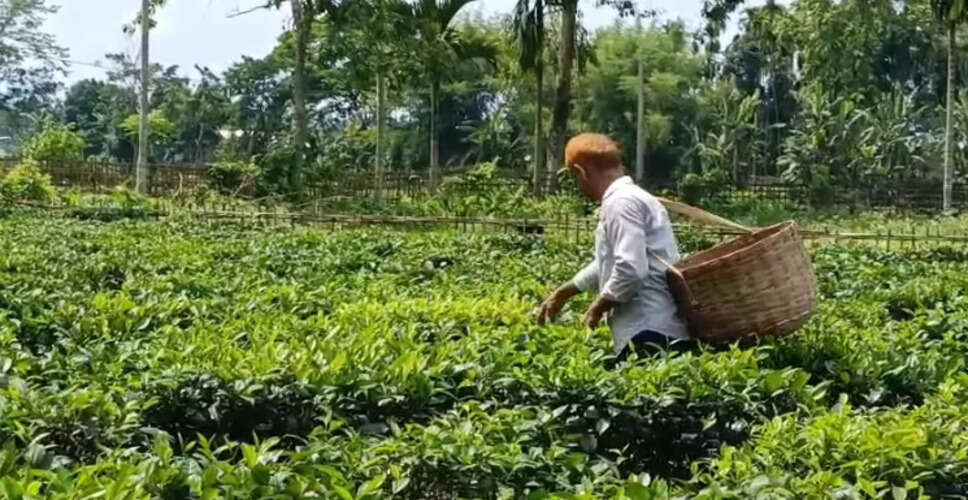
The tea garden in Majuli
Guwahati, July 13: In response to rising concerns regarding tea quality in the domestic market, the Tea Board has officially launched the ‘Tea Mark’ licensing portal. This initiative includes a standard operating procedure (SOP) designed to create a structured framework for the certification process, which encompasses implementation, monitoring, and enforcement.
According to a circular, the Tea Board has introduced the Tea Mark to ensure quality and traceability for all tea sold on its dedicated e-commerce platform aimed at boosting domestic sales.
The Tea Mark will serve as a voluntary national certification for Indian teas, providing a standardized protocol for certifying eligible teas and tea products. This includes quality verification, laboratory testing, traceability, and digital authentication, along with market surveillance and enforcement measures.
Initially, the certification will be limited to mini tea units and bought leaf factories, with plans to expand to tea estates, corporate factories, independent packers, and exporters in later phases.
The Tea Mark, issued by the Board, will signify that the tea complies with established quality standards, traces its origin, and meets sustainability criteria.
Upon applying for the Tea Mark certificate, authorized personnel will inspect the facility and collect samples from the packaged tea batches.
These batches will be available for sale through the e-commerce site teamarketplace.in.
Once laboratory results are received, the Tea Board will grant batch-wise permission for manufacturers to sell their tea packets bearing the Tea Mark logo, provided they meet the standards set by the FSSAI (Food Safety and Standards Authority of India).
The certification process will be centralized, and the digital platform will provide transparency in the supply chain, allowing customers to verify the product's processing history, manufacturing date, laboratory clearance token, and the origin of the estate or factory.
However, since participation is voluntary, this framework does not impose restrictions on the manufacture, sale, export, or distribution of tea under current Indian laws, as stated in the SOP.