
New Study Reveals 75 Edible Beetle Species in Northeast India

Significant Findings on Edible Beetles
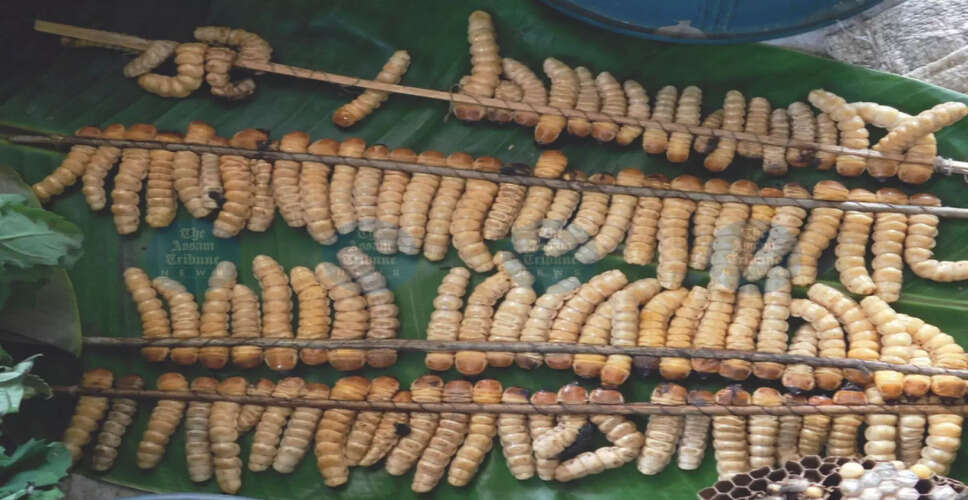
Beetle larvae, a traditional food source for some indigenous communities. (AT Photo)
Imphal, Oct 25: A recent study has identified 75 species of edible beetles in Northeast India, with 24 of these species being recognized as edible for the first time globally and five noted for the first time in India.
This research, spearheaded by entomologists from the Ashoka Trust for Research in Ecology and the Environment (ATREE) based in Bengaluru, was published in the journal npj Entomology, part of the Nature Portfolio.
Dr. Priyadarsanan Dharma Rajan led the study, which took place from 2019 to 2021.
“We gathered data and conducted interviews with members of nine indigenous communities during our research period,” Dr. Rajan explained.
Other contributors to the study included Swapnil S Boyane, Aavika Dhanda, AP Ranjith, and T Shantibala.
The researchers emphasized the necessity of documenting indigenous knowledge regarding edible insects and the conservation of their habitats.
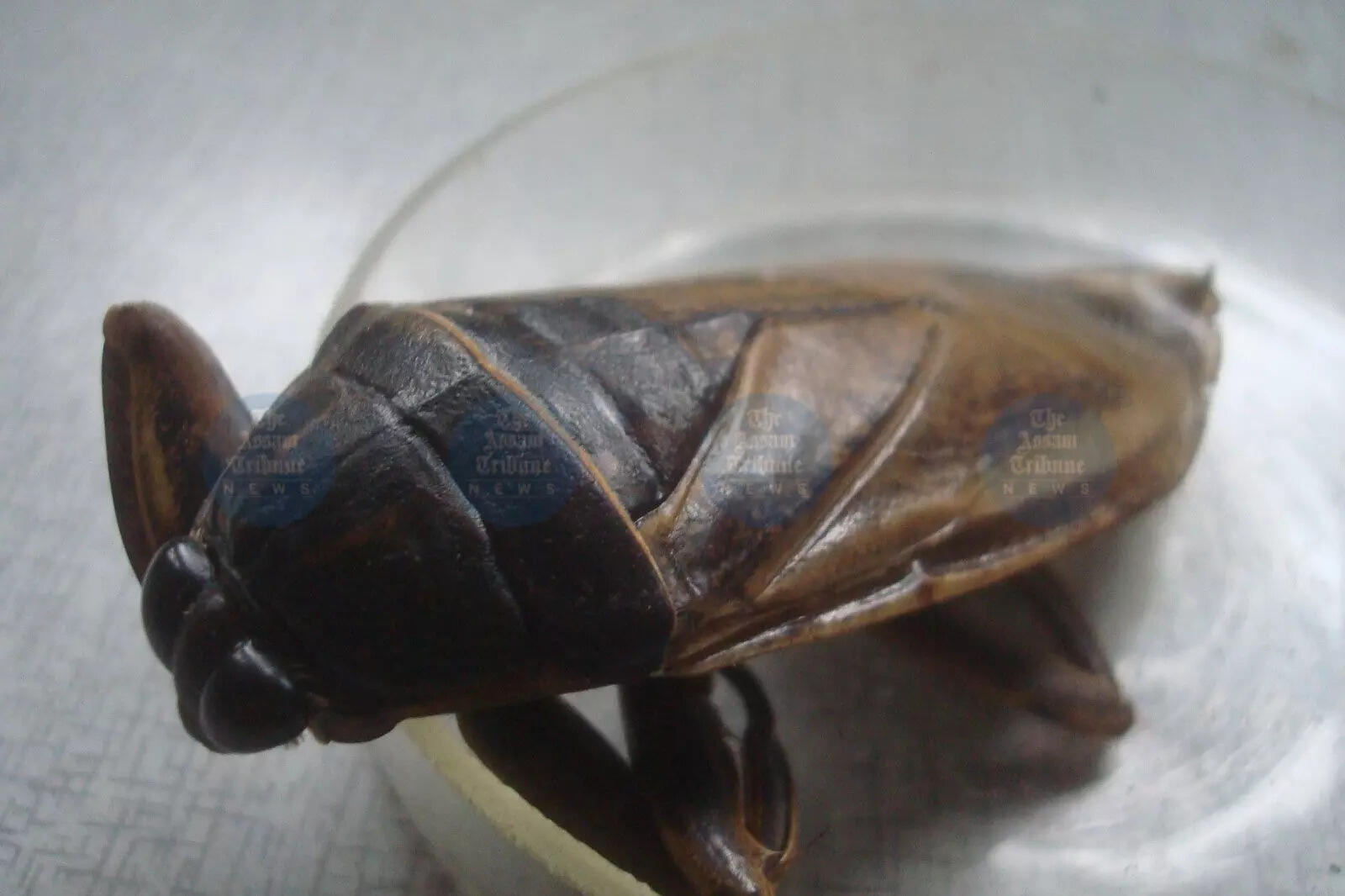
The consumption patterns of beetles varied significantly among the surveyed communities. The Angami community reported the highest diversity with 31 species, followed by the Nyishi community with 27 species. The Meitei community documented seven species.
Both the Lai and Apatani communities noted five species each, while the Mao and Paite communities reported four species each. The Adi community identified three species, and the Lotha and Monsang communities each recorded two species.
The study also raised concerns regarding conservation, as approximately 79% of the harvesters interviewed indicated a decline in wood-boring beetles over the last decade.
Of those who reported declines, 63% attributed the decrease to deforestation and habitat destruction, while others pointed to overharvesting driven by market demand.
The researchers highlighted the critical need to protect beetle habitats and preserve indigenous knowledge as pressures on ecosystems and demand for forest resources continue to rise.
Beetles and weevils, which belong to the order Coleoptera, are an important yet relatively overlooked group of insects consumed by humans.
As researchers seek alternative protein sources in light of population growth and the environmental impact of traditional livestock farming, the nutritional potential of insects has gained attention.
Livestock farming contributes nearly 14.5% of global greenhouse gas emissions and leads to land degradation, air pollution, and water contamination. In contrast, insects can offer protein, carbohydrates, essential fatty acids, vitamins, and minerals, and insect farming typically results in lower greenhouse gas emissions compared to conventional livestock farming.
The study also revealed notable differences in lipid, moisture, ash, energy, and mineral content among various beetle species.
In Northeast India, insects are not only valued as food but also hold cultural and medicinal significance.
Worldwide, over 3,000 ethnic groups across 113 countries consume more than 2,205 known insect species from 25 orders and 183 families, showcasing the enduring role of insects in human dietary traditions.