
New Regulations to Combat Dust Pollution in Delhi NCR Effective April 2026
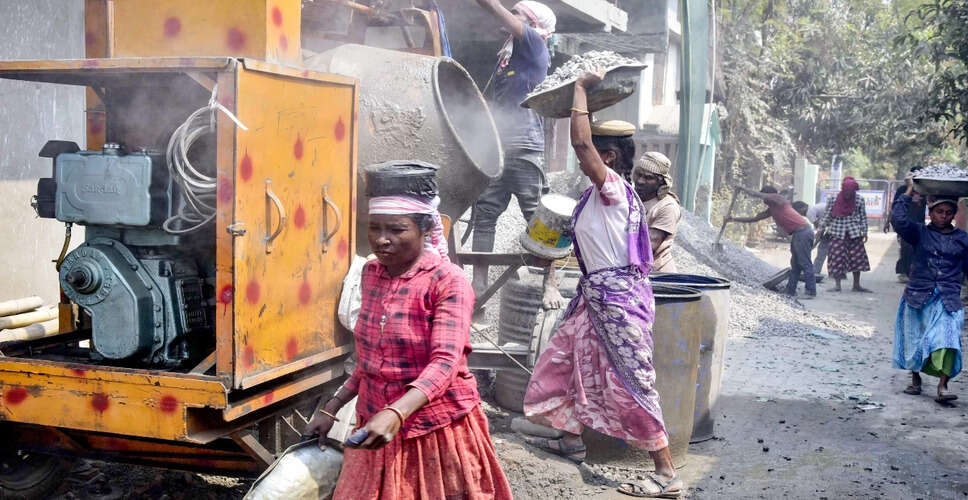
Strict Measures to Address Dust Pollution
The Commission for Air Quality Management (CAQM) has introduced stringent regulations aimed at tackling dust pollution in the National Capital Region (NCR) of Delhi, set to take effect on April 1, 2026. A study conducted in 2026 revealed that dust pollution significantly contributes to air quality issues, accounting for approximately 15% in winter and 27% in summer. In light of these findings, CAQM has issued new directives to limit dust generation and enhance air quality.
Key Insights from CAQM Officials
S.D. Atri, a technical member of CAQM, emphasized that dust pollution from demolition activities is a major concern that requires stringent oversight. He pointed out that demolition projects have often been executed without adequate planning or notification, leading to uncontrolled dispersal of dust and debris. Under Directive No. 97, 2026, demolition projects exceeding 200 square meters must deposit waste at designated collection centers, ensuring that at least one center is located within a five-kilometer radius for accessible and scientific disposal.
Implementation of New Waste Management Protocols
The regulations stipulate that debris must be transported in covered vehicles to prevent dust spread. Occupancy certificates will only be issued upon submission of waste disposal proof. Additionally, an integrated online portal is being developed to facilitate the issuance of receipts and GPS-based waste tracking. Atri noted that existing dust control measures, such as water spraying, dust screens, sensors, and anti-smog guns, will remain mandatory at large sites. Compliance will be ensured through regular inspections, with penalties imposed for violations.