
New Insights into Japan's WWII Chemical Weapons Production Uncovered

Revelations from Historical Records
Representational Image
Tokyo, June 6: Recent historical findings have illuminated the operations of a Japanese factory that produced poison gas bombs during World War II, unveiling aspects of chemical weapon manufacturing, workplace incidents, and a wartime mobilization system that prioritized military growth above all else.
These documents were discovered by Seiya Matsuno, a historian affiliated with the International Peace Research Institute at Meiji Gakuin University, within Japan's National Archives. Matsuno indicated that these materials not only offer new insights into Japan's wartime chemical munitions production but also highlight the grim reality of a government and military structure that prioritized warfare over societal and human welfare.
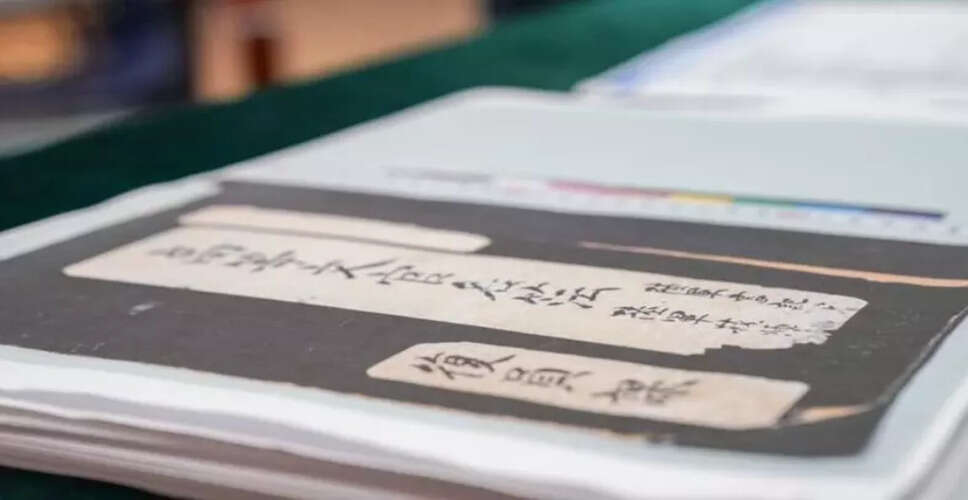
The document, titled "Compilation of Reports on the Implementation of Military Mobilisation," details production activities from fiscal 1941 at the Sone Manufacturing Plant, part of the Tokyo Second Army Arsenal. Matsuno analyzed these findings and shared his conclusions in the June 2026 edition of the Japanese magazine Sekai.
According to Matsuno's investigation, the Sone plant, previously situated in Kitakyushu City, Fukuoka Prefecture, was tasked with filling artillery shells with hazardous chemical agents and assembling poison gas bombs. The facility also produced smoke shells and incendiary devices.
The records document incidents that occurred during the production of poison gas bombs, including injuries sustained by workers. Previously, such events were primarily known through the accounts of former employees, but these newly found documents provide concrete evidence to support those narratives.
Matsuno noted that the records also illustrate how the production of poison gas bombs expanded in tandem with Japan's escalating military efforts. In fiscal 1941, the Sone plant increased its workforce and production levels, coinciding with Japan's ongoing conflict in China, preparations for potential hostilities with the Soviet Union, and plans for military expansion into Southeast Asia.
Matsuno stressed that the Japanese military's deployment of chemical weapons in China and other regions contravened international law, highlighting that the military also engaged in human experimentation and other war crimes, reflecting the brutal nature of Japan's wartime aggression.
Under the influence of militarism, Japan became increasingly engulfed in war fervor. Matsuno remarked that the newly uncovered records reveal a time when the government and military subordinated all societal aspects to the war effort, while dissenting opinions were systematically silenced.
He emphasized that war only brings suffering and misfortune, underscoring the necessity of revealing the truths of wartime history to avert similar tragedies in the future. Understanding how Japan became a nation that inflicted significant harm on numerous Asian countries and examining the conditions that facilitated such developments are crucial tasks for modern Japanese society.