
New Draft Framework Emerges Amid Iran-US Peace Talks

Details of the Proposed Framework
As discussions continue regarding a peace agreement between Iran and the United States, fresh details about a proposed draft framework have surfaced. Iranian media outlets have reported potential plans for the withdrawal of US military forces from the region and the resumption of shipping activities through the Strait of Hormuz. This draft proposal, which remains in the preliminary stages, is being framed as part of efforts to address the ongoing Middle East crisis.
This development follows a US attack on Iranian missile sites and vessels allegedly attempting to lay mines, which Tehran condemned as a breach of the ceasefire. The proposed memorandum of understanding aims to restore commercial shipping through the Strait of Hormuz to pre-conflict levels within a month, as reported by Iranian state television. In exchange, the US would decrease its military presence in Iran.
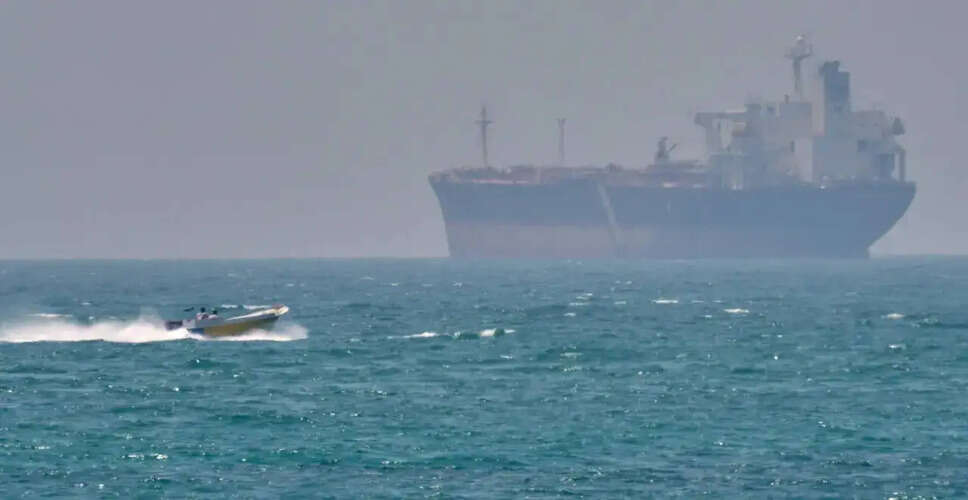
The Strait of Hormuz is a vital trade route, with approximately one-fifth of the global oil supply passing through it. Despite signs of progress, Iranian officials seem hesitant to revert to the previous conditions in the Strait. They have asserted that vessels from 'hostile nations' will still be prohibited from navigating this strategically important waterway.
According to state media, the proposed framework, which excludes military vessels, envisions Iran managing shipping traffic in collaboration with Oman. However, this framework has yet to be finalized, and Tehran has emphasized that it will not proceed with any agreement without 'tangible verification.' Iran is also keen on maintaining a higher level of operational control over maritime traffic than it had prior to the conflict.
Iran's Mizan news agency has indicated that discussions are ongoing regarding the extent of any US military withdrawal. Nevertheless, Washington has not provided clarity on whether it plans to withdraw forces deployed during the conflict or reduce troops stationed at long-term bases in the region. The draft framework suggests that if a final agreement is reached within 60 days, it could potentially be adopted as a binding resolution by the United Nations Security Council.