
New Bladder Diagnostics Center Opens at Safdarjung Hospital

Introduction of Advanced Bladder Diagnostics
A new facility aimed at diagnosing complex urinary and bladder issues has been launched at Delhi's VMMC and Safdarjung Hospital. On September 3, 2026, Union Health Minister JP Nadda inaugurated the Centre for Advanced Bladder Diagnostics within the hospital's urology department. This center uniquely combines bladder functionality assessments with brain mapping technology, marking a first for India, according to the Ministry of Health.
Understanding Bladder Mapping
The bladder serves as a temporary storage for urine before it is expelled from the body. This process involves not just the bladder but also the nerves and brain.
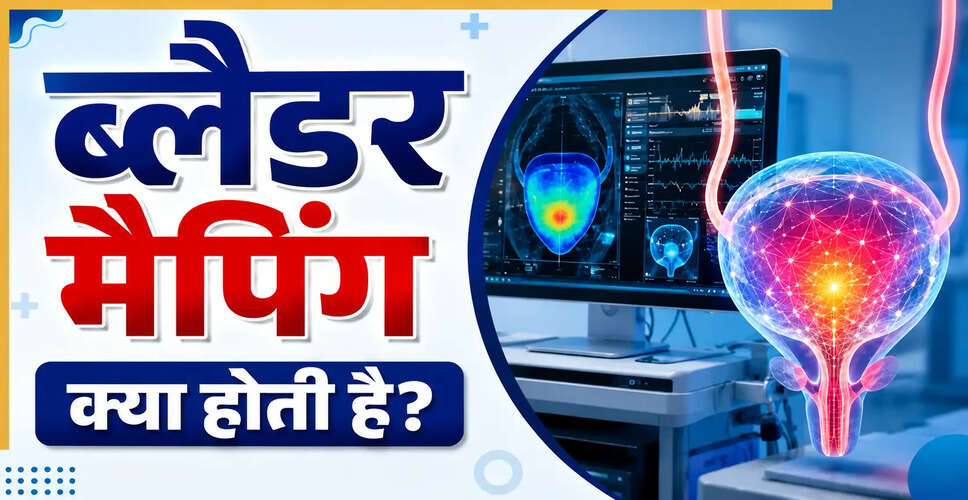
The newly established facility at Safdarjung Hospital integrates Video Urodynamics (VUDS) with Near Infrared Spectroscopy (NIRS) based brain mapping. This allows doctors to monitor how the brain's oxygen levels fluctuate during the bladder's filling and emptying phases.
How the Technology Works
Through Video Urodynamics, the bladder's functionality is evaluated, while NIRS-based brain mapping observes oxygen-related changes in the brain during bladder activity.
This dual approach aids doctors in determining whether a patient's issues stem primarily from the bladder, neurological causes, or a combination of both.
Who Can Benefit from This Facility?
This service is particularly beneficial for patients with complex urinary issues or those suspected of having neurological causes.
Health officials note that aging, spinal problems, and certain neurological conditions can impact normal bladder function. Understanding both bladder operations and associated neural activities can assist in treatment planning.
Anticipated Patient Impact
The Centre for Advanced Bladder Diagnostics at Safdarjung Hospital is expected to assist approximately 5,000 patients annually. Its goal is to provide enhanced diagnostic services for complex urological conditions.
With this new facility in a government hospital, patients requiring specialized evaluations due to intricate bladder or neurological issues will have access to advanced diagnostic options.
Additional Diagnostic Services Launched
Alongside the bladder diagnostics center, PET-CT and SPECT-CT services have also been inaugurated at Safdarjung Hospital. These services are part of the Nuclear Medicine department.
PET-CT is utilized for cancer detection, assessing disease status, treatment planning, and follow-up, while SPECT-CT aids in diagnosing various conditions related to the heart, kidneys, endocrine system, bones, and digestive tract.
Benefits for Patients
The primary advantage of this new technology is that it provides doctors with more comprehensive information to understand bladder issues. This is especially useful in cases where standard tests do not clearly identify the problem.
However, like any diagnostic tool, its application will depend on the patient's condition and the physician's recommendations, as not every urinary issue necessitates advanced testing.
Is This a Cure for All Bladder Diseases?
No, Bladder Mapping is a diagnostic tool and not a treatment in itself. Its purpose is to assist doctors in better understanding the causes of bladder issues and functionality.
Based on the findings, specialists can then determine the appropriate further investigations or treatments for the patient.
Conclusion
The Centre for Advanced Bladder Diagnostics at Safdarjung Hospital represents a significant advancement in urology. By combining Video Urodynamics with NIRS-based brain mapping, doctors can gain a clearer understanding of the relationship between bladder function and neurological systems.
According to government sources, this innovative combination is being tested for the first time in India, with expectations of benefiting around 5,000 patients each year.