
New Bill Aims to Replace MGNREGA Amid Opposition Concerns
Introduction of the VB-G RAM G Bill
New Delhi, Dec 16: The Lok Sabha witnessed the introduction of the Viksit Bharat Guarantee for Rozgar and Ajeevika Mission (Gramin) (VB-G RAM G) Bill, 2025, which aims to replace the existing Mahatma Gandhi National Rural Employment Guarantee Act (MGNREGA). This move has sparked significant backlash from opposition parties, particularly regarding the omission of Gandhi's name from the new legislation.
Union Minister Shivraj Singh Chouhan, while presenting the bill, asserted that the government not only respects Gandhi but also adheres to his principles. He emphasized that the Modi administration has made greater strides in rural development compared to its predecessors.
Opposition members voiced their discontent during the bill's introduction, advocating for its referral to a parliamentary committee for further examination.
Among the dissenters was Congress leader Priyanka Gandhi Vadra, who criticized the government for its tendency to alter the names of established schemes.
Congress MP Shashi Tharoor also expressed his opposition to the VB-G RAM G Bill, referencing a popular Bollywood song to highlight his concerns about the government's actions. He described the bill as a "deeply regrettable and retrograde step" that undermines the welfare of vulnerable citizens.
Tharoor articulated his primary objection regarding the removal of Gandhi's name, labeling it as an attack on the foundational spirit of the program. He further questioned the financial implications of the proposed restructuring, warning that shifting 40% of the financial burden to state governments could jeopardize the program's viability.
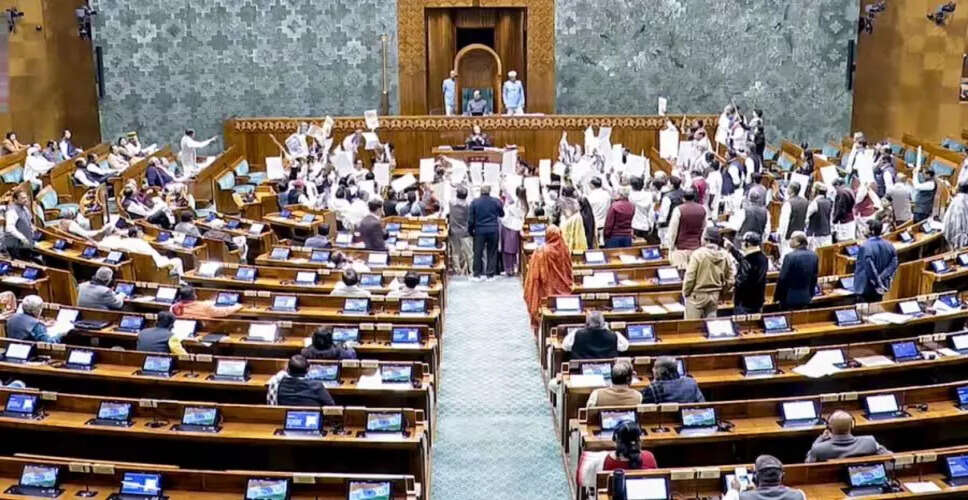
In a show of protest, opposition members gathered in the Well of the House, displaying images of Gandhi to express their disapproval of the name change.
The bill, as outlined, guarantees 125 days of wage employment annually for every rural household willing to engage in unskilled manual labor. States will be required to develop a scheme that aligns with the new law within six months of its enactment.
The Rural Development Ministry has stated that this legislation aims to create a modern statutory framework that supports the vision of "Viksit Bharat 2047," focusing on employment generation and sustainable rural infrastructure through key areas such as water security, core rural infrastructure, livelihood-related projects, and initiatives to address extreme weather challenges.