
New Bahá'í Temple Under Construction in Bihar Sharif: A Spiritual Landmark

Introduction to the Bahá'í Temple
In today's special feature, we explore the local Bahá'í temple being constructed on the sacred land of Buddha and Mahavira.
A Vision of Unity
“O people of the world, in the name of God, who is the God of all religions, build houses of worship on all lands. Make them as perfect as possible in the world of existence…” This vision of Bahá'u'lláh resonates in the construction of India's first local Bahá'í temple in Bihar Sharif.
A New Spiritual Hub
New Delhi. Following the 'Lotus Temple' in the capital, India is set to welcome another Bahá'í temple, with construction expected to be completed in the coming years. The Lotus Temple, one of the seven continental temples worldwide, opened its doors in 1986 and has since welcomed an average of 10,000 visitors daily from various faiths, nationalities, and backgrounds.
Community Response and Fundraising
In 2012, the Bahá'í World Centre announced the proposal for the local temple in Bihar Sharif during its Ridván message, sparking joy among the approximately 2 million Bahá'ís in India. As previously mentioned regarding the Lotus Temple, the funding for Bahá'í temples comes solely from the sacrificial donations of Bahá'ís, with non-Bahá'ís unable to contribute to the Bahá'í fund. Consequently, a dedicated 'Temple Fund' was established for Bihar Sharif, and contributions continue to flow.
Architectural Design and Community Impact
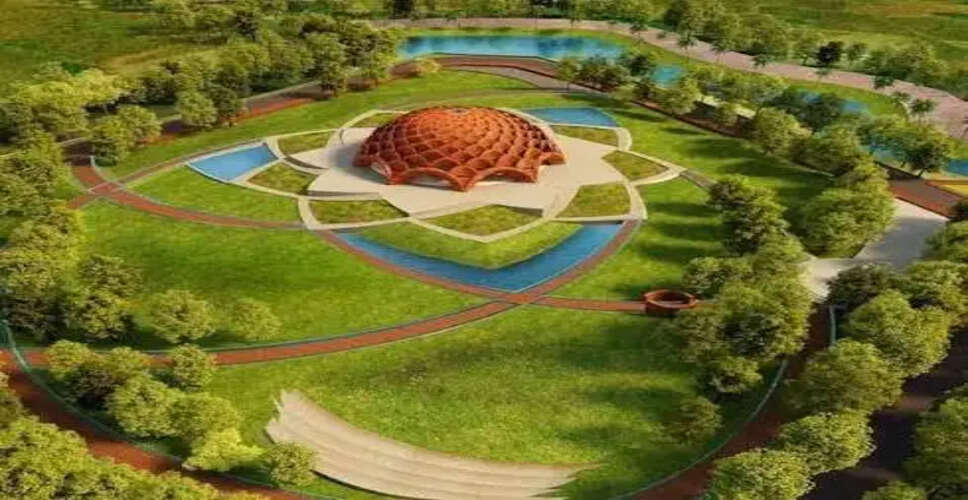
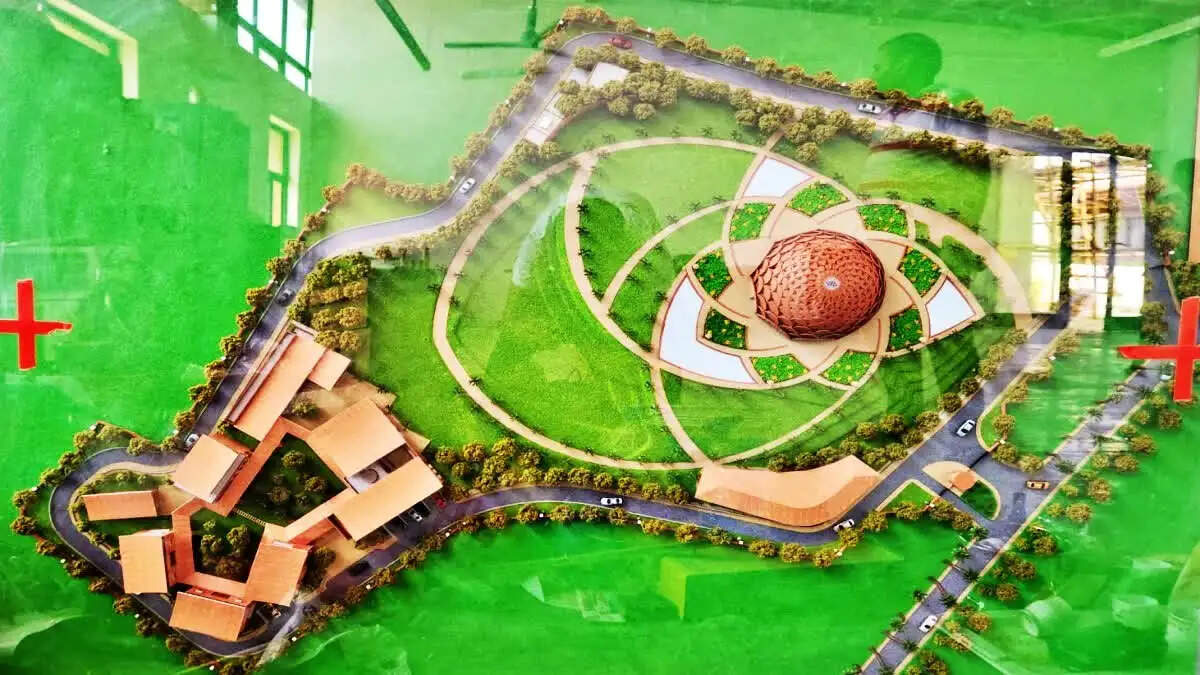
The temple is being constructed on a 7.5-acre site in Hargawan, with the design conceptualized by the renowned architectural firm 'SpaceMatters' in April 2020. The groundbreaking ceremony took place on February 21, 2021, attended by numerous Bahá'í friends, local residents, and prominent figures from social and political spheres. Unfortunately, the COVID-19 pandemic severely impacted construction efforts, yet the Bahá'í community remained active in serving those affected by the virus, distributing food and medicines, thus continuing the core Bahá'í principle of 'worship and service.'
Adhering to Bahá'í Principles
Bahá'í sacred texts provide clear guidelines for the construction of temples and buildings, and it is evident that the design by 'SpaceMatters' adheres to these principles. Bahá'u'lláh emphasized that these temples should be built 'with as much perfection as possible in the world of existence.' The texts also indicate that Bahá'í temples should reflect the natural environment, geography, culture, and traditions of their location.
Local Materials and Cultural Heritage
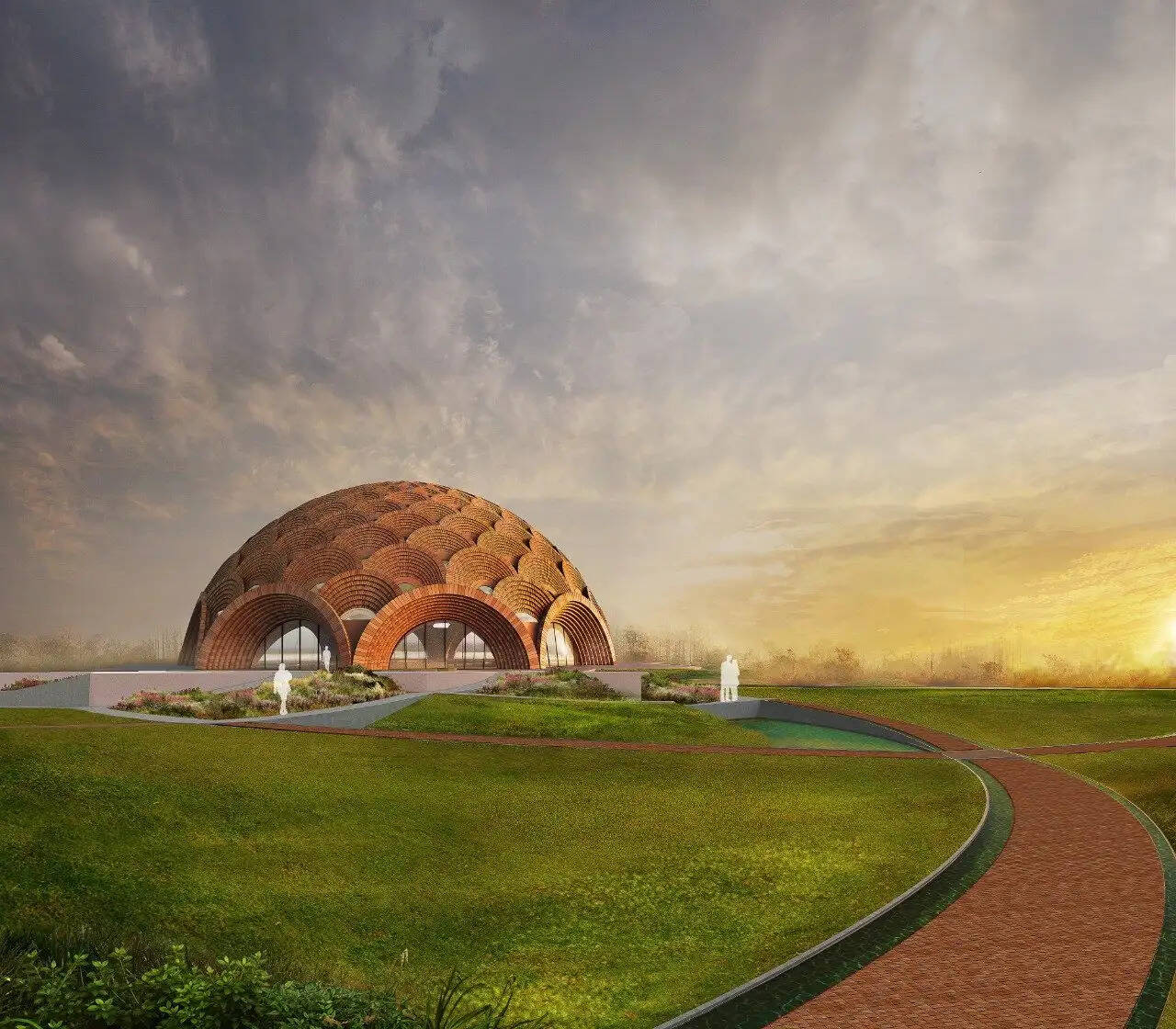
The Bihar Sharif Bahá'í temple is being constructed with careful consideration of these aspects. The use of local bricks holds unique significance in the architectural tradition of Nalanda district, as evidenced by the ruins of Nalanda University. The temple not only incorporates local bricks but also reflects the colors and characteristics of the local soil and climate. Additionally, the rich cultural heritage of Madhubani art is beautifully integrated into the temple's design.
Innovative Features of the Temple
One of the temple's most distinctive features is its natural lighting and cooling systems, minimizing reliance on machinery. The 16-meter high dome includes a special arrangement of openings, along with small water bodies and green spaces, employing modern eco-friendly technologies like 'geothermal heat sinks' to create a harmonious blend of light, beauty, local uniqueness, and comfort. This temple is emerging as a unique spiritual center on the sacred land of Nalanda, already blessed by the footsteps of avatars like Buddha and Mahavira.
Future Prospects for Hargawan

As construction continues, once completed, this temple will serve as a second 'place of worship for God' in India, akin to the Lotus Temple, where individuals from all religions and sects can come together to worship the one true God, transcending external differences. This vision will be realized solely through the sacrifices of millions of Bahá'ís.
Broader Community Initiatives
Hargawan is set to become a tourist hub: The establishment of this magnificent temple will transform Hargawan village into a significant tourist destination, attracting visitors from across the country and around the world. The Bahá'í community's goals extend beyond just temple construction; in the next phase, they plan to establish social institutions such as hospitals, schools, old age homes, and orphanages.
Understanding the Bahá'í Faith
Where does the Bahá'í Faith originate? The Bahá'í Faith is an independent world religion founded in the 19th century in Iran by Bahá'u'lláh. It emphasizes the fundamental unity of all religions, the oneness of humanity, and the unity of God. According to Bahá'í beliefs, God has guided humanity through various manifestations such as Abraham, Krishna, Buddha, Jesus, and Muhammad. The core message of this faith is that the entire Earth is one country, and all humanity are its citizens. Bahá'í teachings oppose divisive sentiments such as racism, gender discrimination, and nationalism, advocating for harmony between science and religion, gender equality, universal peace, and social justice.
Conclusion

Suniti Chandra Mishra
Writer and Journalist