
New Amendments to National Anti-Doping Act Target Trafficking of Prohibited Substances

Revised Anti-Doping Legislation
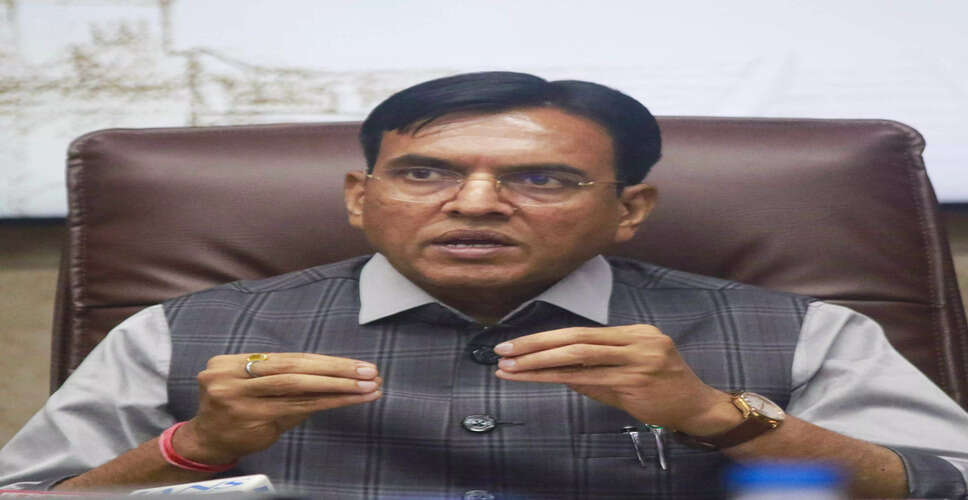
File image of Sports Minister Mansukh Mandaviya(Photo: @airnewsalerts/X)
New Delhi, May 21: The National Anti-Doping Act is set for further revisions aimed at criminalizing the trafficking and distribution of banned substances to athletes. This new legislation proposes a maximum prison sentence of five years for suppliers, including medical professionals who knowingly prescribe prohibited drugs.
The proposed changes have been made available on the Sports Ministry's website, inviting public feedback until June 18.
The amendment specifies that anyone who administers or applies banned substances to athletes will face imprisonment for up to five years, a fine of up to two lakh rupees, or both.
Sports Minister Mansukh Mandaviya announced that the revised bill will be presented in Parliament during the upcoming monsoon session, taking into account public feedback.
Mandaviya emphasized the need for robust awareness campaigns to combat doping, stating that criminalizing the organized supply of banned substances is essential.
He remarked, "Doping has transcended mere sports violations; it has become an organized system that exploits athletes. We currently penalize only the consumers, but suppliers must also be held accountable," during a press interaction.
According to Mandaviya, anyone with direct access to athletes who is implicated in the supply chain will face prosecution if these amendments are enacted.
The issue of criminalizing doping was a significant topic at the World Anti-Doping Agency's (WADA) Global Anti-Doping Intelligence and Investigations Network (GAIIN) Final Conference, where Mandaviya revealed the government's intention to introduce penal measures against doping.
This amendment echoes a similar proposal from 2018, which sought a four-year prison term and a two lakh rupee fine for organized crime syndicates involved in supplying banned substances to athletes.
However, those provisions were removed from the bill that was ultimately passed in 2022 and amended last year, as the government opted for a preventive approach rather than a punitive one.
The new amendments also aim to hold accountable those who prescribe banned drugs, meaning medical practitioners could face legal consequences if they are complicit in doping offenses.
The amendment states, "Anyone who traffics, sells, dispenses, or prescribes any prohibited substance or method for doping purposes shall be punishable with imprisonment for up to five years, or a fine of up to two lakh rupees, or both."
However, the law will exempt drugs prescribed for athletes with Therapeutic Use Exemption (TUE) for certified medical conditions and for doctors in emergency situations. In such cases, the burden of proof will lie with the athlete to demonstrate their innocence.