
Netanyahu Faces Growing Diplomatic Isolation Amid Criticism from Western Allies
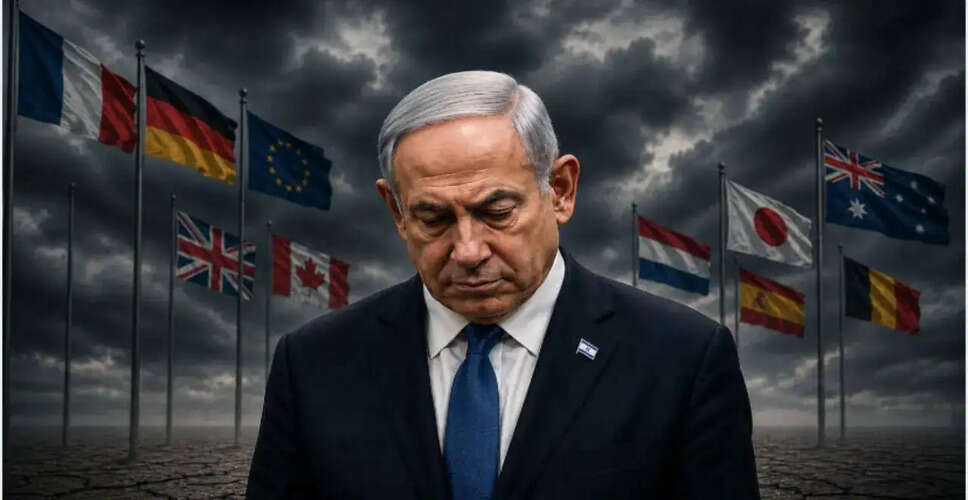

Strained Relations for Netanyahu
For an extended period, Benjamin Netanyahu has been recognized as a pivotal figure within the Western alliance, receiving robust support from Washington and maintaining close relationships with significant European capitals. However, this diplomatic support appears to be increasingly under strain. A recent tense conversation between US President Donald Trump and Netanyahu regarding Israel's actions in Lebanon has highlighted the growing discord between the two leaders. This comes as France, Germany, and other Western nations have intensified their criticism of Israel's actions in Gaza and the broader region. Consequently, a question that once seemed far-fetched is now emerging: Is Netanyahu becoming a global outcast?
France's Stance
France has been particularly vocal in its criticism, with President Emmanuel Macron repeatedly condemning Israel's military actions in Gaza over the past year. Macron has called for more robust international intervention to alleviate the humanitarian crisis, labeling Netanyahu's policies as "unacceptable" and "shameful." He has advocated for an immediate ceasefire and unrestricted humanitarian access. France's support for Palestinian statehood has further strained relations with Netanyahu's administration. Recently, France took significant steps by prohibiting Israeli officials from attending the 2026 Eurosatory defense exhibition in Paris and limiting the display of Israeli military equipment, citing concerns over Israel's military operations in Gaza and Lebanon.
Germany's Changing Tone
Germany, traditionally one of Israel's staunchest allies due to its historical ties, has also shifted its rhetoric. Chancellor Friedrich Merz has stated that the extent of civilian suffering in Gaza cannot be justified solely by the fight against Hamas. He emphasized that Israel must avoid actions that even its closest allies cannot accept. Merz reiterated Germany's responsibility to speak out against potential violations of international humanitarian law. Furthermore, Germany has indicated it will not approve military exports that could contravene humanitarian standards and has warned of unspecified actions if the humanitarian situation worsens.
Unified NATO Criticism
Several NATO allies have begun to align their criticisms of Netanyahu's government. In an uncommon joint statement, leaders from France, the UK, and Canada expressed their strong opposition to Israel's expanded military operations in Gaza, describing the humanitarian crisis as "intolerable." They called for increased aid access and warned of possible repercussions if Israel does not alter its course. This statement represents one of the most significant collective criticisms of Israel by major Western allies since the onset of the conflict.
Not a Complete Outcast, But Increasing Isolation
While labeling Netanyahu as a "global pariah" remains contentious, the United States continues to be Israel's primary ally, and Germany maintains strong strategic ties despite its criticisms. Many European nations still support Israel's security concerns and its actions against Hamas. However, the landscape has shifted, with traditional allies now more willing to publicly challenge Netanyahu's policies. France has enacted diplomatic restrictions, Germany has issued direct critiques, and Western leaders are increasingly coordinating their pressure on Israel regarding Gaza and military escalations in the region. For a leader who once enjoyed widespread Western support, Netanyahu now faces a more challenging and isolating diplomatic environment.