
Netanyahu Celebrates New Trilateral Agreement Amid Internal Dissent

New Framework Agreement Announced
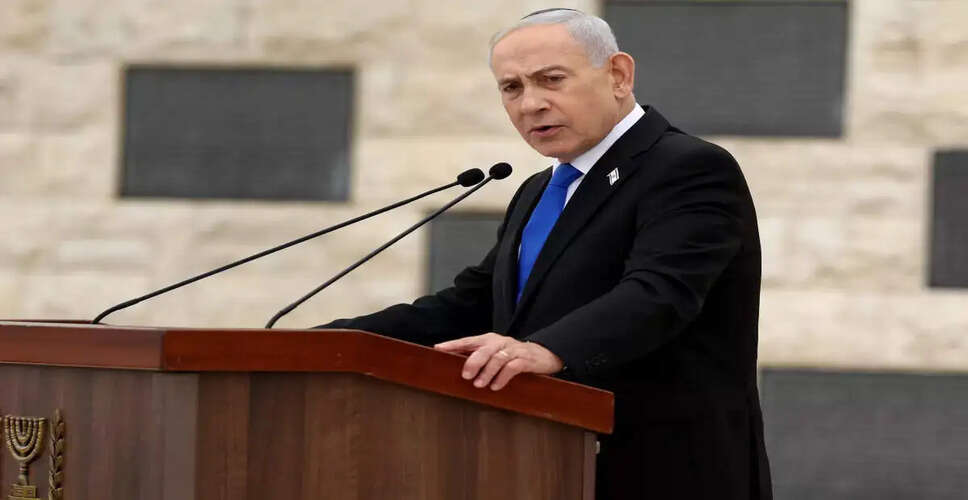
Israeli Prime Minister Benjamin Netanyahu is expressing optimism over a recently established framework agreement involving Israel, Lebanon, and the United States, which he describes as a pivotal moment for regional security. However, this sentiment is not universally shared within his administration. During a press conference on Saturday, Netanyahu characterized the trilateral agreement as a significant victory for Israel, stating, "This agreement fortifies both Israel and Lebanon while diminishing the influence of Iran and Hezbollah."
netanyahu
2070949904344592658
He further indicated that this agreement marks the onset of a broader transformation, asserting, "This is merely the beginning. We will persist in our efforts to ensure the safety of northern residents, just as we have successfully done in the south." Netanyahu credited both the Israeli military and the resilience of the northern populace for the advancements achieved thus far.
Israel's Military Stance Under the New Agreement
Israel Reserves the Right to Act on Threats
The Times of Israel reported that Netanyahu emphasized Israel's military autonomy under the new framework, asserting that the nation retains the right to respond to any threats posed to IDF soldiers in Lebanon, including emerging threats. "Our operational freedom allows us to neutralize any dangers to IDF personnel. This is a clear directive: if you perceive a threat, take action. Not only is it your right, but it is your duty to respond to immediate threats," he stated during his press conference conducted in Hebrew.
Defense Minister's Perspective
Defense Minister Calls Deal Historic
Defense Minister Israel Katz also commented on the agreement, labeling it historic and potentially transformative for the region. He noted that this deal could, for the first time in decades, create a new and safer reality along the northern border and in Lebanon. However, Katz clarified that Israeli forces would not be withdrawing entirely, confirming that the IDF would maintain its security zone, including the Beaufort Castle ridge area, and he instructed the military to prepare for a prolonged presence there. "The real test will be how the agreement is implemented, and we anticipate numerous challenges ahead," Katz remarked.
Internal Opposition to the Agreement
Not Everyone in Israel Is on Board
Despite Netanyahu's enthusiasm, the agreement has faced criticism from within his own government. National Security Minister Itamar Ben-Gvir publicly opposed the deal, labeling it "a major mistake." He has sought a cabinet vote on the matter, expressing his discontent on social media, where he described the agreement as a "historic error, a significant missed opportunity, and a lament for generations." Ben-Gvir argued that instead of pursuing a decisive victory over Hezbollah, Israel was inadvertently providing the group with a lifeline. He cautioned that this ceasefire could allow Hezbollah to regroup and strengthen its position.
Ongoing Violence Despite Agreement
Violence Continues Despite the Deal
Even as Israeli officials hailed the agreement, violence persisted on the ground. Reports indicate that Israeli airstrikes in Lebanon resulted in one fatality just a day after the agreement was finalized. Lebanon's state news agency reported that an Israeli drone targeted the southern town of Nabatieh al-Fawqa, with subsequent strikes injuring at least two others. The Israeli military stated that the drone strike was aimed at an individual deemed a threat to its forces.