
Nepal's Prime Minister Advocates for Diplomatic Resolution of Border Disputes with India
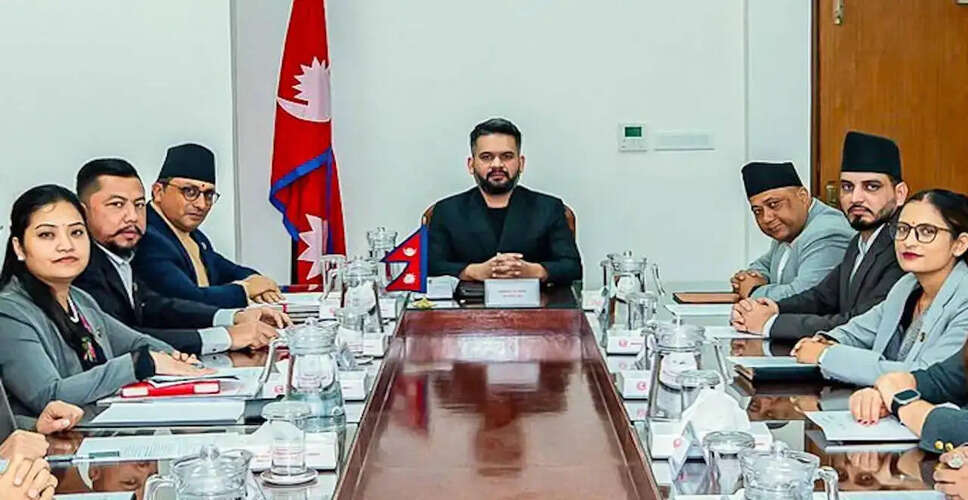

Prime Minister Balendra Shah's Address on Border Issues
In his inaugural address to parliament since taking office following the March elections, Prime Minister of Nepal, Balendra Shah, addressed the ongoing border disputes with India. He emphasized that these issues should be resolved through diplomatic discussions and negotiations. Shah's remarks came after India's recent affirmation of its willingness to engage in constructive dialogue with Nepal regarding all bilateral matters, including the resolution of outstanding boundary disputes.
India's Position on the Border Disputes
Responding to inquiries about border claims made by Nepal's Foreign Ministry in relation to the annual Kailash Manasarovar Yatra, Randeep Jaiswal, the Official Spokesperson for India's Ministry of External Affairs, reiterated India's longstanding stance. He stated, "The Lipulekh Pass has been a traditional route for the Kailash Manasarovar Yatra since 1954, and this practice has been ongoing for many years. This is not a recent development." Jaiswal further asserted that India's territorial claims are firmly grounded in historical facts and evidence, dismissing any unilateral claims as unjustified and untenable.
In 2020, India rejected the actions of the then Prime Minister KP Sharma Oli's government regarding Limpiyadhura, Lipulekh, and Kalapani, asserting that the revised map issued included parts of Indian territory. The Ministry of External Affairs emphasized that such unilateral actions contradict the mutual understanding to resolve boundary disputes through diplomatic means and would not be accepted by India.