
Nepal's Parliamentary Elections Kick Off: A New Era for Voters?
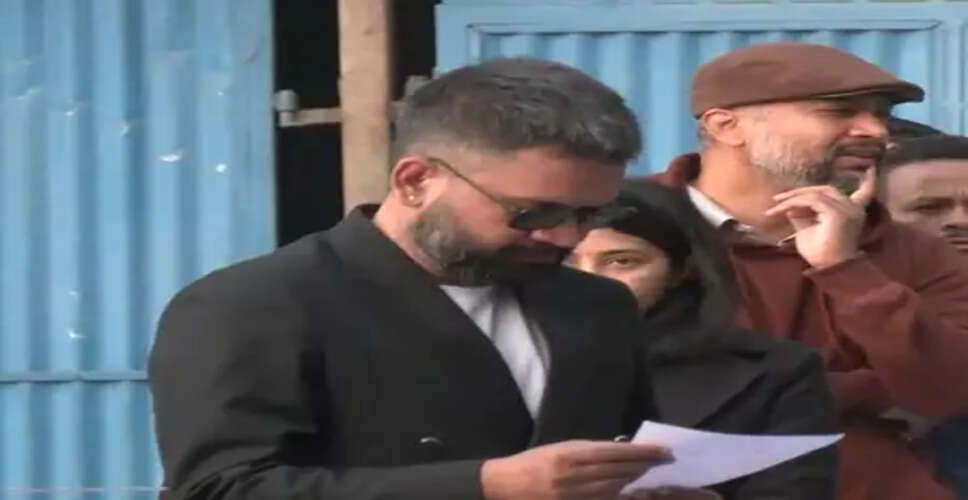
Voting Begins in Nepal
Kathmandu: The parliamentary elections in Nepal commenced at 7 a.m. on Thursday, with voters lining up at polling stations nationwide to make their voices heard.
These elections aim to fill 275 seats in the House of Representatives, with 165 members elected via the First-Past-the-Post (FPTP) method and 110 through proportional representation.
Prominent political figures, including Rabi Lamichhane, President of the Rastriya Swatantra Party (RSP), and senior leader Balen Shah, as well as former Prime Minister Pushpa Kamal Dahal, participated in the voting from their respective hometowns.
Lamichhane and Shah cast their votes in Kathmandu. Shah, who is running for prime minister from Jhapa-5 in eastern Nepal, faces off against former Prime Minister KP Sharma Oli but is unable to vote for himself due to regulations requiring voting in one's registered hometown.
After voting, Lamichhane expressed to the media that participating in elections is crucial for determining the leadership that the populace desires. He emphasized that this is a chance for citizens to influence their future and that of their children.
His party, which was the fourth-largest in the previous House of Representatives, is anticipated to perform better this time, reflecting public dissatisfaction with established political entities and the appeal of new faces.
Former Prime Minister Prachanda also voted in Bharatpur, Chitwan, where his daughter Renu Dahal is contesting for a House seat. Renu, a former mayor, is viewed as a strong candidate due to her successful development initiatives in the area.
Prachanda himself is running for a seat in Rukum East-1, a traditional stronghold for his party. He remarked that the debate between old and new political forces does not serve the public well; rather, the focus should be on the quality of the candidates and parties.
Kul Man Ghising, a well-known leader and president of the Ujyalo Nepal Party, also voted in Kathmandu. He is recognized for eliminating long-standing power shortages during his leadership at the Nepal Electricity Authority and has since established his own political party.
These elections are occurring nearly two years earlier than scheduled, prompted by the political upheaval following the Gen Z movement in September of last year, which led to the ousting of former Prime Minister Oli. This shift allowed for the formation of the current interim government under Sushila Karki.
Upon her appointment, the lower house was dissolved at the request of Gen Z leaders, who mandated that fresh elections be conducted within six months.
Over 18.90 million citizens are eligible to vote, including 915,119 newly registered voters. Notably, more than two-thirds of these new voters belong to the Gen Z demographic, indicating a significant increase in youth participation ahead of the 2026 elections, as reported by the Election Commission of Nepal.
Voting is taking place at 23,112 polling centers, with 3,406 candidates competing under the FPTP system and 3,135 candidates under the proportional representation system.