
Nepal's New Customs Policy Sparks Economic Tensions at the Border
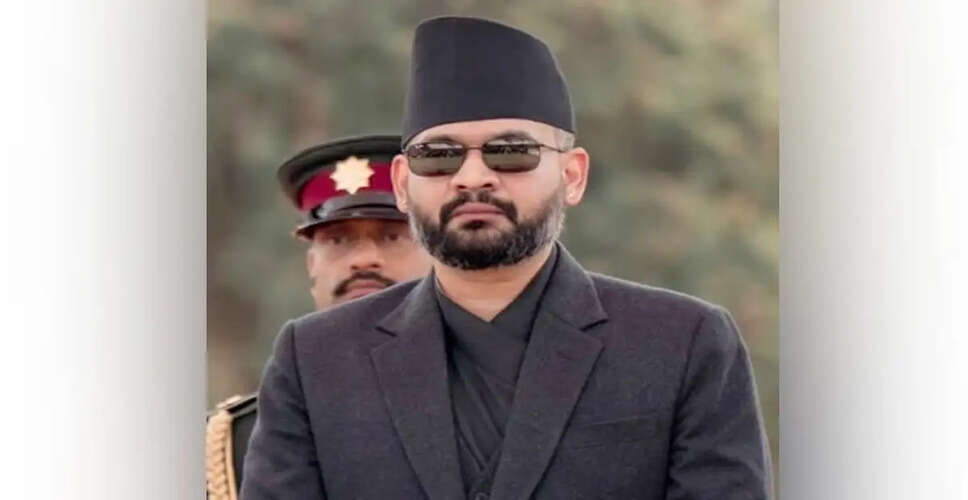

Impact of Nepal's Stricter Customs Regulations
A recent decision by Nepal's government has led to significant challenges in border areas. Under the leadership of Prime Minister Balendra Shah, a stringent customs duty system has disrupted the daily lives of those living along the India-Nepal open border. The harsh policy, imposing taxes ranging from five to eighty percent on goods exceeding one hundred Nepali rupees, has not only slowed down trade but also made life more expensive and difficult for ordinary citizens.
Economic Consequences of the New Policy
While the intention behind this decision may have been to increase revenue and curb illegal imports, its real-world effects resemble an economic blockade. Markets that once thrived with customers from Nepal are now eerily quiet. Retailers from Dharchula to Darjeeling are witnessing a rapid decline in sales, directly impacting daily wage earners, rickshaw drivers, and small business owners.
Cultural and Social Implications
For years, residents of Nepal's border districts have crossed into India to purchase essentials like food, medicine, clothing, and wedding supplies. This cross-border shopping has been a vital part of both trade and cultural relationships. However, the new regulations have turned every purchase into a financial burden, as crossing the one hundred rupee threshold now imposes a heavy tax, leading many to either buy less or avoid shopping altogether.
Public Outcry and Political Reactions
The public's frustration is palpable, particularly regarding the harshness of these rules. While air travel allows for some leniency on personal items, those living near the land border face no such relief. This discrepancy has led many to view the policy as anti-people. The Nepalese government argues that local businesses were suffering due to shopping in Indian markets, resulting in revenue losses. However, opposition parties have labeled this decision as insensitive and have called for its immediate reversal, with even voices within the ruling party questioning its practicality.
Current Situation at the Border
Reports indicate that conditions at the border have escalated to the point where security forces are announcing over loudspeakers that no exemptions will be granted. Whether a common citizen, government employee, or affiliated individual, everyone is required to pay the tax. This strict enforcement is further inflaming public anger. Traders in Banbasa, Uttarakhand, report that their business has halved in just a few days. Previously, goods worth millions were transported to Nepal daily, but that flow has drastically decreased. Similar situations are observed in Dharchula and Tanakpur, where customers are now opting for smaller purchases or returning empty-handed due to warnings.
Wider Economic Impact
Major border markets in Uttar Pradesh and Bihar, such as Sonauli, Rupaidih, Jogbani, and Raxaul, are also feeling the effects. The expected bustle during wedding season is absent, leaving traders disheartened. Crowds have vanished from small towns and local markets as people seek to avoid long lines, inspections, and additional fees. Local shopkeepers argue that the one hundred rupee limit is laughable in today's inflationary climate, as even a kilogram of good tea or a few packets of biscuits can exceed this threshold, forcing people to endure long waits, which has become a tiring and humiliating experience.
Political Ramifications
On the political front, this issue has become explosive, with some leaders in Nepal labeling it an undeclared blockade. They warn that if the decision is not rescinded, widespread protests will erupt throughout the border region. This controversy is evolving into a test of both economic stability and the historical and cultural ties between the two nations.
Conclusion
It is evident that this policy has generated significant discontent on the ground. If the Nepalese government does not reassess this decision promptly, the repercussions may extend beyond economic concerns, potentially leading to heightened political and social tensions.