
Nepal's Gen Z Protests Report Submitted: What Lies Ahead for the Government?
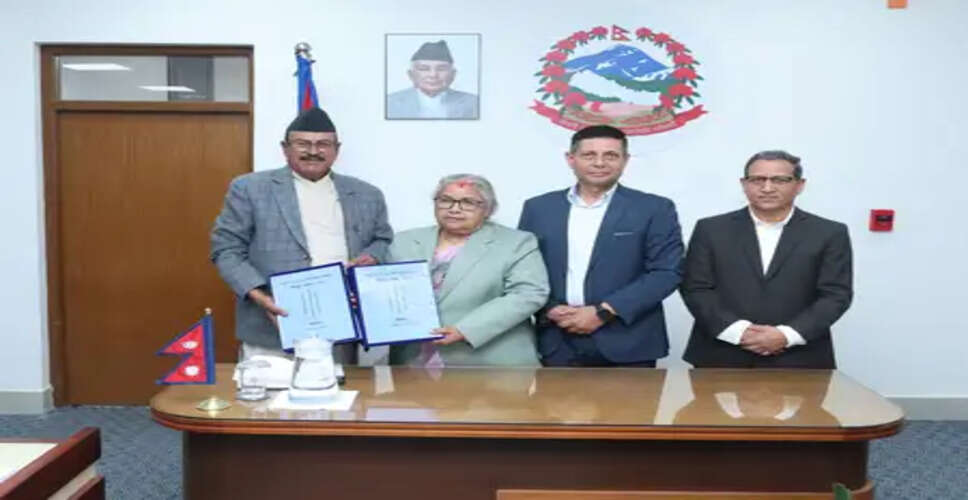
Submission of the Report on Gen Z Protests
Kathmandu: The investigative panel in Nepal, looking into the Gen Z protests from September that resulted in over 70 fatalities and the downfall of K. P. Sharma Oli's administration, has finally delivered its findings to interim Prime Minister Sushila Karki on Sunday.
Initially, there was hesitation within some factions of the current government regarding the acceptance of the extensive 1,000-page report, which was compiled by a three-member committee led by retired Supreme Court judge Gauri Bahadur Karki.
Previous reports indicated that the government might prefer to keep the findings under wraps until after the elections scheduled for March 5.
According to The Kathmandu Post, the commission's findings and recommendations are deemed vital. Leaders from established political parties have cautioned that releasing the report prior to the elections, especially if it implicates candidates, could sway the electoral process. The Election Commission, which is already overseeing the election code of conduct, has the power to advise the government on this issue.
The commission was established on September 21, with an initial three-month deadline that was later extended by an additional 20 days. A report from early February cited unnamed ministers suggesting that the government was not keen on receiving the report before the elections.
Despite pressure from human rights advocates and Gen Z activists, the interim government, following the Election Commission's guidance, opted to accept the report only after the elections concluded. Concerns were raised about influential figures being named in the report, which could potentially disrupt the electoral process.
The commission reportedly interviewed around 200 individuals and consulted various experts before finalizing its recommendations for actions against those found culpable. The collection of statements was completed by the first week of February and included prominent political figures such as former Nepali Congress president Sher Bahadur Deuba and Nepali Communist Party leader Pushpa Kamal Dahal (Prachanda), among others.
Additionally, members of security forces, including the former and current inspectors general of Nepal Police, the head of the Armed Police Force, and the Chief of Army Staff, were also interviewed.
The commission's mandate involved investigating the losses incurred during the protests on September 8 and 9, examining the causes, gathering and analyzing related information or petitions, and proposing measures to prevent similar incidents in the future, along with a clear action plan for implementing these suggestions.
This mandate was later broadened following a 10-point agreement between Gen Z representatives and the government on November 30.
Before taking on the role of panel chairman, Gauri Bahadur Karki had already stirred controversy by publicly stating that those responsible for suppressing the Gen Z movement should be held accountable and investigated.
Concerns have been raised about Karki's ability to act impartially, given his pre-commission opinions. A former administrator in Kathmandu warned that the report's release could lead to backlash against individuals deemed responsible for the violence, particularly those involved in police actions that resulted in the deaths of 17 individuals, including a schoolboy. Karki is known for his assertive approach and is unlikely to shy away from naming names.