
Nepal's Former Leaders Arrested Amid Protest Crackdown Investigation
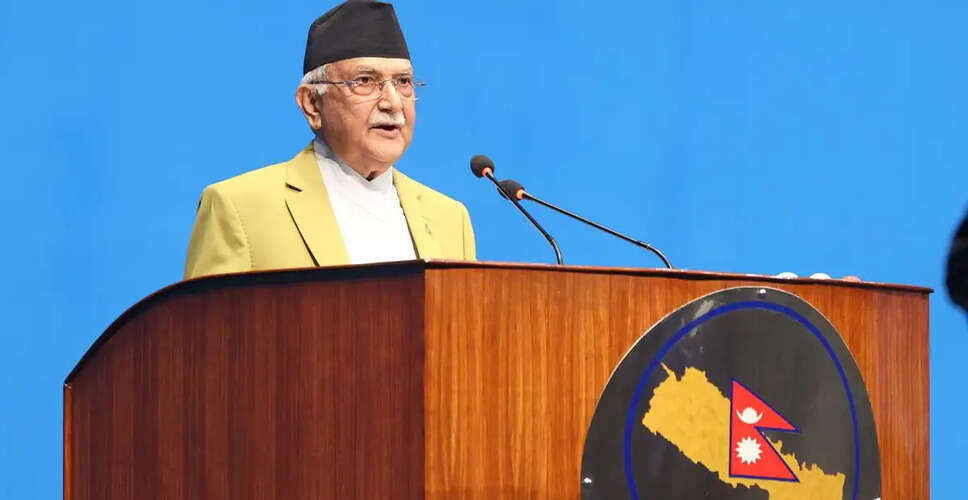
Arrests of Former Officials in Nepal
On Saturday morning, Nepalese authorities detained former Prime Minister KP Sharma Oli and ex-Home Minister Ramesh Lekhak. This action occurred just a day after Balendra Shah, the former mayor of Kathmandu, was sworn in as the new prime minister.
The arrests are linked to allegations of suppressing youth-led protests that took place in September. Notably, Oli had stepped down from his position as prime minister during these protests on September 9.
According to police reports, the arrests were made based on recommendations from a commission led by former Supreme Court judge Gauri Bahadur Karki. This commission suggested that both the former prime minister and home minister, along with the then Inspector General of Police Chandra Kuber Khapung, face charges of criminal negligence, which could result in a prison sentence of up to ten years.
The commission's findings indicated that the violent response to the protests stemmed from negligence and a lack of action on intelligence regarding potential escalations, which ultimately resulted in numerous fatalities.
During the protests, at least 72 individuals lost their lives, and both government and private properties suffered damages amounting to billions.
The unrest was ignited by the government's decision to ban 26 social media platforms on September 4. Although the ban was lifted on September 8, the protests had already transformed into a larger movement against perceived corruption and mismanagement.
These demonstrations were primarily driven by younger generations, often referred to as 'Gen Z', which includes individuals born from the late 1990s to 2010.