
Nepal's Elections: PM Modi Celebrates Democratic Milestone as RSP Leader Triumphs
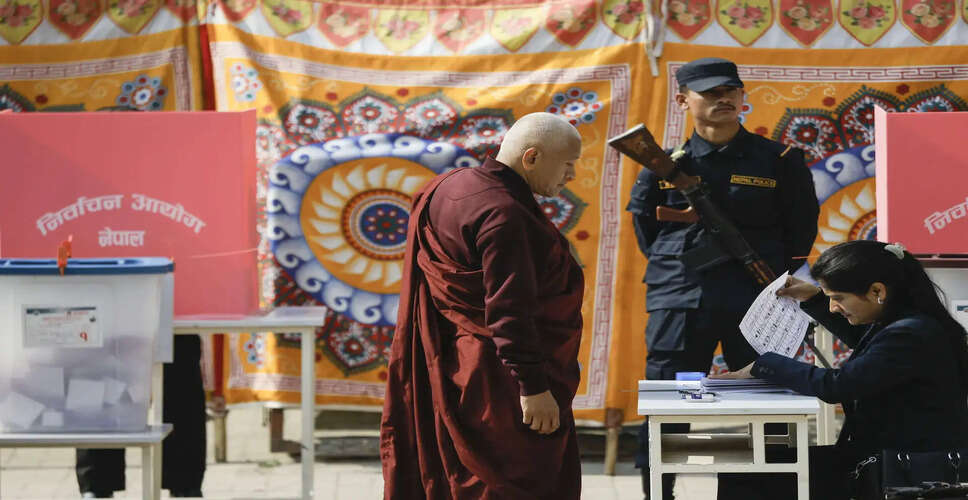
Celebrating Nepal's Democratic Progress
On Saturday, Prime Minister Narendra Modi extended his congratulations to the citizens and government of Nepal for successfully conducting their elections, marking a significant achievement in the nation's democratic evolution. He expressed India's dedication to collaborating with Nepal's new administration to enhance cooperation and foster mutual peace, progress, and prosperity. "I warmly congratulate the people and government of Nepal on the successful and peaceful conduct of elections. It is heartening to see my Nepali sisters and brothers exercise their democratic rights so vibrantly. This historic milestone is a proud moment in Nepal's democratic journey," Modi shared on X.
In a notable electoral upset, RSP leader and rapper-turned-politician Balendra Shah, known as 'Balen', won decisively against four-time prime minister K P Sharma Oli by approximately 50,000 votes in the Jhapa-5 constituency, according to the Election Commission. The Rashtriya Swatantrata Party (RSP) leader, who previously served as the Mayor of Kathmandu, is positioned as his party's candidate for Prime Minister. As of 6 PM, the RSP had secured 62 out of 78 declared seats and was leading in 60 others.
Balen, aged 35, garnered 68,348 votes, while the 74-year-old Oli received only 18,734 votes, as reported by the Election Commission. The Communist Party of Nepal (Unified Marxist–Leninist), or CPN-UML, had nominated Oli as their Prime Ministerial candidate. The elections, held on Thursday, were the first since the Gen Z protests last year, which called for a generational shift in politics and a corruption-free governance in Nepal.
Shah, who has branded himself as the “son of Madhesh,” initiated his campaign in Janakpur, located in the Madhesh province. Additionally, Lamichhane, the party’s chairman and former home minister, won the Chitwan-2 constituency with 54,402 votes, defeating Nepali Congress candidate Mina Kumari Kharel, who received 14,564 votes.
Vote counting is still ongoing in Nepal. According to the electoral framework, 165 lawmakers are elected through direct voting, while 110 seats are filled via a proportional representation system. Approximately 18.9 million voters were eligible to participate in the elections for the 275 members of the House of Representatives, with a reported turnout of around 60%. This election follows the Gen Z protests from last year, which resulted in the collapse of the coalition government led by Oli, amid calls for anti-corruption reforms, improved governance, and a generational shift in political leadership.