
Nepal's Elections: A Crucial Vote Amidst Political Turmoil
Nepal Heads to the Polls
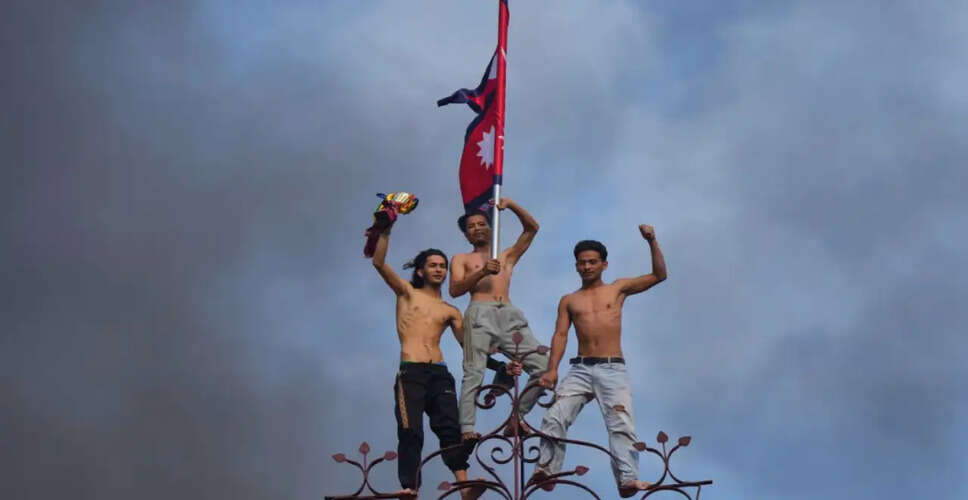
After nearly six months of youth-led protests that led to the resignation of Prime Minister K. P. Sharma Oli, Nepal is set to hold elections on Thursday. Voters will select 275 representatives for the House of Representatives, the lower house of the federal parliament. Out of these seats, 165 will be filled using the first-past-the-post (FPTP) method, while the remaining 110 will be allocated through proportional representation. These elections come in the wake of the Gen Z uprising on September 8-9, which resulted in 77 fatalities and is seen as a critical test for Oli and the political framework he once oversaw. Following the protests, the interim government led by Prime Minister Sushila Karki has worked to restore political order and announced new elections. Acting Chief Election Commissioner Ram Prasad Bhandari has urged citizens to engage in this democratic process without fear, assuring that all preparations for the elections are in place. Voting is scheduled nationwide from 7 a.m. to 5 p.m. on Thursday, as per the Election Commission. A total of 3,406 candidates are competing under the FPTP system, while 3,135 are running under the proportional representation model. The Commission reports that over 18.9 million registered voters are eligible to participate, with 9.66 million male voters and 9.24 million female voters.
Candidates and Political Landscape
Who is Leading the Race?
Oli, representing the moderate Communist Party of Nepal (Unified Marxist-Leninist, UML), is once again contesting alongside more than 3,400 candidates from 65 different parties. Notable contenders include Gagan Thapa, the leader of the historic Nepali Congress, and members of the Nepali Communist Party (NCP), which includes former Maoist insurgents who have transitioned into mainstream politics. These parties have been influential in Nepali politics for the past three decades, despite the country experiencing 32 government changes in the last 35 years. However, the standout candidate in this election is the Rastriya Swatantra Party (RSP), which is relatively new and has nominated the popular rapper-turned-politician Balendra Shah as its prime ministerial candidate. The 35-year-old former mayor of Kathmandu is attracting significant attention, especially from younger voters eager for change, as he challenges Oli, who is 74, in his own territory near the Indian border. The election campaign has been heavily focused on promises of job creation, tackling corruption, and enhancing governance—issues that were central to the protests in September. The official campaign period concluded on Monday, leading into a two-day cooling-off phase.