
Nepal's Economic Growth Shows Signs of Struggle Amid Challenges
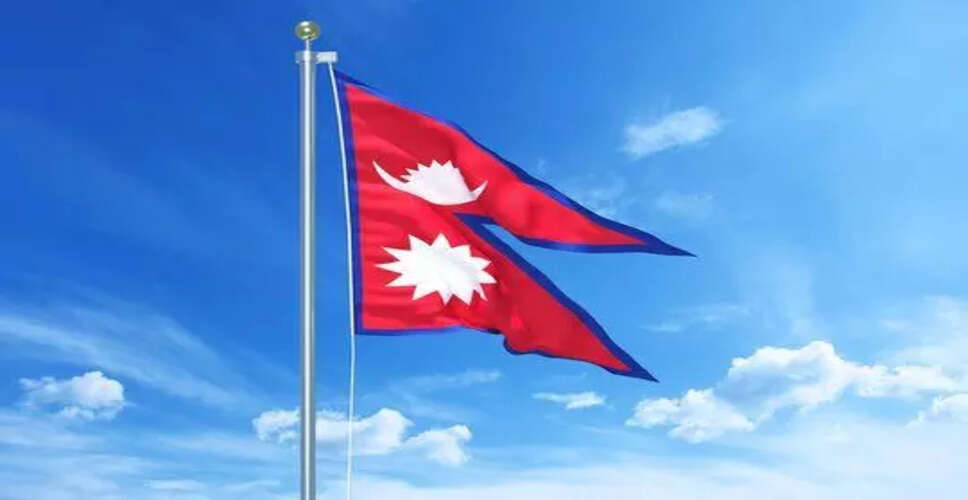

Economic Growth in Nepal
Photo: @mst3ktwt/X
Kathmandu, July 6: Nepal's economy is projected to have grown by 3.51% in the third quarter of the fiscal year 2025-26, as the nation continues to face challenges in recovering from a prolonged period of sluggish growth.
This growth rate is lower than the 4.05% recorded in the same quarter of the previous fiscal year 2024-25, according to a statement from Nepal's National Statistics Office (NSO). The current fiscal year concludes in mid-July.
Since the onset of the Covid-19 pandemic, Nepal has struggled with economic recovery, failing to achieve a V-shaped rebound amid ongoing political instability. Prior to the pandemic, the country had been experiencing strong economic growth, bolstered by reconstruction efforts following the earthquake.
The NSO's preliminary estimates indicate that 16 out of 18 economic sectors are expected to show positive growth during this period, with public administration, defense, and manufacturing being the only sectors anticipated to experience negative growth.
Once again, the manufacturing sector has fallen into negative growth in the third quarter, despite showing signs of recovery in the previous fiscal year after two consecutive years of decline.
Hem Raj Regmi, Deputy Chief Statistician at the NSO, stated, "Nepal's manufacturing sector has long underperformed, and it is crucial to address the obstacles hindering its growth." He noted that the US-Iran conflict has also impacted the manufacturing sector, particularly industries like plastics and pipes, while the construction materials sector has suffered due to rising oil prices, which have increased transportation costs and slowed construction activities in Nepal.
During the first half of the fiscal year 2025-26, Nepal's manufacturing industries operated at just 42.11% of their installed capacity, as reported by the central bank's study.
The public administration and defense sector's growth was also hampered, as government efforts were primarily focused on the parliamentary elections held on March 5, according to Regmi.
The NSO attributes the projected growth in the third quarter to increased electricity generation and distribution, enhanced deposit mobilization and credit disbursement, higher non-life insurance premium collections, and growth in the wholesale and retail trade sector.
However, the overall growth rate remained moderate due to a decrease in imports of construction materials, lower paddy production, and reduced domestic output of certain commodities compared to the same quarter last year, the NSO stated.
Among all sectors, electricity and gas recorded the highest growth rate at 24.88%, followed by financial and insurance activities at 10.27%, and transportation and storage at 7.83%. The agriculture sector, which is the largest contributor to Nepal's economy, is estimated to have grown by 1.58%, down from 2.84% in the same quarter of the previous fiscal year.
During this review period, Nepal saw a decline in paddy production, the main contributor to agricultural output. However, modest growth in livestock, poultry, vegetables, fruits, and forestry products helped support the overall gross value added of the sector.
Similarly, the wholesale and retail trade sector, the second-largest contributor to the economy, is estimated to have expanded by 5.25%, primarily due to increased domestic production and imports of tradable goods.