
Nepal Faces New Flood Risks as Heavy Rains Challenge Recovery Efforts
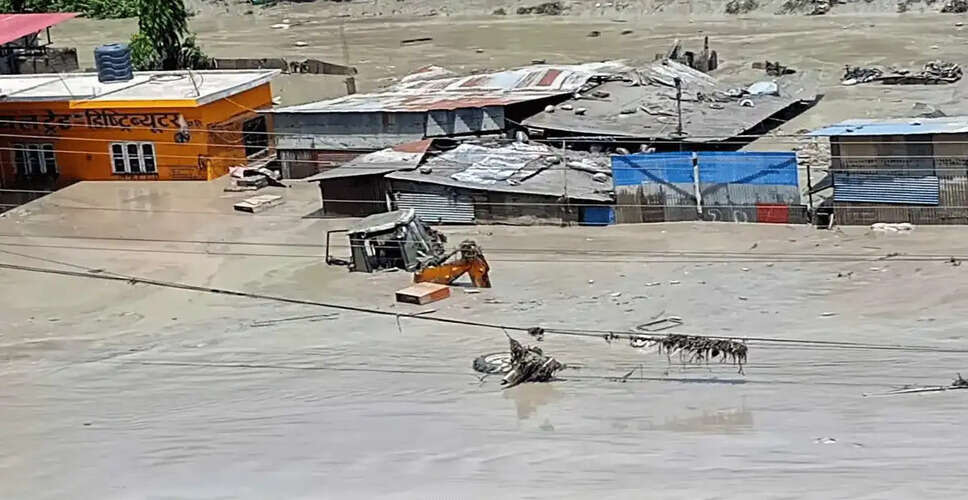

Severe Weather Complicates Recovery in Nepal
In Kathmandu, the recent heavy rains have created new challenges for recovery efforts in regions affected by the devastating Bhotekoshi floods on August 26. Authorities are now warning of increased risks of landslides, flooding, and debris flows.
The Department of Hydrology and Meteorology in Nepal has predicted heavy to very heavy rainfall across various regions from Friday to Sunday, with particularly intense rain expected in the Gandaki and Lumbini provinces.
The National Disaster Risk Reduction and Management Authority is actively monitoring river levels and potential disaster risks in collaboration with weather and flood forecasting agencies.
The flash floods that struck near the Nepal-Tibet border on August 26 caused widespread destruction in northern and central Nepal. The Bhotekoshi River, which flows southward from the Himalayan border, carried floodwaters that devastated homes, vehicles, roads, and bridges, severely impacting hydropower projects.
This disaster resulted in over 1,450 fatalities, with approximately 5,600 individuals still unaccounted for.
While the current rainfall does not replicate the August floods, experts have cautioned about new hazards, including landslides and further flooding, which could disrupt already damaged infrastructure.
The risk is particularly acute in areas where roads and riverbanks suffered damage during the previous disaster.
The ongoing rainfall has already triggered new landslides in at least two districts severely impacted by the August floods.
In Dhading, landslides have blocked the Prithvi Highway at seven locations, completely obstructing the road at Krishnabhir and Tigraang Khola, as reported by police.
Traffic is limited to one lane at five other sites, and ongoing rainfall coupled with repeated landslides has hindered debris clearance efforts.
The Prithvi Highway had only recently reopened after being closed for 18 days due to the August floods, with a new track established on September 17 to restore connectivity.
In the neighboring district of Chitwan, landslides have also led to the closure of the Prithvi Highway and the Narayangadh-Muglin road, as persistent rainfall raises the risk of further incidents, according to local media.
In response to the latest weather developments, authorities have implemented travel restrictions on major highways and taken additional precautionary measures.
Prime Minister Balendra Shah has urged citizens to remain vigilant, avoid unnecessary travel, and steer clear of vulnerable areas near rivers and streams during this period of heavy rainfall.